Why Text Accuracy in AI Images Is No Longer a Compromise With Nano Banana

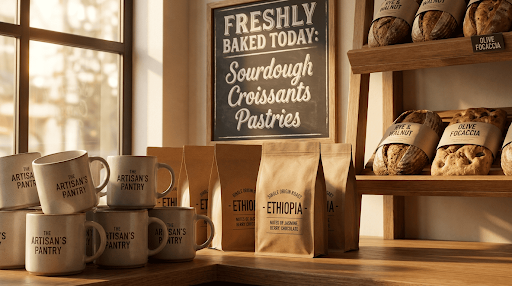
For years, the world of AI image generation has been plagued by a persistent and frustrating limitation. You craft the perfect prompt for a neon storefront or a professional infographic, only to receive a visual masterpiece marred by nonsensical gibberish. This “alphabet soup” effect occurs because most AI models do not actually understand language. They simply attempt to replicate the visual patterns of letters.
This compromise has forced designers and marketers into a tedious cycle of post-production. You generate an image in one tool and then spend hours in Photoshop manually fixing the typography. This workflow is inefficient and fundamentally limits the speed of creative iteration.
However, a new generation of reasoning-led engines is changing the narrative. By integrating advanced logical processing into the creative workflow, the industry is moving toward a future where “intent” is finally understood. Using the nano banana suite, creators can now achieve a level of typographic precision that was previously considered impossible for generative models.
The Technical Bottleneck of Traditional Diffusion
To understand why text has been so difficult for AI, we must look at how traditional diffusion models function. Most models treat text as just another texture, similar to the bark on a tree or the ripples in a pond. They do not possess a conceptual understanding of spelling, grammar, or the spatial logic required for legible typesetting.
When a standard model encounters a prompt for a sign that says “OPEN,” it tries to predict which pixels should be white and which should be black based on its training data. Because it lacks a reasoning layer, it often blends characters together or skips letters entirely. This results in the infamous “AI artifacts” that have become the hallmark of low-quality generations.
The move toward better text accuracy requires a fundamental shift in architecture. Instead of just predicting pixels, the next generation of tools uses reasoning engines to plan the image before a single pixel is drawn. This allows the system to “think” about the characters and their placement relative to the lighting and physics of the scene.
How Higgsfield Is Redefining the Creative Standard
The limitations of early AI models are being addressed by higgsfield, a professional studio platform that unifies top-tier AI models. By focusing on “intelligent precision,” the platform moves beyond simple image-to-text mapping. It leverages a Reasoning Image Engine that understands the logic behind a prompt.
When a user requests a complex UI mockup or a cinematic shot with specific signage, the system analyzes the spatial requirements of the text. It treats the text as a core element of the environment rather than an afterthought. This is why nano banana has become the primary choice for professionals who cannot afford to compromise on accuracy.
The higgsfield ecosystem is built for high-stakes professional work. It provides a “Studio in the Cloud” where creators can access specialized models tailored to different needs. Whether you are building a consistent character for a graphic novel or designing high-resolution marketing assets, the platform ensures that your intent is translated perfectly into the final visual.
The Power of Reasoning in Typography
The secret behind the success of nano banana lies in its underlying engine, specifically Google’s Gemini Flash. This engine provides the logical backbone necessary for the model to follow complex instructions. The model is optimized for speed and efficiency while maintaining high levels of reasoning capability across different modalities.
This reasoning capability allows the AI to perform several critical tasks:
- Character Mapping: It identifies each specific letter requested in the prompt.
- Spatial Logic: It determines where the text should sit within a 3D environment, accounting for perspective and depth.
- Physics-Accurate Lighting: It ensures that shadows and reflections interact with the text naturally.
- Prompt Adherence: It follows long, descriptive instructions without losing track of the core message.
When you use nano banana to generate a vintage poster, the model doesn’t just guess what the letters look like. It reasons through the layout to ensure the typography fits the aesthetic while remaining perfectly legible. This eliminates the need for constant “re-rolling” of prompts in hopes of getting a lucky, readable result.
Nano Banana Pro vs. Nano Banana 2
Professional workflows often require a balance between artisanal quality and high-speed iteration. To address this, the platform offers a dual-model approach that caters to different stages of the creative process.
- Nano Banana Pro: This is the flagship model for studio-grade results. It is designed for high-resolution masterpieces where every pixel matters. It excels at complex textures, photorealistic 4K visuals, and intricate typography that needs to stand up to close inspection.
- Nano Banana 2: This model is built for lightning-fast generation at scale. It is the ideal tool for rapid prototyping and high-speed rendering. Marketing agencies use nano banana 2 to iterate on dozens of concepts in minutes, allowing them to find the right direction before moving to a final high-res polish.
By offering both models, higgsfield ensures that creators have the right tool for every stage of their project. You can use the high-speed engine to nail down the layout and then switch to the Pro version for the final, production-ready asset.
Actionable Strategies for Perfect AI Typography
Even with a powerful engine like nano banana, the way you structure your prompts can significantly impact the final result. To get the most out of your professional design workflow, consider these strategies:
- Use Quotation Marks: Always place the specific text you want to appear in quotes. This signals to the reasoning engine that the string of characters is a literal instruction.
- Define the Medium: Specify if the text should be neon, engraved, painted, or digital. This helps the physics engine calculate how light should interact with the letters.
- Mention Layout Logic: Phrases like “centered on the storefront” or “written in a clean sans-serif font” give the model clear parameters for spatial placement.
- Leverage Character Persistence: If your text is part of a recurring brand or story, use the platform’s character consistency features to ensure the style remains the same across multiple generations.
By treating the AI as a collaborator rather than a magic box, you can achieve results that are ready for immediate use in professional portfolios or client presentations. The nano banana models are specifically tuned to respond to these nuanced instructions.
From Creative Toy to Enterprise Tool
The shift toward text accuracy marks the transition of AI image generation from a creative toy to a robust enterprise tool. For marketing departments and design agencies, the ability to generate accurate UI mockups and infographics is a game changer. It allows for the rapid creation of “physics-accurate” environments that look like high-budget photography.
The higgsfield platform supports this transition by offering a seamless path from image generation to video conversion. Once a professional-grade image is created with perfect text and lighting, it can be animated while maintaining the same level of precision. This unified workflow is what distinguishes a “Studio in the Cloud” from a simple generation gallery.
Professionals are no longer looking for “cool” images; they are looking for “correct” images. They need character models that don’t change between frames and text that doesn’t melt into the background. This is the standard that higgsfield sets for the industry.
A New Era of AI Design
The days of compromising on text quality are over. With the integration of reasoning-led engines, the “AI artifacts” that once plagued the medium are becoming a thing of the past. Using nano banana, creators can finally trust that their vision will be translated with the “intelligent precision” that modern design demands.
Whether you are an independent artist working on a graphic novel or a lead designer at a global agency, the tools you use should empower your creativity rather than hinder it. By moving away from simple pixel prediction and embracing a model that understands intent, we are entering a new era of digital art creation.
The combination of higgsfield and its specialized models like nano banana provides a foundation for any creative project. It offers the speed, resolution, and accuracy required to compete in a fast-paced digital landscape. Stop settling for gibberish and start demanding the precision your work deserves.