Pyntekvister: The Natural Decor Trend That Brings Warmth, Texture, and Nordic Charm to Any Home

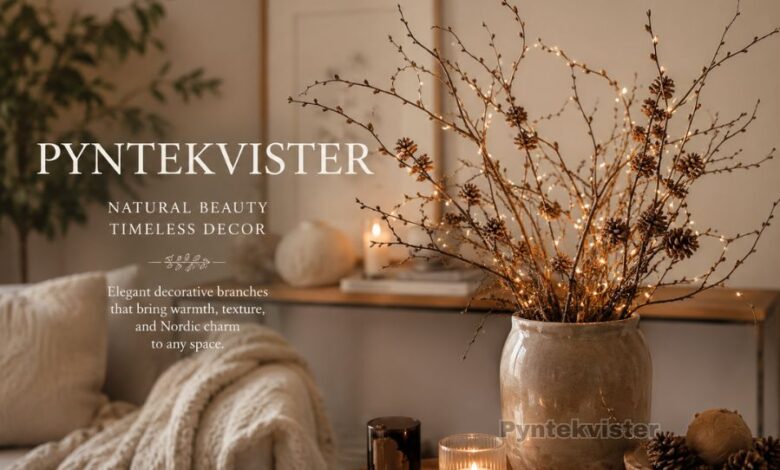
The beauty of a well-decorated home often lies in the smallest details, and pyntekvister is a perfect example of that idea. This charming decor concept is rooted in the use of decorative twigs or branches to create atmosphere, height, softness, and natural elegance inside a space. In Norwegian, kvist means a small, thin branch or twig, while pynte means to decorate and pynt refers to decoration or ornament. Put together, the word points naturally to decorative branches used for styling. Retail usage in Norway reflects exactly that meaning, with pyntekvister sold as decorative branch arrangements, including LED branches and berry branches for indoor and outdoor display.
What makes pyntekvister so appealing is that it feels both simple and artistic at the same time. It does not rely on loud colors or excessive decoration to make an impression. Instead, it creates beauty through shape, texture, movement, and a strong connection to nature. A few well-placed branches in a vase can make a room feel calmer, more complete, and more thoughtfully styled. That is why pyntekvister fits so well into modern homes, especially interiors inspired by Nordic design, where natural materials and quiet elegance matter more than clutter or excess. The way Norwegian retailers market these items for flowerpots, tables, wreaths, gifts, and seasonal displays shows just how flexible and design-friendly they are.
What Is Pyntekvister?
At its core, pyntekvister refers to decorative twigs or branches used to beautify a space. The word itself is useful because it combines the idea of decoration with a natural branch-like element. Official Norwegian dictionary entries define kvist as a small, thin branch, while Norwegian-English references define pynte as “to decorate,” and pynt as decoration or adornment. That makes pyntekvister a very intuitive term for ornamental branches chosen for visual styling rather than gardening or practical use.
In everyday decor use, pyntekvister can take many forms. Some are natural dried branches arranged in a vase for a raw, organic look. Others are artificial stems designed to mimic real twigs, often decorated with berries, soft blossoms, or lights. Norwegian product pages show that the term is already used commercially for decorative LED twig sets and berry branches intended for gardens, balconies, tables, bouquets, wreaths, and festive home styling. So while the word sounds specific, it actually covers a wide range of decor possibilities built around one central theme: using branch-like forms to add natural beauty to a space.
Why Pyntekvister Has Become So Popular
One reason pyntekvister has become so attractive in home styling is that people increasingly want interiors that feel calm, personal, and connected to nature. Decorative branches answer that need in a very elegant way. They add visual interest without taking over a room. They can fill an empty corner, soften a hard surface, or create a seasonal focal point without the need for large furniture or heavy ornament. This quiet flexibility makes pyntekvister particularly effective in homes where people want style that feels natural rather than forced.
Another reason for its popularity is its versatility. Pyntekvister works in minimalist spaces, rustic homes, modern apartments, and even more luxurious interiors. In a Scandinavian-inspired room, bare or lightly styled branches complement pale woods, neutral tones, and soft textiles beautifully. In a more dramatic setting, dark twigs, metallic stems, or illuminated branches can look sculptural and refined. Because the form is so simple, it adapts to different aesthetics with ease. That ability to move between styles is one reason decorative branches have lasting appeal rather than fading as a short-lived trend. The wide product use shown in Norwegian retail, from outdoor LED branches to festive berry stems, supports this sense of versatility.
The Natural Beauty Behind the Trend
The real charm of pyntekvister lies in its ability to bring the language of nature indoors. Branches are not perfectly symmetrical, and that is exactly what makes them beautiful. Their lines curve unexpectedly, their silhouettes stretch upward with elegance, and their textures create subtle depth. In home decor, that organic irregularity can make a room feel more alive. Instead of looking factory-made or overly polished, pyntekvister introduces an element that feels honest, grounded, and visually soothing.
There is also something emotionally appealing about decorating with branch forms. Even when they are artificial, they still evoke the calm feeling of woods, gardens, and changing seasons. A room with pyntekvister often feels softer and warmer because the eye naturally responds to those flowing, natural shapes. This is especially powerful in contemporary interiors, where straight lines, flat surfaces, and minimal furnishing can sometimes feel too rigid. Decorative branches balance that sharpness by adding movement and quiet warmth.
How to Use Pyntekvister in Home Decor
The most classic way to use pyntekvister is in a vase. A tall ceramic vase, smoked glass container, or handmade pottery piece paired with a few carefully chosen branches can completely transform a hallway, dining table, living room shelf, or bedroom corner. The best arrangements usually do not try too hard. A small number of branches often looks more refined than an overfilled display because the shape of each twig remains visible. The empty space between stems becomes part of the design, making the whole arrangement feel modern and elegant.
Another beautiful way to style pyntekvister is seasonally. This is one of the strongest reasons the concept has remained so relevant. Norwegian retailers already present decorative branches with berries for autumn and Christmas use, and LED twig sets for gardens, flowerpots, and darker outdoor spaces. That seasonal flexibility translates easily into interior design. In spring, light flowering branches can bring freshness into a room. In autumn, earthy twigs with berries can create warmth. In winter, illuminated branches add softness and atmosphere, especially in the evening. These seasonal shifts help a home feel current without requiring a complete decor makeover.
Pyntekvister can also be used beyond the vase. Smaller stems can be woven into wreaths, tucked into gift wrapping, placed along a table runner, or styled with candles and ceramics on open shelving. Product descriptions for decorative berry branches in Norway specifically mention use in bouquets, table decor, wreaths, Christmas trees, and gift decoration, which shows that these branches are not limited to one arrangement style. This is what makes the trend so practical as well as beautiful. A single decor idea can be reused in many parts of the home.
Natural vs Artificial Pyntekvister
Both natural and artificial versions of pyntekvister have their strengths. Natural branches bring authenticity, variation, and a tactile beauty that is hard to replicate. Their texture, color changes, and imperfect shapes make every arrangement unique. For people who love organic interiors, real branches often feel more soulful and personal. They also suit homes that lean toward earthy, handcrafted, or rustic aesthetics.
Artificial pyntekvister, however, offers convenience and consistency. The Norwegian examples of decorative LED twigs and berry branches show how easily artificial versions can be used repeatedly across seasons and settings. They can be stored, reused, reshaped, and styled again without worrying about drying out, shedding, or losing their form. They are also ideal for people who want a polished decorative look with minimal effort. In many homes, the most effective styling comes from mixing both approaches: real branches for texture and presence, artificial elements for color, lighting, or festive detail.
Why Pyntekvister Works So Well in Nordic and Modern Interiors
There is a strong reason pyntekvister feels naturally at home in Nordic-inspired spaces. Scandinavian design has long been associated with simplicity, functionality, natural materials, and understated beauty. Decorative branches fit that design philosophy perfectly because they are visually striking without being overwhelming. They can stand alone as a sculptural element or quietly support the rest of the room’s mood. That balance between presence and restraint is one of the reasons pyntekvister looks so sophisticated.
In modern interiors more broadly, pyntekvister works because it adds contrast. Contemporary homes often feature clean lines, smooth walls, and structured furniture. Decorative branches soften those lines and create a more layered atmosphere. They can make a room feel less flat and more intentional. That is especially valuable for people who want their home to feel stylish but still warm and welcoming. Rather than filling a room with many small decorations, pyntekvister allows one well-chosen element to make a meaningful visual difference.
How to Choose the Right Pyntekvister for Your Space
Choosing the right pyntekvister starts with scale. Tall ceilings and wide entryways can handle dramatic branches with more height and spread, while a bedside table or narrow shelf needs something slimmer and more delicate. Color also matters. Neutral brown or beige stems work well in calming interiors, while berry branches or softly lit stems can bring energy and seasonal mood into a simpler room. The material of the vase or container changes the look too. Ceramic makes the arrangement feel artisanal, glass keeps it light and airy, and darker stone or metal can make the branches feel more modern and bold.
Texture is just as important as color. Smooth branches create a more minimal and polished appearance, while rougher or dried twigs add earthiness and character. If the goal is to create a cozy, natural environment, more organic textures usually work best. If the goal is a refined modern statement, cleaner lines may be more effective. The secret to styling pyntekvister well is not complexity. It is thoughtful placement. When chosen carefully, even a very simple branch arrangement can become one of the most memorable details in a room.
Conclusion
Pyntekvister is more than a decorative word or passing design trend. It represents a timeless way of bringing nature, softness, and artistry into the home through the simple beauty of branches and twigs. The meaning of the term is grounded in Norwegian words for decoration and branch, and current retail use in Norway clearly shows it applied to decorative twig products for indoor and outdoor styling, seasonal decor, and festive arrangements.
What makes pyntekvister truly special is its ability to do so much with so little. It can make a room feel calmer, warmer, more elegant, and more personal without overwhelming the space. Whether you prefer natural dried branches, berry stems, or illuminated decorative twigs, this decor style offers a beautiful balance between simplicity and expression. For anyone looking to create a home that feels thoughtful, welcoming, and naturally stylish, pyntekvister is a wonderful place to begin.
(FAQs)
What does pyntekvister mean?
Pyntekvister is a Norwegian-style decor term built from words connected to decoration and branches. Kvist means a small, thin branch or twig, while pynte means to decorate and pynt refers to decoration or adornment.
Is pyntekvister only for indoor decor?
No. Norwegian retail examples show pyntekvister used both indoors and outdoors, including in flowerpots, beds, gardens, balconies, and interior arrangements.
Can pyntekvister be used for seasonal decoration?
Yes. Decorative berry branches are marketed for autumn and Christmas styling, while illuminated twig sets are used to create warm decorative lighting in darker seasons.
Are artificial branches considered pyntekvister?
Yes. Current product usage in Norway includes artificial LED twig sets and decorative berry branches sold specifically as pyntekvister or decorative twig decor.
Why is pyntekvister popular in modern homes?
Because it offers a simple, natural, and flexible way to add height, texture, and atmosphere to a room without creating clutter. Its current use across seasonal and everyday decor supports that broad appeal