Linen Fibre: A Natural Fabric That Still Matters in Modern Life

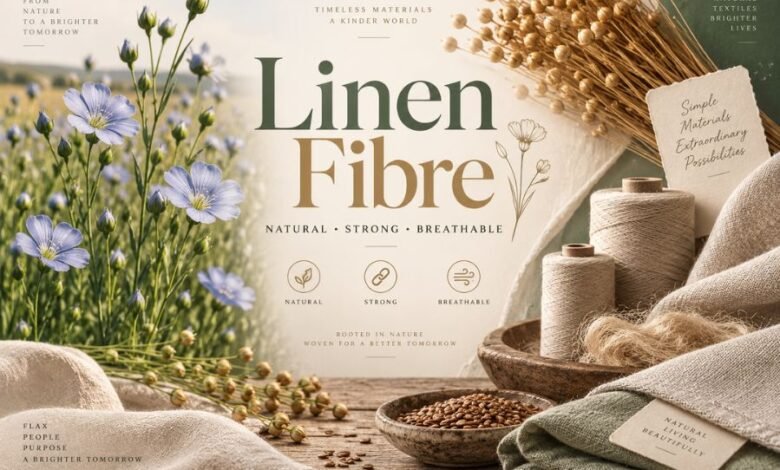
Linen fibre is one of those natural materials that has stayed important even after the arrival of many modern fabrics. It comes from the stem of the flax plant and has been used for thousands of years to make cloth, household items, and decorative fabrics. People like linen because it feels fresh, looks natural, and lasts for a long time. In hot weather, it is especially useful because it allows air to pass through the fabric and helps the body stay cool. Linen also absorbs moisture well, which makes it comfortable for daily wear. From summer shirts and dresses to bedsheets, tablecloths, curtains, and towels, linen fibre is still widely used in homes and fashion. Its natural origin and biodegradable quality also make it a better choice for people who care about the environment.
What Is Linen Fibre?
Linen fibre is a plant-based fibre taken from the inner stem of the flax plant. The flax plant is grown mainly for two useful things: its fibres and its seeds. The fibres are long, strong, and smooth, which makes them suitable for spinning into yarn and weaving into fabric. Linen is different from cotton because cotton comes from the seed part of the plant, while linen comes from the stem. This is one reason why linen has a firmer texture and a slightly crisp feel. When you touch linen fabric, you can often feel its natural surface and small uneven lines. These small irregularities are not faults; they are part of linen’s character. They give the fabric a natural and honest look that many people find attractive.
A Short History of Linen Fibre
The history of linen fibre goes back thousands of years. Ancient civilisations used linen for clothing, bedding, religious cloth, and household materials. In ancient Egypt, linen was considered a clean and valuable fabric. It was used not only for daily clothing but also for wrapping mummies because people connected it with purity and respect. In Europe, linen became a common fabric before cotton became widely available. It was used for shirts, underclothes, tablecloths, sheets, bags, and even sails. For many years, linen was linked with careful craftsmanship because producing it required time, skill, and patience. Even today, linen has kept its reputation as a strong, natural, and premium fabric. It may look simple, but its background is rich and deeply connected with human life.
How Linen Fibre Is Produced
The production of linen fibre begins with the flax plant. When the plant becomes mature, it is usually pulled from the ground instead of being cut. This helps keep the fibres long, which improves the quality of the final fabric. After harvesting, the flax stems are dried and then passed through a process called retting. Retting helps loosen the fibres from the woody part of the stem. This can be done using dew, water, or controlled methods. After retting, the stems are dried again, broken, and cleaned. The woody parts are removed, and the long fibres are separated from the shorter ones. These fibres are then combed, spun into yarn, and woven into linen cloth. The process takes more effort than producing many other fabrics, which is one reason why good linen can be more expensive.
Main Properties of Linen Fibre
One of the strongest qualities of linen fibre is its durability. Linen is known for being strong, and it can become even stronger when wet. This makes it useful for items that need regular washing, such as bedsheets, towels, napkins, and tablecloths. Another important property is breathability. Linen allows air to move through the fabric, which helps reduce heat and sweat. This is why linen clothes are popular in summer and in warm countries. Linen also absorbs moisture quickly and dries faster than many other fabrics. However, linen has low elasticity, which means it does not stretch much. Because of this, it wrinkles easily. Some people see this as a disadvantage, while others feel that the natural wrinkles give linen its relaxed and stylish appearance.
Uses of Linen Fibre in Everyday Life
Linen fibre is used in many parts of daily life because it is both practical and attractive. In clothing, linen is commonly used for shirts, trousers, dresses, skirts, suits, jackets, and loose summer outfits. It gives clothes a clean and comfortable look without feeling heavy. In homes, linen is used for bedsheets, pillow covers, curtains, sofa covers, table runners, napkins, towels, and kitchen cloths. Many people prefer linen bedsheets because they feel cool in summer and become softer with time. Linen tablecloths and napkins are often used in restaurants, hotels, and formal dining because they look neat. Apart from clothing and home use, linen has also been used in book covers, artist canvas, bags, and some industrial products.
Advantages of Linen Fibre
There are many reasons why linen fibre is still valued today. The biggest advantage is comfort. Linen feels cool on the skin and does not trap heat like some synthetic fabrics. It is also good at absorbing moisture, so it helps keep the body fresh. Another major benefit is strength. A good-quality linen product can last for many years if it is cared for properly. Linen is also suitable for people who prefer natural materials over artificial ones. It has a simple, classic appearance that works well in both casual and formal settings. From an environmental point of view, linen is also a responsible option because it comes from a plant source and is biodegradable. This makes it more eco-friendly than many synthetic fibres that take a very long time to break down.
Disadvantages of Linen Fibre
Even though linen fibre has many benefits, it also has a few drawbacks. The most common issue is wrinkling. Linen wrinkles very easily because it does not have much stretch. For people who like a perfectly smooth appearance, this can be frustrating. Another point is that linen can feel a little stiff when it is new, although it usually becomes softer after washing and regular use. Good-quality linen can also be expensive because the production process needs more care and labour. Linen may shrink if it is washed in very hot water or dried with high heat. This means it needs proper care to stay in good shape. However, many people still choose linen because its comfort, strength, and natural beauty are worth these small challenges.
Linen Fibre and Eco-Friendly Living
In today’s world, many people are trying to make better choices when buying clothes and home fabrics. Linen fibre fits well into this idea because it is natural, long-lasting, and biodegradable. The flax plant can grow in suitable climates without needing as much water as some other fibre crops. Also, different parts of the flax plant can be used, which helps reduce waste. A linen shirt or bedsheet may cost more at first, but it can last for years, which means fewer replacements are needed. This makes linen a good option for slow fashion and sustainable living. However, it is also important to remember that not all linen is produced in the same way. The farming, dyeing, processing, and transport methods also affect how eco-friendly the final product really is.
Linen Fibre Compared with Cotton
People often compare linen fibre with cotton because both are natural and widely used in textiles. Cotton is usually softer when new, while linen has a firmer and cooler feel. Linen is stronger than cotton and often lasts longer, especially when handled carefully. It also dries faster and allows better airflow, making it a strong choice for summer clothing. Cotton, on the other hand, is easier to iron and usually wrinkles less. Cotton fabrics are also more common and often cheaper. Linen has a more textured and natural look, while cotton usually has a smoother surface. Both fibres have their place, but linen is often chosen when people want something breathable, durable, and naturally stylish.
How to Care for Linen Fibre
Taking care of linen fibre is not difficult, but it does need a little attention. Linen products should be washed with mild detergent and cool or lukewarm water. Very hot water should be avoided because it can cause shrinkage. It is better not to twist linen harshly after washing, as this can create deep wrinkles. Air drying is a good choice because it is gentle on the fabric. If you want a neat look, iron linen while it is still slightly damp. For a relaxed look, you can simply let it dry naturally and enjoy its soft wrinkles. Linen should be stored in a dry place with good airflow. With time, linen usually becomes softer and more comfortable, which is one of the reasons people enjoy using it for years.
Why Linen Fibre Is Still Important
Linen fibre remains important because it offers something that many modern fabrics cannot fully provide. It is natural, breathable, strong, and timeless. Fashion designers use linen for summer collections because it gives clothing a relaxed but polished look. Interior designers use linen for curtains, cushions, bedding, and table settings because it adds texture and calm beauty to a room. Hotels and restaurants also use linen because it gives a clean and professional impression. As more people become interested in natural fabrics and sustainable products, linen continues to gain attention. It is not just an old fabric from history; it is still useful, stylish, and relevant in modern life.
Conclusion
In conclusion, linen fibre is a natural fibre obtained from the stem of the flax plant, and it has remained valuable for thousands of years because of its strength, comfort, and fresh feel. It is used in clothing, bedding, curtains, tablecloths, towels, and many other household fabrics. Linen is breathable, moisture-absorbing, durable, and biodegradable, which makes it a good choice for hot weather and eco-conscious living. Although it wrinkles easily and can be more expensive than some other fabrics, its long life and natural beauty make it worth choosing. Linen fibre proves that a simple natural material can still have an important place in modern fashion and home life.
(FAQs)
What is linen fibre?
Linen fibre is a natural fibre obtained from the stem of the flax plant. It is used to make fabric for clothing and household items.
Why is linen fibre popular in summer?
Linen is popular in summer because it is breathable, absorbs moisture, and helps the body stay cool and comfortable.
Is linen fibre stronger than cotton?
Yes, linen is generally stronger than cotton. It is also known for lasting a long time when cared for properly.
What are the common uses of linen fibre?
Linen fibre is used for shirts, dresses, trousers, bedsheets, curtains, tablecloths, napkins, towels, and sofa covers.
Is linen fibre eco-friendly?
Yes, linen is considered eco-friendly because it comes from a natural plant source and is biodegradable.