YouTube in 2026: Why the Video Platform Is Becoming the New Centre of Digital Entertainment

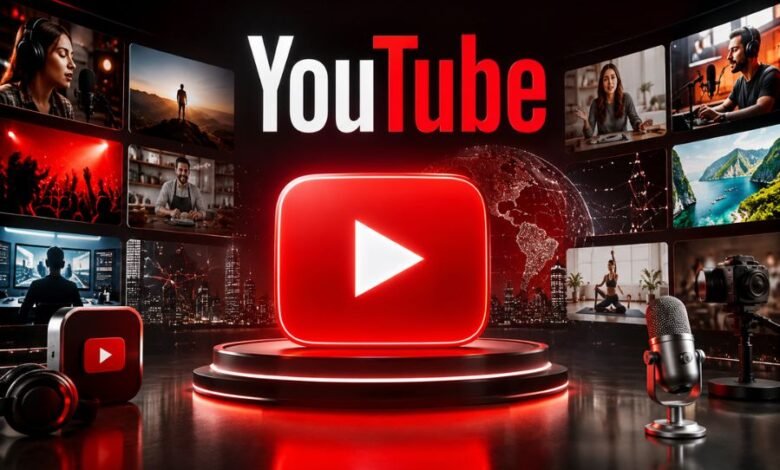
YouTube is no longer simply a website where people upload videos and hope to gain views. In 2026, it has become a powerful mix of television, entertainment, education, search, shopping, music, podcasting, and online business. People may open the platform to watch a quick comedy clip, but they often stay to follow a live event, learn a practical skill, listen to a podcast, research a product, or watch a full-length show.
This wider role makes YouTube one of the most important digital platforms of the year. Its biggest change is not a new button or video format. The real change is that viewers now treat it as part of everyday life across phones, computers, tablets, and television screens. At the same time, creators are developing serious media businesses that can compete with older entertainment companies.
The result is a platform entering a new stage. YouTube in 2026 is not only competing for clicks. It is competing for people’s time, attention, trust, and loyalty.
YouTube Is Moving Beyond the Traditional Video Website
For many years, YouTube was mainly seen as a collection of user-uploaded videos. That description now feels outdated. The platform carries professionally produced documentaries, live sports discussions, news programmes, podcasts, music releases, educational lessons, product reviews, films, creator-led shows, and short entertainment clips.
This mix allows each viewer to create a personal viewing schedule. One person may watch a ten-second Short, while another may spend an hour watching an interview. A student can use YouTube to understand a difficult subject, and a customer can compare products before making a purchase. The platform does not force every creator or viewer into one format.
That freedom is one reason YouTube remains difficult for competitors to copy. A short-video app may compete with YouTube Shorts, while a streaming service may compete with its long-form content. However, few services bring short videos, live broadcasts, music, television viewing, podcasts, education, comments, search, and creator communities together in the same place.
YouTube says more than 20 million videos are now uploaded to the platform on an average day. This huge amount of content gives viewers almost endless choice, but it also makes quality, originality, and clear presentation more important for creators.
The Living Room Has Become YouTube’s Biggest New Opportunity
One of the most important YouTube developments is happening away from mobile phones. More people are now watching creators on large television screens, giving online videos the appearance and influence of traditional programmes.
YouTube reported that it had been the leading platform for streaming watch time in the United States for nearly three years as of January 2026. This shows that viewers are not only using it for short breaks or quick searches. They are sitting down and watching it as they would watch regular television.
This change is also influencing creators. A video designed for a phone may use fast cuts, large captions, and close camera angles. Content made for television viewing often needs stronger sound, clearer storytelling, better lighting, and a more organised structure. Creators who understand both viewing styles may have an advantage.
In 2026, the successful YouTube channel may look less like a social media profile and more like a small television network. It can offer regular programmes, special interviews, live broadcasts, Shorts, behind-the-scenes videos, and community discussions under one brand.
YouTube Shorts Remains Powerful, but Short Videos Are Changing
YouTube Shorts continues to play a major part in the platform’s growth. YouTube says Shorts is averaging more than 200 billion views each day, showing how deeply short-form viewing has entered everyday online behaviour.
However, simply uploading quick clips is no longer enough to guarantee attention. Viewers are surrounded by short videos on almost every major social platform. This means the first few seconds must offer a clear reason to continue watching. A strong question, surprising moment, useful tip, emotional reaction, or visual change can help stop the viewer from scrolling.
The smartest creators are also using Shorts as part of a wider content system. A Short can introduce a longer video, highlight an interesting podcast moment, answer a popular question, promote a live stream, or bring an older video back into public attention.
YouTube has also announced plans to bring more variety into the Shorts feed, including formats such as image posts. This suggests that Shorts is developing into a broader discovery space rather than remaining only a collection of vertical videos.
Artificial Intelligence Is Making Video Creation Easier
Artificial intelligence has become one of the biggest forces shaping YouTube in 2026. Creators can increasingly use AI to develop ideas, prepare early video edits, produce backgrounds, improve dubbing, study channel performance, and adapt content for different audiences.
YouTube has introduced or announced tools connected with AI-powered video generation, title testing, automatic dubbing, channel insights, and early video editing. Its Veo-supported features can help creators produce backgrounds, apply motion, restyle scenes, or turn raw material into an initial video draft.
These tools may lower the cost of creating content, particularly for individuals and small teams. A creator who cannot afford a large production crew may still be able to improve editing, translation, planning, and visual presentation.
However, easier production also creates a serious problem: more low-quality, repetitive, and artificial-looking videos. YouTube has said it is strengthening systems used against spam and clickbait to reduce the spread of poor-quality AI content. The platform also requires disclosure when creators publish realistic altered or synthetic material in relevant situations.
The lesson for creators is clear. AI can support good ideas, but it cannot replace personality, experience, judgement, and trust. In a feed filled with automated content, a genuine human voice may become even more valuable.
Video Podcasts Are Challenging Traditional Audio Platforms
Podcasting on YouTube is growing because it gives audiences more ways to experience the same conversation. Some people watch the complete video, others listen while completing another task, and many discover the programme through short clips.
This makes video podcasts useful for creators, businesses, journalists, teachers, and subject experts. One long discussion can produce a complete episode, several Shorts, quotation clips, community posts, and follow-up videos. The format offers more value from a single recording session.
YouTube reported in April 2026 that the platform had more than one billion monthly active podcast users. This helps explain why news organisations and independent presenters are investing more heavily in video-first podcast programmes.
The most successful YouTube podcasts are not always the ones with the most expensive studios. Viewers often respond to clear sound, interesting guests, useful questions, natural conversation, and consistent publishing. A simple but honest discussion can perform better than a highly polished programme that feels distant or overly controlled.
YouTube Is Becoming a Serious Business Platform
The idea of being a YouTuber has changed greatly. For many people, a channel is now the centre of a wider business that may include advertising income, memberships, sponsorships, product sales, live events, consulting, courses, merchandise, and fan support.
YouTube stated that it paid more than $100 billion to creators, artists, and media companies during the four years leading into 2026. Alphabet also reported that YouTube’s yearly revenue had passed $60 billion across advertising and subscriptions. These figures show that the platform is not a small corner of online entertainment. It supports a large global business system.
Income is also becoming more varied. Creators can explore advertising, shopping tools, brand partnerships, fan-funding features, channel memberships, Super Chat, gifts, and external products or services. YouTube said more than 500,000 creators were already involved in YouTube Shopping as it worked towards making purchases easier inside the app.
Still, earning money is rarely immediate. Successful channels usually require patience, audience understanding, regular improvement, and a clear subject. Viral success can help, but a trusted audience is more valuable than one popular video with no lasting connection.
Education Remains One of YouTube’s Strongest Uses
Entertainment attracts much of the public attention, but learning remains one of YouTube’s most valuable roles. Users can find lessons on school subjects, languages, software, cooking, fitness, repairs, business, science, art, and almost every practical skill.
The platform is especially useful because viewers can pause, repeat, slow down, or revisit a lesson. They can also compare different explanations until they find a teacher whose style is easy to understand. This gives learners more control than a traditional one-time lesson.
For educators and experts, YouTube offers a chance to teach beyond a physical classroom. A useful video can continue reaching students for years, particularly when its title clearly matches a common question.
However, viewers should remember that popularity does not always mean accuracy. Medical, legal, financial, and scientific claims should be checked against reliable sources. Creators who show evidence, correct mistakes, and explain uncertainty are more likely to build long-term trust.
Parents and Viewers Want Greater Control
As YouTube becomes more central to family entertainment, concerns about screen time, recommendations, privacy, and age-appropriate content are receiving greater attention.
In January 2026, YouTube announced additional controls for supervised teen accounts. These include options that allow parents to limit time spent scrolling through Shorts, including the ability to reduce the limit to zero. Custom bedtime and break reminders are also part of the company’s effort to support more mindful viewing.
These changes show that digital platforms are being asked to do more than increase viewing time. People also want tools that help them manage their attention.
Viewers can take simple steps themselves by adjusting notifications, reviewing subscriptions, clearing unwanted recommendations, creating playlists, and setting personal viewing limits. YouTube becomes more useful when people choose content with purpose instead of allowing the recommendation feed to make every decision.
What Creators Should Focus on in 2026
The biggest opportunity on YouTube does not belong only to established celebrities or production companies. New creators can still grow, but copying popular formats without adding anything original is becoming less effective.
A strong channel needs a clear promise. Viewers should quickly understand what the creator offers and why they should return. That promise may be reliable technology advice, honest product testing, simple lessons, regional news, thoughtful interviews, family entertainment, gaming analysis, or inspiring personal stories.
Creators should also think beyond subscriber numbers. Returning viewers, meaningful comments, watch time, viewer satisfaction, and trust often reveal more than a single public figure. A smaller community that regularly watches and responds can support a stronger business than a large but inactive audience.
Most importantly, creators should treat AI and trends as tools rather than identities. Trends may bring temporary attention, but an original voice gives people a reason to remember the channel.
Conclusion
YouTube in 2026 stands at the meeting point of technology, entertainment, television, education, business, and human creativity. Shorts is delivering enormous daily viewing, television screens are becoming more important, podcasts are attracting large audiences, and AI is changing how videos are produced and understood.
Yet the platform’s future will not depend on technology alone. Viewers still want useful information, believable voices, emotional stories, fresh ideas, and creators they can trust. As automated content becomes easier to produce, originality and honesty will become more valuable, not less.
YouTube’s greatest strength is that it allows one person with a clear idea to reach people across the world. The tools may continue changing, but the central opportunity remains familiar: create something worth watching and give people a reason to return.
(FAQs)
What is YouTube mainly used for in 2026?
YouTube is used for entertainment, education, music, news, gaming, video podcasts, live broadcasts, product research, television viewing, and online business. Its wide range of formats allows users to watch both short clips and long programmes on different devices.
Is YouTube still a good platform for new creators?
Yes, new creators can still build successful channels by choosing a clear topic, publishing useful or entertaining content, and developing a recognisable voice. Growth may take time because competition is high, but specialised and original channels can still find loyal audiences.
Can creators earn money from YouTube Shorts?
Eligible creators can earn from Shorts through YouTube’s monetisation system. Shorts may also help creators attract subscribers, promote longer videos, secure brand partnerships, sell products, and guide viewers towards other income sources.
How is artificial intelligence changing YouTube?
AI is supporting video planning, editing, translation, dubbing, background generation, content discovery, and channel analysis. At the same time, YouTube is introducing labels and protection tools to address deepfakes, low-quality automated uploads, and the misuse of a creator’s likeness.
Why is YouTube becoming more like television?
More people are watching YouTube on large television screens and spending longer periods with creator-led shows, podcasts, live events, and full-length videos. This has encouraged creators to produce structured programmes with better storytelling, sound, visuals, and regular release schedules.