What makes Hunza Skardu and Swat different from typical holiday destinations

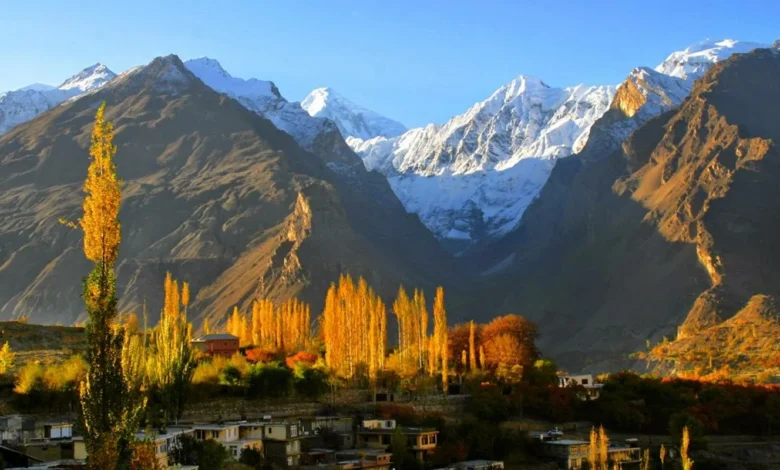
Pakistan’s northern regions offer a kind of travel that does not fit neatly into a standard city break or beach holiday. The distances can be long, the roads demand patience and the scenery changes quickly from busy towns to wide valleys, high passes and steep mountains.
Hunza, Skardu and Swat are often grouped together because they all sit in the north of the country. Each has its own character, though, and each rewards a different type of traveller. One may appeal more to people interested in local villages and mountain views, while another suits those who want dramatic landscapes or a slower pace.
Hunza feels open and settled, with villages spread through a valley surrounded by some of the region’s most striking peaks. Skardu has a more rugged feel, acting as a route into the Karakoram and towards some of the world’s highest mountains. Swat combines mountain scenery with greener valleys, rivers and a stronger sense of everyday town life.
Hunza feels connected to the landscape
Hunza has become one of the best known parts of northern Pakistan, partly because its scenery is so immediate. Mountains rise above the valley, while terraced fields, orchards and small settlements give the area a lived in quality.
Karimabad is often the first stop for visitors. It has cafés, guesthouses and clear views towards Rakaposhi, but it still feels small enough to explore on foot. Baltit Fort sits above the town and offers a reminder of Hunza’s history before the region became a major route for visitors.
The appeal of Hunza is not only in the major sights. It comes from quieter moments too. Sitting with tea while watching the light change on the mountains, walking through a village or stopping beside an apricot orchard can feel just as memorable as visiting a famous viewpoint.
People who book cheap flights to Pakistan often begin by comparing the country’s major cities, but the northern regions require a different approach. Reaching Hunza takes planning, and the journey becomes part of the experience rather than something to rush through.
Skardu feels bigger and more remote
Skardu has a different atmosphere. The town sits within a wide valley in Gilgit Baltistan and acts as a base for people travelling deeper into the Karakoram. It is known for its connection to trekking and mountaineering, but it also works for visitors who simply want to see dramatic mountain scenery without attempting a major expedition.
The road into Skardu can feel like an introduction to the scale of the region. Rivers cut through deep valleys, mountains rise sharply above the road and the landscape becomes more exposed as the journey continues.
Shangrila Lake and Upper Kachura Lake are among the places visitors often seek out, while the cold desert at Katpana offers a surprising contrast to the surrounding peaks. Sand dunes beside snow covered mountains do not feel like a typical combination, which is exactly why the area leaves such a strong impression.
Skardu suits travellers who do not mind moving slowly. Weather, road conditions and long distances can affect plans, so the best approach is to leave room for changes. The reward is a place that feels far removed from the pace of a large city.
Swat has a softer and greener character
Swat is often described as one of Pakistan’s most scenic valleys, and it is easy to understand why. The region has rivers, forests, green hills and mountain roads that lead towards higher areas such as Kalam and Malam Jabba.
The valley has a gentler appearance than Skardu, especially during the warmer months. Towns and villages sit alongside the river, while roadside stalls, markets and cafés give the area a more everyday feel. It is a place where visitors can enjoy the scenery without feeling completely removed from local life.
Mingora provides an active base for exploring the valley, while places further north offer quieter views and cooler temperatures. Kalam has become particularly popular for its forests and river scenery, although the journey there can take time during busy periods.
Swat also has a long history. The region contains Buddhist archaeological sites and reminders of a past that predates modern tourism by centuries. This gives the valley an extra layer for visitors who want more than mountain photographs.
These places ask visitors to travel differently
Hunza, Skardu and Swat are beautiful, but they are not destinations for people who expect every day to run to a fixed timetable. Roads can be affected by weather, journeys may take longer than expected and mobile signal can be limited outside towns.
That uncertainty is part of what makes the north feel different. Travellers need to be flexible, carry suitable clothing and avoid trying to fit too many places into a short visit. Spending longer in one valley often gives a better experience than rushing through several.
Local food also becomes part of the journey. In Hunza, visitors may find dishes made with apricots, walnuts and local grains. In Swat, river fish and fresh bread are popular. Skardu has its own mountain food traditions, shaped by the climate and the ingredients available in the region.
The best meals are often simple, filling and shared. They suit long journeys and cool evenings more than formal restaurant settings.
The north offers more than a view
It would be easy to describe these regions only through mountains and lakes. The scenery is remarkable, but it is the combination of landscape, hospitality, history and daily life that makes each place feel different.
Hunza offers mountain villages, heritage sites and a slower rhythm. Skardu gives visitors a sense of scale and remoteness. Swat brings together greener valleys, river towns and a deep cultural history.
None of them feels like a typical holiday destination, and that is their strength. They ask people to slow down, look beyond the obvious viewpoint and accept that the route matters as much as the arrival.