Why Healthy Ageing Is About More Than Looking Younger

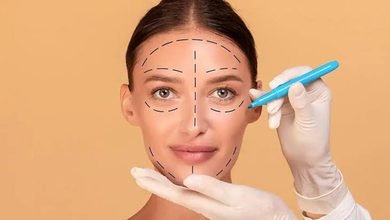
Ageing well gets talked about a lot like it’s a beauty project. Adverts, social media and celebrity routines all suggest that the goal is smoother skin, fewer grey hairs, or looking younger than your years. There’s nothing wrong with caring how you look, but it’s really only a small slice of a much bigger picture.
What actually matters more is how you feel, move and get through your day. That means strength, mental wellbeing, staying connected to other people, and dealing with health concerns as they come up. Some people look into things like an NMN supplement as part of a wider routine, though nothing beats balanced eating, regular movement and proper medical advice when it’s needed.
A healthier way of thinking about ageing isn’t about turning back the clock. It’s about protecting your quality of life, staying capable, independent and engaged, rather than trying to erase every visible sign of getting older.
Strength and Mobility Matter
Being able to manage everyday tasks is one of the biggest parts of ageing well. Walking to the shops, climbing stairs, standing up from a chair, carrying the shopping, all of it depends on a mix of strength, balance and mobility.
Muscle and bone strength tend to decline with age, especially once activity drops off. Staying active helps protect both physical function and confidence, and it doesn’t need to mean joining a gym. Walking, gardening, swimming, dancing, cycling, these all count.
It’s worth adding some strength work too. Chair squats, wall press-ups, resistance bands, or simply lifting things around the house can help maintain muscle. Balance work, like standing on one leg while holding onto something sturdy, can help with steadiness as well.
If you’re returning to exercise after a long break, or managing a health condition, it’s worth getting proper guidance first.
Energy Is Not Just About Age
Tiredness often gets written off as something you just have to accept as you get older, but energy levels are shaped by all sorts of things: sleep, stress, hydration, activity, diet and certain medical conditions among them.
A steady sleep routine can make a real difference. Going to bed and waking up around the same time, cutting back on caffeine later in the day, and keeping the bedroom comfortable all help. Some gentle exercise during the day can also make it easier to sleep well at night.
Hydration matters too. Thirst tends to become less noticeable with age, so it’s often better to drink regularly through the day rather than waiting to feel thirsty.
If tiredness sticks around without an obvious reason, it’s worth mentioning to a GP. It can sometimes be linked to things like anaemia, thyroid issues, sleep disorders or medication side effects.
Nutrition Supports More Than Appearance
Food conversations tend to focus on weight or skin, but nutrition plays a much wider role in ageing well. A varied diet supports muscles, bones, the immune system, and everyday energy.
Protein becomes especially important as we get older, since it helps maintain muscle. Eggs, fish, poultry, yoghurt, beans, lentils, tofu and nuts are all useful sources. Having some protein at each main meal makes it easier to get enough across the day.
Fruit, vegetables and wholegrains bring fibre, vitamins and minerals into the mix, while healthy fats, olive oil, seeds, oily fish, round things out.
Eating well doesn’t have to be perfect. Enjoyment, convenience, culture and budget all matter too. What counts most is the overall pattern over weeks and months, not any single meal.
Mental Wellbeing Deserves Equal Attention
Ageing well isn’t only physical. Emotional resilience, confidence and a sense of purpose all shape quality of life just as much.
Big changes often come with age, retirement, bereavement, caring for others, shifts in health, and these can affect mood and identity. Making time for things you enjoy, keeping some routine, and asking for support when you need it all help.
Learning something new can also bring stimulation and satisfaction, whether that’s a class, a language, an instrument, or a new recipe. It’s less about keeping busy and more about staying curious.
Low mood, anxiety and loneliness shouldn’t be treated as just part of getting older. Support exists, and talking to a GP or another professional can be a useful first step.
Social Connection Is Part of Good Health
Relationships have a real influence on everyday wellbeing. Regular contact with friends, family, neighbours or community groups offers emotional support and a sense of belonging.
You don’t need a huge social circle or a packed diary. A weekly phone call, a walking group, volunteering, or a local class can all provide meaningful connection.
For anyone living alone or with limited mobility, staying connected might take a bit more planning. Community transport, online groups and local organisations can help make participation easier.
And loneliness isn’t limited to older age, it can affect anyone. Reaching out to someone else can help both people.
Preventative Care Helps Protect Independence
Routine healthcare plays a big role in ageing well too. Regular checks can catch potential issues early, before they start affecting daily life.
That might mean blood pressure checks, eye tests, dental appointments, vaccinations and relevant screenings. Hearing changes are worth addressing as well, since untreated hearing loss can make communication and social situations harder.
Changes in balance, memory, appetite, weight or mood are worth mentioning to a healthcare professional if they persist. Asking for advice isn’t overreacting, it can bring reassurance or lead to helpful treatment.
Ageing Well Looks Different for Everyone
There’s no single formula for ageing well. Genetics, disability, income, housing, work, caring responsibilities and access to healthcare all shape what’s realistic for each person.
Comparing yourself to a polished routine online can create pressure that doesn’t reflect real life. Someone with time for long morning workouts and carefully prepared meals is often in very different circumstances from someone working shifts or looking after a relative.
A more useful question might be: what small change would make life a bit easier or more enjoyable today? That could be a short walk, a better breakfast, booking an overdue appointment, or getting back in touch with a friend.
A Broader View of Healthy Ageing
Looking younger isn’t the same as feeling well. Ageing well is really about supporting the body and mind so life stays active, connected and fulfilling.
Strength, mobility, sleep, nutrition, emotional wellbeing and preventative care all play a part, and none of them need to be managed perfectly. Progress doesn’t have to be dramatic to count.
Getting older brings change, but it also brings experience and a clearer sense of what matters. Focusing on how you function and feel, rather than how you look, makes healthy ageing a far more realistic, and far more positive, goal.