Understanding vCard Capacity on ID Cards Using QR Codes and NFC

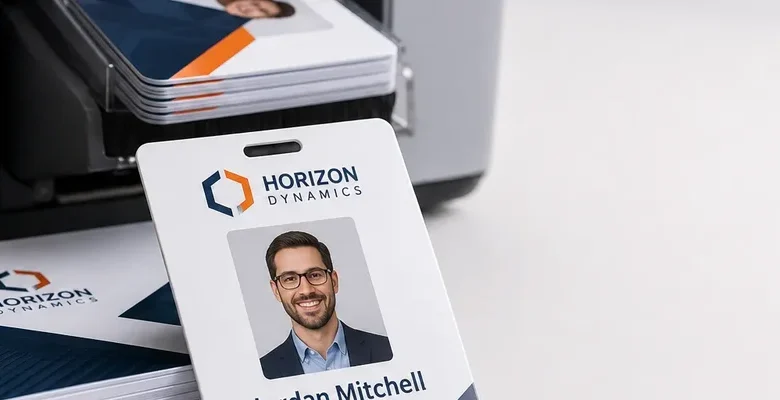
As organizations continue to adopt digital identity solutions, the combination of physical ID cards with vCard technology has become increasingly popular. By embedding a vCard into a QR code or storing it on an NFC-enabled ID card, users can instantly share comprehensive contact information with a simple scan or tap. This approach transforms a traditional identification badge into a powerful networking and communication tool.
Many modern id badges now incorporate QR codes or NFC chips that provide direct access to digital contact records. Instead of manually entering names, phone numbers, and email addresses, recipients can save a complete contact profile directly to their smartphone in seconds.
What Is a vCard?
A vCard is a standardized electronic business card format used to exchange contact information between devices and applications. The current standard is defined by the Internet Engineering Task Force (IETF) in RFC 6350, titled “vCard Format Specification.” RFC 6350 establishes a universal format for storing and sharing contact information across platforms and operating systems. The standard supports UTF-8 encoding, making it suitable for international use and multilingual contact records. (ID badges)
Because vCards are supported by iOS, Android, Microsoft Outlook, Google Contacts, Apple Contacts, and numerous CRM systems, they have become the de facto standard for digital contact exchange.
How Much Information Can a vCard Hold?
One of the most common misconceptions is that a vCard is limited to basic contact information. In reality, the vCard specification supports a surprisingly large number of data fields.
Commonly used vCard properties include:
- Full name
- First and last name components
- Job title
- Organization or company
- Department
- Email addresses
- Mobile, office, and fax numbers
- Website URLs
- Physical addresses
- Profile photos
- Social media links
- Notes and descriptions
- Preferred language
- Geographic coordinates
- Time zone information
- Birthday and anniversary dates
- Public keys and certificates
- Categories and tags
- Related contacts or organizational relationships
RFC 6350 also introduced modern properties such as KIND (individual, organization, or group), ANNIVERSARY, GEO, LANG, and RELATED, enabling richer contact records than earlier versions of the standard. (virtual business cards)
The practical capacity of a vCard depends primarily on the storage medium. An NFC chip can typically store from a few hundred bytes to several kilobytes, while a QR code can store several thousand characters depending on its version and error-correction settings. For most business applications, there is ample capacity for complete professional contact details, multiple phone numbers, web links, and custom notes.
vCards on QR Code ID Cards
QR codes provide one of the simplest methods of distributing vCards. A QR code printed on an ID badge can contain the entire vCard record or a URL pointing to a hosted digital profile.
When scanned with a smartphone camera, the device recognizes the vCard format and offers to create a new contact entry automatically. This eliminates data entry errors and improves the user experience at conferences, trade shows, and business meetings.
QR-based vCards offer several advantages:
- No specialized hardware required
- Compatible with nearly all smartphones
- Low implementation cost
- Easy to print on existing ID cards
- Instant contact sharing
However, very large vCards containing images or extensive notes may exceed the practical capacity of a QR code. In such cases, organizations often use the QR code to link to a cloud-hosted profile instead.
vCards on NFC ID Cards
NFC-enabled ID cards take convenience a step further. Instead of opening a camera application and scanning a code, users simply tap the card against an NFC-capable smartphone.
Because NFC communication occurs automatically and securely at close range, it provides a smoother interaction for networking and access management applications. NFC cards can store the vCard directly on the chip or redirect users to a hosted digital profile.
Many organizations choose NFC because it enables:
- Faster contact exchange
- Enhanced user experience
- Rewritable data storage
- Integration with access control systems
- Smart workplace and visitor management applications
This dual-purpose functionality allows a single card to serve as both an identification credential and a digital networking tool.
Applications Across Industries
Information Technology
IT professionals frequently exchange contact details during client meetings, technical conferences, and vendor engagements. A vCard-enabled ID badge allows engineers, consultants, and support personnel to share accurate contact information instantly while reducing manual data entry.
Real Estate
Real estate agents often meet prospective buyers in person. By tapping an NFC badge or scanning a QR code, clients can immediately save the agent’s contact information, website, office location, and property listings. This helps reduce lost leads and improves follow-up opportunities.
Marketing
Marketing teams use digital business cards to streamline lead generation at trade shows and promotional events. Instead of collecting paper business cards, prospects can save contact details directly into their phones. Marketing departments can also include campaign-specific URLs, social media profiles, and landing pages within the vCard.
Event Management
Event organizers increasingly issue attendee and staff credentials that incorporate digital contact sharing. Speakers, exhibitors, sponsors, and attendees can exchange information quickly without relying on paper business cards. This creates a more efficient networking environment and supports environmentally friendly event practices.
The Future of Digital Identity Cards
As organizations continue their digital transformation initiatives, the integration of vCards with QR codes and NFC technology is becoming a standard feature of modern identification systems. These solutions bridge the gap between physical credentials and digital communication, making contact exchange faster, more accurate, and more convenient.
A well-designed Virtual Business Card solution can significantly enhance networking, lead generation, customer engagement, and professional communication. By leveraging the capabilities defined in IETF RFC 6350, businesses can turn ordinary ID cards into versatile digital identity tools that support a wide range of professional applications.