Which Everest Trek Route Offers the Best Experience

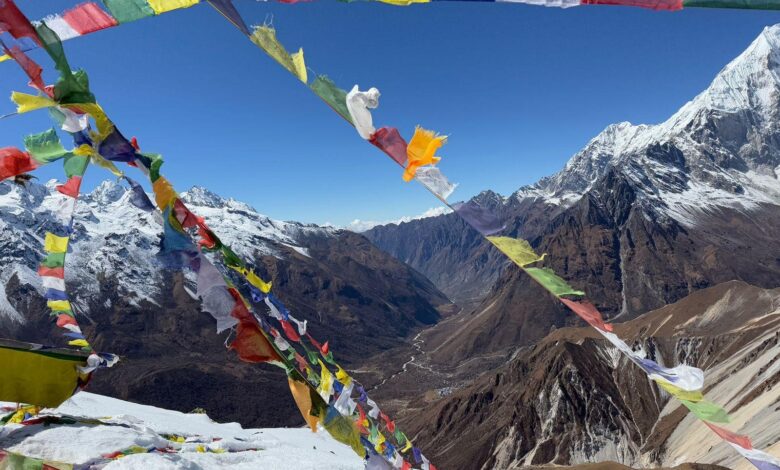
High places have a way of drawing folks close, particularly when they tower over the rest of the planet. Winding toward Everest’s base means walking past settlements where old ways live strong, kept alive by tough Sherpa families. Some arrive fixated on height, yet it’s the calm power along the route that lingers longest. Above five thousand meters, breath grows thin, turning each movement into something careful, stretched out, sharp. Trails divide much as streams do – some jagged and bare, others broad and bright – with distinct views at every turn.
High above, one person walks alone near steep rock walls. Elsewhere, someone else laughs over tea in crowded rooms filled with smoke and voices. Light repaints the land every day – ice shines gold at sunrise, dark fingers climb slopes when the sun sinks, night arrives suddenly and deep. Getting used to the air takes time, yes, but it also reshapes each step, each thought, each breath. Certain trails lead past temples balanced on narrow edges. Different ones follow old routes where only hikers and guests wander now. How you walk, what you feel, what pulls your attention – these shape the journey more than any map ever could.
Everest Base Camp Classic Route
High above sea level, Lukla kicks off the famous route toward Everest Base Camp, pulling hikers every season. Heading up past Phakding, it threads through rugged, quiet beyond Namche Bazaar. Next comes Tengboche – silent among peaks – before reaching Dingboche, a place painted crimson when the sun drops low. Afterward, ground climbs sharply, cutting across Lobuche’s stone-heavy trail on the way to Gorak Shep.
Morning chill bites before the trail even begins, boots crunching over rocky stretches. Up ahead, Kala Patthar clears a path to vistas that stand bare, no need for extra phrases. Each footfall forward gives the body moments to adapt, slowly syncing with thinner skies above. Signs of life appear quietly – cloth prayers fluttering, voices rising at dawn, huts fogged with warm breath. New walkers settle into pace now, not due to the fact that they are trying, but because the land shapes them.
Everest Base Camp with Gokyo Lakes for diverse Terrain
Halfway across the Everest area, one route stands aside – the path stretching from base camp as much as the Gokyo Lakes. Without warning, bright blue lakes emerge between stone ridges, shimmering so sharply they pull your feet to a halt. Beneath high mountain crossings, glaciers stretch out, split open by slow movement, uneven under each footfall.
At the summit of Gokyo Ri, everything opens – Everest rises plainly, Cho Oyu tilts into sight, endless summits piling toward the horizon. This way avoids the crowded routes trodden endlessly through the seasons. Out here, the land changes shape around every turn – no two valleys share a face. Step away from the usual route, then watch groups vanish like morning mist. People chasing stillness along uneven edges often leave changed. More water, steeper paths, longer pauses – they pile up quietly. Difference isn’t forced; it just shows up, slow and steady.
Everest Three Passes Trek
High up where trails turn wild, only a handful of treks challenge you like the route over Everest’s three high passes. After Kongma La comes Cho La, then Renjo La – each step demands more than the last. Above the haze, rivers hang still beneath frost while empty valleys stretch far below. You’ll stand at Everest Base Camp and see the mirrored lakes of Gokyo, not chasing heights but something slower, quieter. Under an endless sky, rocky hills give way to small settlements built from time-worn stones. Out here, where the wind bites and breath comes short, effort shapes meaning. Belonging waits for anyone willing to face uneven terrain through slow, grinding hours.
Everest Base Camp Trek Fly Return
From the very beginning, this route works well for those who want a challenge but also something manageable. Once you hit Everest Base Camp, flying out by helicopter means tired legs get a break. Though the trek is shorter, none of the key sights are missed along the way. Moments shaped by local life, mountain views, and thin air still stand strong throughout. Choosing not to walk down gives space for ease – yet nothing essential fades away.
Everest View Trek Short and Easy Access
Over the rise, the trail climbs past spots like Namche Bazaar rather than driving straight to Everest base camp. From that height, summits come into view sharply – Everest lifts high above rooflines and footpaths. The days stay short enough for anyone managing one or two weeks open in their schedule. New hikers settle into pace here, stepping gently through settlements where colored flags wave over stonework homes.
Still, energy flows here because the rising ground takes it slow, unlike sharper trails that push breath and muscle further. Around each corner, tradition shows itself – ancient monasteries cling to cliffs, while chants rise quietly under early sun. Valleys rest inside towering peaks, their edges sprinkled with snow no matter how warm the sky grows above. Awe comes without needing sheer drops or frozen steps underfoot, just space and height enough to feel small.
Gokyo Valley Trek Silent Peaks
Among high mountains, footpaths slip quietly through Gokyo Valley, showing parts of the Everest region most never see. Away from crowded routes, silence grows along narrow lanes walled by stone giants. One valley opens after another, each more distant than the last, until the bright waters of the Gokyo Lakes appear below. A protracted upward thrust to the top of Gokyo Ri follows, bringing sweeping views over frozen rooftops of the sector when it ends. Out here, far from the usual paths, the view holds its own form of electricity. Quiet slips into the peaks and rocky slopes, welcoming everybody who prefers stillness over noise.
How Hard Routes Match Climber Skill
Up Everest, one route bites deeper than the other, shifting views and effort alike. Try starting at Base Camp? This suits folks who hike often and keep moving. The Gokyo Lakes road stretches into long hours over jagged terrain – needs muscle memory from prior climbs. Three sky-high gaps must be crossed, meaning frost-laced slopes, low oxygen, gasping breaths – reserved for bodies trained to endure. Walks like Everest View cross gradually, suitable for beginners who’ve by no means trekked earlier than. selecting the proper direction depends on what your frame can deal with. Figuring out climb angles and distance helps match trails to fitness levels.
Scenic Value and Landscape Differences
Up beyond the trees, the land alters fast, each route to Everest reshaping what lies ahead. Not only summits and fluttering prayer cloths, the Gokyo path shows bright blue waters cradled in frozen stretches. Where slopes drop into wide icy passages, some walkers notice sharper differences emerge. From a plane window on return, new views appear untouched by trails – endless sweeps of terrain sliding past underneath. With every shift beneath your boots, the Himalayas register not just visually, but felt through bone and breath.
Crowd Levels and Trekking Atmosphere
Some folks go right to Everest Base Camp. Crowds build up there since it pulls most travelers. Paths like Gokyo Valley or the Three Passes route? They tend to sit quieter. With fewer boots passing through, silence finds its way faster. Take the Everest View Trek – shorter trips often unfold more slowly as well. Most people walking these trails notice who’s around them. Crowds shape each moment without saying a word. The fullness of the route changes how time moves through your journey.
Cultural Experience Through Different Journeys
Deep in the hills, trails rise toward Everest, each offering glimpses of Sherpa life through weathered prayer flags and stone houses. Yet, the familiar route to Base Camp winds past more families, making talks on rocky steps feel natural. Offbeat routes like Gokyo Valley hold quiet charm – encounters happen between long silences among glaciers. The way culture shows up along your trek could shape which road pulls you forward.
Conclusion
Some folks head toward Everest trails shaped by personal goals, fitness level, and their available hours. Not everyone follows the common route – a few slip off into Gokyo Lakes, others leap across three sky-high passes for raw scenery. That classic trek to Base Camp? It holds strong. Slow steps bring huge payoffs. If days feel tight or mountain air feels new, a swift climb to Everest View fits neatly. A helicopter ride home sometimes answers when feet refuse more ground. Up there, each season brings fresh faces on the trail – pick your path by how you feel. When the fit is right, walking stays smooth, danger fades, memories grow. What sticks isn’t speed or gear, but rhythm found step by step.