Gary Bowyer: The Journey of a Determined Football Manager in English Football

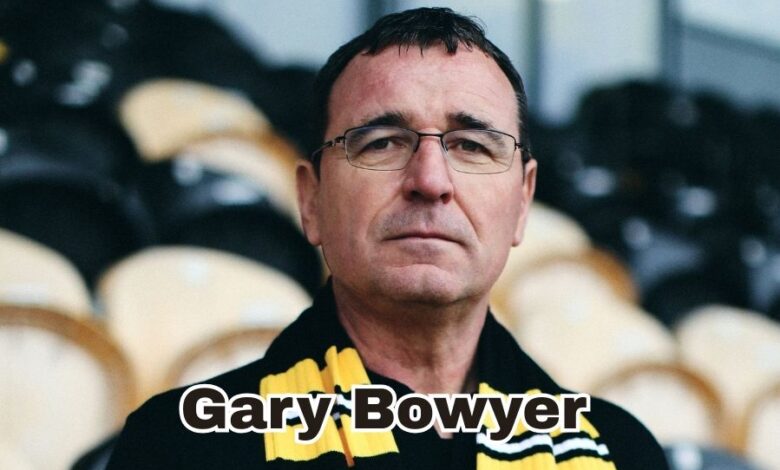
Gary Bowyer is widely respected in English football as a determined manager and former professional player who has spent decades contributing to the development of clubs across the lower and middle tiers of English football. Born on June 22, 1971, Bowyer has built a reputation for resilience, tactical discipline, and the ability to guide teams through difficult competitive environments. His managerial journey has taken him through several clubs within the English Football League, where he has consistently worked to rebuild squads, develop young talent, and pursue promotion opportunities. Currently serving as the head coach of Burton Albion, Bowyer continues to play an important role in shaping teams and influencing players with his strong football philosophy and practical experience in the game.
Early Life and Football Background
Gary Bowyer was born into a football-oriented family, which played a significant role in shaping his future in the sport. His father, Ian Bowyer, was a well-known professional footballer who enjoyed great success during his career, particularly with Nottingham Forest under legendary manager Brian Clough. Growing up in such an environment gave Gary Bowyer early exposure to professional football culture, training routines, and the discipline required to succeed in the sport. This upbringing naturally influenced his decision to pursue football as a career.
As a young player, Bowyer worked hard to establish himself in the competitive world of English football. He developed his skills through youth systems and gradually progressed into the professional game. While his playing career may not have reached the heights of some top-tier footballers, it provided him with invaluable experience and insight into the tactical and mental demands of the sport.
Gary Bowyer’s Playing Career
During his playing days, Gary Bowyer primarily operated as a midfielder and represented several clubs within the English football system. One of the teams he played for was Hereford United, where he gained important match experience and continued developing his football abilities. His time at different clubs helped him understand the challenges faced by teams outside the Premier League spotlight.
Although Bowyer’s playing career was not filled with major trophies or global recognition, it laid the foundation for his future managerial path. Playing across different divisions gave him firsthand knowledge of squad management, dressing-room dynamics, and the tactical nuances of lower-league football. These experiences later proved extremely valuable when he transitioned into coaching and management.
Transition from Player to Manager
After retiring from professional playing, Gary Bowyer gradually moved into coaching roles, a common path for former footballers who want to remain involved in the sport. His early coaching experience came through working with youth teams and development squads, where he began learning the responsibilities of leadership and tactical organization.
One of the most important stages of his coaching development occurred at Blackburn Rovers, where he initially worked within the club’s youth system. His work with young players demonstrated his ability to nurture talent and maintain discipline within a structured training environment. Bowyer’s commitment and strong work ethic eventually earned him greater responsibilities within the club.
Managerial Breakthrough at Blackburn Rovers
Gary Bowyer’s first major managerial breakthrough came when he was appointed manager of Blackburn Rovers. The club had been experiencing a challenging period following their relegation from the Premier League, and stability was urgently needed. Bowyer stepped into the role during a difficult time and worked to rebuild the squad while managing expectations from supporters and club leadership.
During his tenure, Bowyer focused heavily on developing young players and creating a balanced squad capable of competing in the Championship. He introduced a disciplined tactical approach and emphasized teamwork, work rate, and defensive organization. While Blackburn Rovers did not achieve promotion under his leadership, Bowyer succeeded in stabilizing the club during a period of uncertainty and provided a solid foundation for future progress.
Success with Blackpool
Another important chapter in Gary Bowyer’s managerial career came with his appointment at Blackpool F.C.. When Bowyer joined the club, Blackpool had been struggling both on and off the pitch, and the challenge of rebuilding the team was significant. However, Bowyer approached the situation with determination and a clear vision for improvement.
Under his management, Blackpool experienced one of their most successful modern periods. Bowyer guided the club to promotion from League Two by winning the playoffs, an achievement that demonstrated his ability to motivate players and perform under pressure. This success significantly enhanced his reputation as a capable manager who could deliver results in challenging circumstances.
Leadership at Bradford City
Following his time at Blackpool, Gary Bowyer took charge of Bradford City A.F.C.. His appointment came during another difficult period for the club, which was facing the threat of relegation. Bowyer quickly set about reorganizing the team structure and implementing his disciplined style of play.
His impact was immediate. Bradford City managed to avoid relegation thanks to a series of improved performances and a stronger defensive setup. Bowyer’s ability to stabilize teams during difficult moments became one of his defining characteristics as a manager. His leadership demonstrated that effective management is not always about winning trophies but also about guiding clubs through crises and restoring confidence within the squad.
Managing Salford City
Gary Bowyer later became manager of Salford City F.C., a club that has gained considerable attention due to its ownership group, which includes several former players from Manchester United F.C.. Managing Salford City presented Bowyer with another opportunity to demonstrate his managerial expertise in a competitive environment.
During his tenure, Bowyer worked to develop a balanced team capable of competing for promotion. His emphasis on organization and discipline once again played a key role in maintaining consistent performances. Although every managerial stint presents unique challenges, Bowyer’s experience allowed him to adapt and continue contributing to the development of the clubs he managed.
Current Role at Burton Albion
Today, Gary Bowyer serves as the head coach of Burton Albion, where he continues to apply his extensive football knowledge. Burton Albion has long been recognized as a club that competes strongly despite operating with limited resources compared to some rivals. Bowyer’s experience within the English Football League makes him well suited to the club’s ambitions.
At Burton Albion, Bowyer focuses on building a competitive squad capable of challenging stronger opponents. His leadership style emphasizes teamwork, tactical awareness, and a strong defensive structure. By developing young players and encouraging disciplined performances, Bowyer aims to help the club remain competitive within the league system.
Gary Bowyer’s Coaching Philosophy
One of the defining aspects of Gary Bowyer’s managerial approach is his commitment to hard work, organization, and player development. Unlike some modern managers who rely heavily on star players or expensive transfers, Bowyer often focuses on maximizing the potential of available resources.
His teams are typically characterized by strong defensive discipline, structured formations, and a collective work ethic. Bowyer believes that success in football often comes from teamwork and commitment rather than individual brilliance alone. This philosophy has allowed him to achieve results even when managing clubs with relatively modest budgets.
Another key element of his approach is youth development. Having worked extensively with academy players earlier in his career, Bowyer understands the importance of nurturing young talent and giving them opportunities to grow within the first team.
Legacy and Influence in English Football
Although Gary Bowyer may not always dominate headlines in the same way as managers in the Premier League, his contributions to English football remain significant. Managers like Bowyer form the backbone of the English Football League system, working tirelessly to guide clubs, develop players, and maintain competitive balance within the sport.
His career highlights the importance of persistence, adaptability, and leadership in football management. Through promotions, rebuilding projects, and survival battles, Bowyer has consistently demonstrated his ability to navigate the complex challenges of professional football.
As he continues his work at Burton Albion, Bowyer’s influence within the EFL remains strong. His experience and dedication ensure that he will continue to play a meaningful role in English football for years to come.
Conclusion
Gary Bowyer’s journey from professional player to experienced football manager reflects a career built on determination, discipline, and deep knowledge of the game. From his early influences in a football family to managing clubs across the English Football League, Bowyer has consistently demonstrated his ability to guide teams through both success and adversity. His achievements with clubs like Blackburn Rovers, Blackpool, Bradford City, and Salford City show that effective leadership can transform struggling teams into competitive sides. Now leading Burton Albion, Bowyer continues to shape the future of the clubs he manages while maintaining a reputation as one of the most dedicated managers in English football.
(FAQs)
Who is Gary Bowyer?
Gary Bowyer is an English professional football manager and former player who currently serves as the head coach of Burton Albion.
When was Gary Bowyer born?
Gary Bowyer was born on June 22, 1971.
Which clubs has Gary Bowyer managed?
He has managed several clubs including Blackburn Rovers, Blackpool, Bradford City, Salford City, and Burton Albion.
What is Gary Bowyer known for as a manager?
He is known for his tactical discipline, ability to rebuild teams, and achieving promotion with clubs in the English Football League.
Did Gary Bowyer play professional football?
Yes, before becoming a manager, Gary Bowyer played as a midfielder for clubs such as Hereford United