Radiatori: The Ridged Italian Pasta Shape That Turns Simple Sauces Into Rich, Flavorful Meals

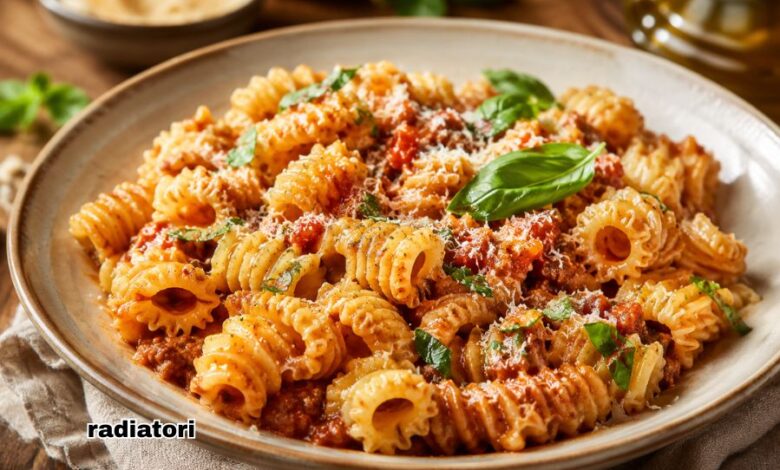
Radiatori is one of those pasta shapes that immediately stands out, not only because of its unusual appearance but also because of how beautifully it performs in a wide range of dishes. At first glance, radiatori looks almost playful, with its short, squat body, hollow center, and rows of ruffled ridges that resemble the metal fins of old-fashioned heating radiators. That resemblance is exactly where the name comes from, and it gives this pasta a unique identity among the many shapes found in Italian cooking. But radiatori is much more than a novelty shape. Its design is practical, clever, and deeply useful in the kitchen. The ridges catch sauce, the hollow center holds moisture and flavor, and the compact size makes it easy to combine with vegetables, meats, cheeses, herbs, and creamy dressings. Whether served hot with a slow-cooked ragù or chilled in a pasta salad, radiatori delivers a satisfying bite that makes even a simple meal feel layered and complete.
What Is Radiatori Pasta?
Radiatori pasta is a short, ridged pasta shape that was designed to resemble a radiator, with stacked frills or fins surrounding a central body. Unlike smooth pasta shapes that rely mainly on surface contact to hold sauce, radiatori has several small pockets, folds, and grooves that trap ingredients. This makes it especially useful for thick sauces, chunky vegetable mixtures, creamy blends, and cheese-based dishes. The shape is usually made from durum wheat semolina, which gives it a firm texture and helps it stay intact during boiling, baking, or mixing. Because radiatori is short and sturdy, it is also easy to eat with a fork, making it practical for family meals, casual dinners, lunch bowls, and buffet-style dishes. It has a cheerful, almost architectural look, but its true strength lies in its ability to bring sauce and pasta together in every bite.
Why Radiatori Is So Good at Holding Sauce
The main reason radiatori is loved by cooks is its excellent sauce-holding ability. Every ridge on the pasta acts like a small shelf, catching bits of tomato, minced meat, grated cheese, herbs, garlic, cream, or olive oil. The hollow center adds another layer of usefulness because it can hold thinner liquids, melted cheese, or broth-like sauces. This combination of external ridges and internal space gives radiatori a strong advantage over many simpler pasta shapes. For example, a smooth tube pasta may allow sauce to slide off, while a flat pasta may not hold chunky ingredients as effectively. Radiatori, on the other hand, grips sauce from multiple angles. This makes it especially satisfying in dishes where texture matters. A spoonful of radiatori with pesto, roasted vegetables, or sausage sauce feels complete because the pasta carries the flavor instead of sitting separately from it.
The Texture and Eating Experience
Texture is one of the biggest pleasures of eating radiatori. Its compact shape gives it a firm, chewy bite, while the ridges add a slightly uneven surface that feels hearty and rustic. When cooked properly, radiatori should be tender but still have enough firmness to resist becoming mushy. This is especially important because the pasta’s shape is detailed, and overcooking can soften the ridges too much. When cooked al dente, radiatori has enough structure to stand up to heavy sauces, melted cheese, baked toppings, and repeated stirring. The ridges also create a pleasing contrast with smooth sauces, making creamy dishes feel less flat. In a pasta salad, the shape adds body and prevents the dish from feeling limp. In baked pasta, the outer ridges can become slightly crisp at the edges, especially when exposed to cheese or breadcrumbs, creating a delicious contrast between soft interior and golden surface.
Best Sauces for Radiatori
Radiatori works beautifully with many sauces, but it shines brightest with sauces that need texture and grip. A rich tomato sauce with garlic, basil, and olive oil clings to the ridges and fills the small spaces between them. A slow-cooked meat ragù is another excellent match because the small pieces of meat settle into the grooves, creating a deeply flavorful bite. Creamy sauces also pair well with radiatori, especially those made with Parmesan, mascarpone, ricotta, or Gorgonzola. The ridges prevent the cream from coating the pasta too thinly, helping each piece feel rich without becoming overwhelming. Pesto is another classic option because the crushed herbs, nuts, cheese, and oil cling naturally to the pasta’s rough surface. Radiatori also works well with chunky sauces made from roasted peppers, eggplant, mushrooms, zucchini, olives, capers, or sun-dried tomatoes. Because the shape is sturdy, it can handle bold ingredients without being overpowered.
Radiatori in Pasta Salads
One of the best uses for radiatori is in pasta salad. Its shape holds dressings extremely well, which means the pasta remains flavorful even after chilling. Many pasta salads suffer because smooth pasta can become dry or bland once refrigerated, but radiatori keeps vinaigrettes, creamy dressings, herbs, and small chopped ingredients tucked into its folds. It pairs well with cherry tomatoes, cucumbers, olives, mozzarella pearls, roasted vegetables, grilled chicken, tuna, beans, and fresh herbs. A lemony olive oil dressing works beautifully because it seeps into the hollow center while coating the ridges. Creamy pasta salads made with yogurt, mayonnaise, sour cream, or soft cheese also benefit from radiatori because the pasta distributes the dressing evenly. For best results, cook radiatori al dente, rinse briefly only if making a cold salad, and toss it with dressing while it is still slightly warm so it absorbs more flavor.
Radiatori in Baked Pasta Dishes
Baked radiatori is hearty, comforting, and ideal for feeding a family or preparing meals ahead of time. The pasta’s compact structure helps it stay firm during baking, while its ridges trap sauce and melted cheese. It works well in tomato-based casseroles with mozzarella, ricotta, and Parmesan, as well as creamy baked dishes with spinach, mushrooms, chicken, or broccoli. Because radiatori has many small spaces, it distributes cheese more evenly than smoother pasta shapes. This means every serving has a balanced mix of pasta, sauce, and filling. To prevent baked radiatori from drying out, it is best to slightly undercook the pasta before combining it with sauce, since it will continue cooking in the oven. A generous amount of sauce is also important because the ridges absorb moisture as the dish bakes. Topping the dish with breadcrumbs, grated cheese, or a drizzle of olive oil can create a golden, flavorful crust.
How to Cook Radiatori Properly
Cooking radiatori pasta is simple, but a few details make a noticeable difference. Use a large pot with plenty of boiling water so the pasta has room to move and cook evenly. Salt the water generously because pasta absorbs seasoning while it cooks, and this is the first step toward a flavorful dish. Stir the pasta shortly after adding it to the pot to prevent pieces from sticking together. Since radiatori has ridges and folds, checking for doneness is important. It should be tender on the outside but slightly firm in the center. Most packages provide a suggested cooking time, but tasting the pasta a minute or two before the listed time is the best method. After draining, avoid rinsing radiatori unless you are making a cold salad. The surface starch helps sauce cling better, which is especially useful for warm dishes. Toss the pasta with sauce immediately so the ridges absorb flavor while still hot.
Ingredients That Pair Well With Radiatori
The strength of radiatori is that it can support many ingredients without losing its identity. It pairs well with proteins such as Italian sausage, ground beef, chicken, pancetta, shrimp, white beans, chickpeas, and lentils. Vegetables also work beautifully, especially those that can be chopped into small pieces and caught in the ridges. Mushrooms, peas, spinach, broccoli, roasted tomatoes, onions, peppers, and zucchini are all excellent choices. For cheeses, Parmesan, Pecorino Romano, mozzarella, ricotta, goat cheese, and fontina all complement the shape. Fresh herbs such as basil, parsley, oregano, thyme, and rosemary can brighten the dish, while chili flakes, black pepper, garlic, and lemon zest add depth. Because radiatori has such a strong structure, it can handle rustic, bold flavors as well as lighter, fresher combinations. This makes it useful across seasons, from cozy winter bakes to bright summer salads.
Why Radiatori Deserves a Place in Your Pantry
Keeping radiatori in your pantry gives you a flexible pasta option that can make ordinary ingredients feel more exciting. Its shape brings visual appeal to the plate, but it also improves the way sauces and toppings are distributed. This makes it helpful for quick weeknight meals when you want maximum flavor without complicated cooking. A simple sauce made with olive oil, garlic, tomatoes, and Parmesan becomes more satisfying when paired with radiatori because the pasta captures every bit of flavor. It is also a smart choice for meal prep because it holds up well after reheating and does not collapse easily in saucy dishes. For families, radiatori is often appealing to children because of its fun shape, while adults appreciate its texture and sauce-gripping power. It is a pasta that feels both practical and special, making it a reliable choice for everyday cooking and casual entertaining.
Common Mistakes to Avoid With Radiatori
Although radiatori pasta is easy to use, a few mistakes can reduce its quality. The first mistake is overcooking it. Because the shape has many ridges, it can become too soft if boiled too long, losing the texture that makes it enjoyable. Another mistake is using too little sauce, especially in baked dishes. Radiatori absorbs and holds sauce well, so it needs enough moisture to remain flavorful. A third mistake is pairing it only with very thin sauces. While it can hold light sauces in its hollow center, radiatori performs best when there is some texture, body, or richness involved. It is also important not to let cooked radiatori sit plain for too long, as the ridges can stick together as the pasta cools. Tossing it quickly with sauce, oil, or dressing helps keep the pieces separate and flavorful.
Conclusion
Radiatori is a pasta shape that proves good design can transform a meal. Its radiator-like ridges, hollow center, and sturdy bite make it one of the best shapes for holding sauces, capturing small ingredients, and adding texture to both hot and cold dishes. It works with tomato sauces, creamy sauces, pesto, ragù, roasted vegetables, cheeses, and protein-rich additions, making it a versatile choice for many kitchens. Whether you are preparing a comforting baked pasta, a fresh pasta salad, or a quick weeknight dinner, radiatori brings flavor and structure to every forkful. Its playful appearance may be what first catches your attention, but its performance in the kitchen is what makes it worth using again and again.
(FAQs)
What is radiatori pasta best used for?
Radiatori is best used for dishes with thick, chunky, creamy, or textured sauces because its ridges and hollow center hold sauce extremely well. It is also excellent in baked pasta dishes and pasta salads.
Is radiatori good for pasta salad?
Yes, radiatori is a great choice for pasta salad because its ridges trap dressing, herbs, cheese, and small vegetables. It stays flavorful even after chilling, especially when tossed with dressing while slightly warm.
What sauces go best with radiatori?
Radiatori pairs well with tomato sauce, meat ragù, pesto, Alfredo-style sauces, cheese sauces, roasted vegetable sauces, and creamy mushroom sauces. It performs especially well with sauces that have body and texture.
How do you keep radiatori from becoming mushy?
Cook radiatori until al dente, taste it before the package time ends, and drain it promptly. For baked dishes, slightly undercook it because it will continue cooking in the oven with the sauce.
Can radiatori replace other pasta shapes?
Yes, radiatori can replace penne, fusilli, rotini, shells, or farfalle in many recipes. It is especially useful when you want a pasta shape that holds more sauce and adds a heartier texture.