Extending a Battersea Flat Taught Me Freeholder Consent Matters as Much as Planning

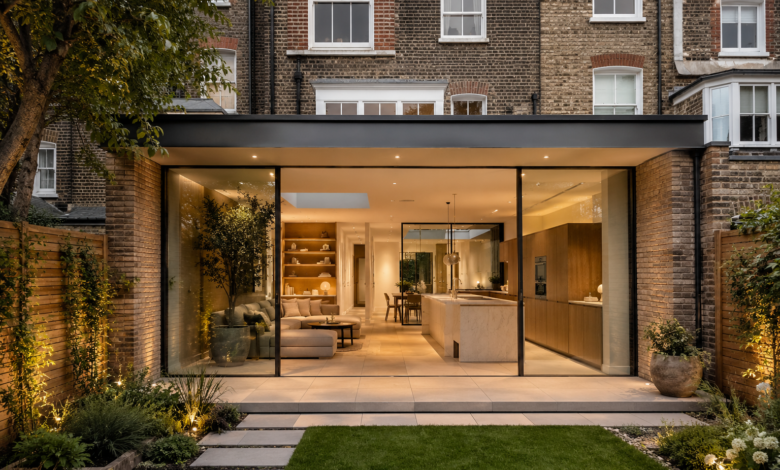
I thought planning permission was my only hurdle. I owned my ground floor flat, the garden was mine on the lease, and I had a clear idea for a rear extension. Then the architects in Battersea I brought in asked a question my excitement had skipped right over. Have you actually checked what your lease allows.
Battersea is full of these converted Victorian houses, split into flats, with long leases and a freeholder somewhere in the background. My garden flat looked like a house from the inside. But legally it was a leasehold flat, and that changes the rules completely when you want to build.
The architect explained that even with planning permission, I couldn’t extend without my freeholders consent. The lease controlled what I could do to the structure and the garden. I had been about to spend money designing something I might not have been allowed to build at all.
The Lease Trap I Walked Into
My lease, like many in Battersea conversions, reserved certain rights to the freeholder. Alterations to the structure, building on the garden, changes to the exterior. All needed formal permission beyond anything the council said.
I genuinely hadn’t considered this. In my head, owning the flat meant I could extend it. The leasehold reality was more complicated, and ignoring it could have left me in breach of my own lease.
A Battersea architect who works on flats sees this constantly. She knew to check the lease before drawing anything, because a lovely design means nothing if the freeholder can simply block it.
Why Flats Are Not Like Houses
This is the part people miss. Extending a flat is a different legal animal from extending a house. Permitted development rights, the shortcut many homeowners lean on, don’t apply to flats at all.
So every flat extension needs full planning permission, no exceptions. On top of that sits the lease and the freeholder consent. Two separate hurdles, both essential, neither one optional.
My architect mapped out both from the start. The planning route through Wandsworth council, and the freeholder consent through my lease. We tackled them in parallel rather than discovering the second one halfway through.
Getting the Freeholder On Side
The freeholder consent turned out to be manageable once it was handled properly. My architect prepared clear drawings and a sensible proposal that didn’t threaten the building or the other flats above me.
A reasonable, well presented scheme is far easier for a freeholder to approve than a vague or aggressive one. Mine wanted reassurance that the structure stayed sound and the upstairs flats weren’t affected. The drawings answered those worries before they were even raised.
Having an architect who had done this before made the conversation calm rather than confrontational. She spoke the freeholders language, addressed the structural concerns, and kept everything professional.
The Structural Side of a Flat Extension
Building off a converted house brings its own structural questions. The flats above mine relied on the existing walls, so anything I altered downstairs had to account for them.
The architect coordinated the structural design carefully so my extension did not undermine the homes above. This mattered to the freeholder and to the neighbours, and it mattered to building control.
A well planned single storey extension on a ground floor flat can work beautifully, but only when the structure respects everything sitting on top of it. That coordination was central to the whole design.
Keeping the Neighbours Comfortable
In a converted house, your neighbours are right above you, sharing the building. Their goodwill matters, both for the freeholder consent and for daily life once the work starts.
My architect suggested keeping the upstairs residents informed throughout. What the work involved, how long it would take, how disruption would be managed. People object far less when they feel considered.
It paid off. The neighbours raised no objections, the freeholder was satisfied they were happy, and the whole thing stayed friendly. In a shared building, that matters as much as any drawing.
What the Finished Flat Gained
The approved extension opened up my ground floor into a bright kitchen and living space leading to the garden. The flat finally felt like the house it resembled from inside.
It added real value too. A ground floor garden flat with a proper extension is highly sought after in Battersea, and the work paid for itself in the increase.
To know more about the london loft conversion architects, kindly read more.
But none of it would have happened if I had ignored the lease. The planning was only half the battle. The freeholder consent was the other half, and I would have missed it entirely.
What to Check Before Extending a Battersea Flat
Read your lease before you do anything else. Look for what it says about alterations, the structure, and building on the garden. Assume you need freeholder consent until proven otherwise.
Remember that permitted development does not apply to flats, so full planning permission is always required. Budget the time for both the council and the freeholder.
Six to eight months from that first lease question to a finished flat extension I love. I walked in worried about planning. The real lesson was that owning a flat in Battersea comes with a freeholder who has a say too. Get them on side early, and the rest follows.