Real Grass vs Artificial Grass: Which Is Better for Busy Homeowners?

A green lawn can make any home feel more inviting, but keeping it that way is not always simple. For busy homeowners, lawn care can quickly become another task on an already full list. Mowing, watering, edging, feeding, reseeding, and dealing with muddy patches all take time. When work, family, pets, and daily responsibilities come first, the garden can easily become difficult to manage.
This is why many people compare real grass with artificial grass before changing their outdoor space. Both options have benefits, but the better choice often depends on how much time, effort, and maintenance a homeowner is willing to commit.
The Appeal of Real Grass
Real grass has a natural look, feel, and scent that many people enjoy. It changes with the seasons and can support a traditional garden style. For homeowners who enjoy gardening, maintaining a natural lawn can feel rewarding.
A healthy real lawn can look beautiful, especially during spring and early summer. It can also help soften the overall garden design and create a pleasant space for relaxing outdoors.
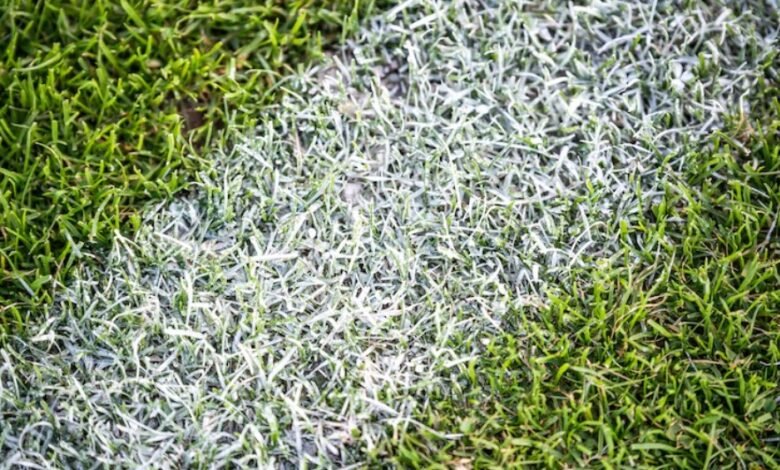
However, real grass only stays attractive when it receives regular care. Without mowing, watering, feeding, and repair, it can become patchy, uneven, or overgrown. For homeowners who do not have much spare time, this can become a problem.
The Maintenance Real Grass Needs
A natural lawn needs attention throughout the year. During warmer months, it may need mowing every week. In dry weather, it may need watering to prevent yellow patches. In autumn, leaves need clearing to stop the grass from becoming damp and weak.
There are also seasonal jobs such as aerating, feeding, scarifying, and reseeding. If the lawn is used by children, pets, or regular foot traffic, worn areas may need even more repair.
This level of care can be difficult for people with busy schedules. Even a small lawn can take more time than expected, especially when the weather changes or weeds start to spread.
Why Artificial Grass Appeals to Busy Homeowners
Artificial grass is popular because it removes many of the regular jobs linked to lawn care. It does not need mowing, watering, feeding, or reseeding. Once installed properly, it stays green and tidy with basic upkeep.
For homeowners who want a neat garden without spending weekends on maintenance, realistic artificial grass can offer a practical solution. It gives the appearance of a lawn while reducing the time and effort needed to keep it presentable.
This is especially useful for families, working professionals, elderly homeowners, landlords, and anyone who wants an outdoor space that looks good without constant attention.
Appearance Through the Seasons
One of the biggest differences between real and artificial grass is how each one looks throughout the year. Real grass changes with the weather. It may grow quickly in spring, dry out in summer, become muddy in winter, or struggle in shaded areas.
Artificial grass stays consistent. It remains green in dry spells, wet weather, and colder months. For homeowners who want a year-round green garden, this can be a major advantage.
A consistent lawn can also improve the look of the whole outdoor space. It creates a tidy base for patios, borders, garden furniture, children’s toys, and plant pots.
How Each Lawn Handles Mud and Wear
Real grass can struggle when used heavily. Children playing, pets running, garden furniture, and regular walking can all create worn patches. After rain, these areas can become muddy and slippery.
Artificial grass is better suited to regular use because it does not turn into mud. With the right base and drainage, rainwater can pass through the surface, helping the garden stay cleaner and more usable.
This makes artificial grass especially helpful for homes where the garden is used often. Busy families may find it easier to keep the outdoor space clean, especially during wet seasons.
Cost and Long-Term Value
Real grass may seem cheaper at first, especially if a garden already has a lawn. However, ongoing costs can add up over time. Lawn mowers, water usage, fertilisers, weed treatments, repair products, and maintenance tools all contribute to the overall cost.
Artificial grass usually has a higher upfront cost because of the product and installation. However, it can reduce long-term maintenance costs and save time year after year.
For many busy homeowners, the value is not only financial. The real benefit is having a garden that looks neat without needing constant work.
Cleaning and Everyday Care
Artificial grass is not completely maintenance-free, but it is much easier to manage than natural turf. Leaves and debris should be removed, and the grass may need brushing occasionally to keep the fibres looking fresh. If pets or children use the space, rinsing the surface when needed can help keep it clean.
Simple artificial grass maintenance tips include removing debris regularly, brushing high-use areas, rinsing spills, and checking that drainage remains clear. These small tasks are usually quicker and easier than mowing, watering, and repairing a real lawn.
For homeowners who want a practical garden routine, this reduced upkeep is one of the strongest reasons to choose artificial grass.
Which Option Is Better?
Real grass may be the right choice for people who enjoy gardening, have time for maintenance, and prefer a fully natural lawn. It works well when the garden has good sunlight, drainage, and regular care.
Artificial grass is often better for busy homeowners who want a clean, green, and reliable outdoor space with less effort. It is useful for families, pet owners, smaller gardens, shaded areas, and properties where lawn care is difficult to keep up with.
The best choice depends on lifestyle. If someone enjoys lawn care, real grass can be rewarding. If they want a garden that stays neat with minimal work, artificial grass is usually the more practical option.
Final Thoughts
Real grass and artificial grass both have their place, but busy homeowners often need a solution that fits around daily life. A natural lawn can look beautiful, but it needs regular care to stay healthy. Artificial grass offers a cleaner and lower-maintenance alternative that remains green throughout the year.
For homeowners who want to spend more time enjoying their garden and less time maintaining it, artificial grass can be the better long-term choice.