Albumīns: Why This Quiet Blood Protein Says So Much About Your Health

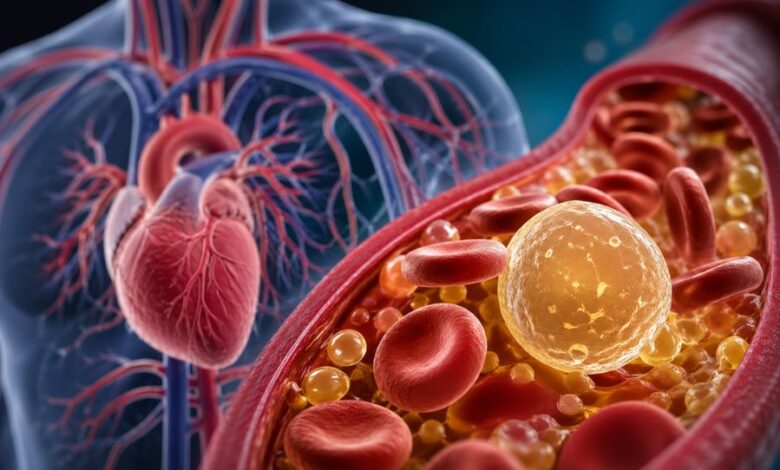
When people first notice Albumīns on a blood report, the word can seem technical, distant, and easy to ignore. Yet this single protein carries enormous importance inside the human body. In standard medical English, Albumīns is called albumin, and it is made by the liver before being released into the bloodstream. From there, it performs some of the body’s most essential background work. It helps keep fluid from leaking out of blood vessels, carries important substances such as hormones and vitamins, and gives doctors valuable insight into how the liver, kidneys, and nutritional state are functioning. That is why albumin is not merely a lab number. It is one of the clearest signs of whether the body is maintaining its inner balance properly.
What Is Albumīns?
Albumīns is one of the main proteins in blood plasma, the liquid portion of blood. Its importance lies not in glamour but in reliability. Day after day, it supports circulation, keeps fluid in the right place, and acts as a carrier for many substances that the body needs to move from one place to another. Medical sources describe albumin as a major regulator of plasma oncotic pressure, which is the force that helps keep water inside blood vessels instead of allowing it to drift too freely into surrounding tissues. At the same time, albumin transports compounds such as bilirubin, ions, fatty acids, hormones, vitamins, enzymes, and certain drugs. In simple words, it is both a fluid balancer and a transport vehicle.
This dual role explains why albumin matters so much in medicine. If a person has too little of it, the body may struggle not only with fluid control but also with the movement of substances through the bloodstream. That is why doctors do not view Albumīns as an isolated figure. They see it as part of a wider story involving the liver, which makes it, the kidneys, which should keep it in the blood, and the person’s overall health, including inflammation, hydration, nutrition, and chronic illness. Even before symptoms become dramatic, albumin can quietly suggest that something deeper deserves attention.
Why the Body Needs Albumīns Every Day
The body depends on Albumīns because blood vessels are not meant to leak fluid freely into the body’s tissues. Albumin helps maintain that delicate balance. MedlinePlus explains that when there is not enough albumin, fluid can leak out of blood vessels and build up in places such as the lungs, abdomen, or other body tissues. StatPearls makes the same point from a physiological angle, noting that reduced albumin lowers the osmotic “pull” that keeps fluid inside capillaries, allowing more of it to move into surrounding spaces. This is one reason low albumin is often associated with swelling, puffiness, or oedema. The change may begin subtly, but the mechanism behind it is powerful.
Albumin is also vital because the body is constantly transporting substances that cannot simply float unsupported in the bloodstream. Hormones, vitamins, fatty acids, bilirubin, and certain medicines often rely on albumin for movement and distribution. This makes albumin more than a structural protein. It is an active participant in how the body circulates important materials. When doctors interpret albumin levels, they are therefore considering more than fluid status alone. They are also considering how well the body is managing some of its most basic internal logistics. A normal level often suggests that these systems are functioning with reasonable stability. An abnormal level can signal disruption.
What Low Albumīns Can Mean
Low Albumīns usually attracts more clinical attention than high albumin because it can point toward several significant health problems. According to MedlinePlus, lower-than-normal albumin in blood may be linked with liver disease, kidney disease, malnutrition, infection, certain digestive diseases involving poor protein use or absorption, extensive burns, and even some thyroid disorders. The reason is clear: if the liver is damaged, it may not produce enough albumin; if the kidneys are damaged, they may allow albumin to pass from the blood into the urine; if nutrition is poor or the digestive system is not absorbing protein properly, the body’s protein balance may suffer. In short, low albumin is not one disease. It is a signpost pointing toward possible underlying causes.
This is also why low albumin should never be interpreted casually. A person might assume it only means “eat more protein,” but the medical picture is often more complex. Poor nutrition can certainly contribute, yet many people with low albumin are dealing with broader issues such as kidney loss, chronic inflammation, liver damage, or ongoing illness. In hospital medicine, hypoalbuminemia is taken seriously enough that it is used as a marker associated with worse illness severity and poorer outcomes, especially in critically ill patients. That does not mean every low result is an emergency. It means the number deserves context, medical interpretation, and attention to the deeper cause rather than a quick assumption.
What Symptoms May Appear When Albumīns Is Low?
Many people expect every abnormal lab result to come with a clear, dramatic symptom. Albumīns does not always work that way. Sometimes the symptoms come less from albumin itself and more from the disorder behind it. MedlinePlus notes that when albumin is low because of liver or kidney problems, people may have fatigue, weakness, loss of appetite, swelling in the ankles and legs, puffy eyelids, changes in urination, itching, or shortness of breath, depending on the underlying condition. Low albumin may also be associated with swelling in the abdomen or lungs because fluid is less effectively held inside blood vessels. In that sense, albumin is both a clue and a consequence. It reflects illness, and in some cases it also contributes to physical discomfort.
The most important point is that albumin results do not diagnose a condition by themselves. MedlinePlus states clearly that an albumin blood test alone cannot make a diagnosis. Doctors usually interpret it alongside other findings, such as liver enzymes, kidney tests, total protein, and the patient’s symptoms and medical history. That is why the same albumin value may mean different things in different people. One person may be dehydrated. Another may have liver disease. A third may be dealing with kidney damage or inflammation. The number opens the conversation, but it does not finish it.
What High Albumīns Usually Means
High Albumīns is generally less mysterious. MedlinePlus identifies dehydration as the usual explanation for higher-than-normal albumin levels in blood. In practical terms, this means the blood has become more concentrated because the body has lost too much fluid or has not taken in enough. Severe diarrhoea and other conditions causing fluid loss can contribute. Importantly, high albumin does not usually mean the liver has suddenly started overproducing protein in a dangerous way. More often, it reflects the body’s fluid status at that time. Even so, the result still needs proper interpretation, because medicines and testing circumstances can affect albumin levels, and what appears “high” in one context may be less significant in another.
This is another reason health professionals do not judge albumin results in isolation. Lab values must be read with the person’s symptoms, hydration, medications, and other test findings in mind. MedlinePlus notes that certain medicines, including steroids, insulin, and hormones, can increase albumin levels, while fasting, pregnancy, and some medicines may lower them. So while albumin is an excellent marker, it is still part of a wider clinical picture. Good medicine depends not only on numbers, but on what those numbers mean in a real human situation.
Why Doctors Test Albumīns So Often
Doctors check Albumīns because it offers a broad view of health. MedlinePlus says the albumin blood test is used to assess general health, nutrition, and how well the liver and kidneys are working. It is commonly included in a liver panel or a comprehensive metabolic panel, which means many people have their albumin checked during routine care without even realising it. Doctors may also use it to monitor ongoing treatment for liver disease, kidney disease, or other disorders that can affect protein levels. This makes albumin one of those useful medical measurements that appears simple on paper but carries wide diagnostic value.
Albumin is also closely connected to kidney screening in another way: it can be measured in urine. MedlinePlus explains that very little albumin should pass into urine if the kidneys are healthy. When abnormal amounts appear there, it may be an early sign of kidney disease, especially in people at higher risk such as those with diabetes or high blood pressure. That is why an abnormal blood albumin result sometimes leads doctors to look more closely at the kidneys, and why urine albumin testing is an important tool in early detection. Albumin, therefore, is not only a marker in the blood. It is also part of how medicine watches for kidney damage before symptoms become obvious.
Albumīns, Nutrition, and the Bigger Meaning of Balance
There is something quietly remarkable about Albumīns: it reflects the body’s inner balance better than many people realise. It is tied to the liver’s ability to produce protein, the kidneys’ ability to preserve it, the digestive system’s ability to support nutrition, and the body’s ability to manage fluid properly. When doctors say albumin can help assess overall health, they are recognising this broad connection. It stands at the meeting point of metabolism, organ function, hydration, inflammation, and resilience. That is what gives it lasting importance in both routine and serious medical care.
Conclusion
Albumīns may look like just another term on a blood test, but it carries deep medical significance. Made by the liver and preserved by healthy kidneys, it helps keep fluid where it belongs, transports essential substances, and reflects how well the body is coping with illness, nutrition, and hydration. Low levels may point toward liver disease, kidney disease, malnutrition, infection, or digestive problems. High levels most often suggest dehydration. Most importantly, albumin gives doctors a steady and meaningful glimpse into the body’s overall condition. That is why Albumīns is far more than a laboratory number. It is a quiet but powerful indicator of the body’s internal harmony, and when it changes, it often tells an important story worth understanding.
(FAQs)
What is Albumīns in simple words?
Albumīns is a protein made by the liver that circulates in the blood. It helps keep fluid inside blood vessels and carries important substances such as hormones, vitamins, and some medicines around the body.
Is Albumīns the same as albumin?
Yes. Albumīns is a spelling variation, while albumin is the standard medical English term used in most lab reports and medical references. The protein being discussed is the same.
What causes low Albumīns?
Low albumin can be linked with liver disease, kidney disease, malnutrition, infection, digestive disorders that affect protein absorption, burns, and some other medical conditions.
Does high Albumīns always mean a serious disease?
Not usually. High albumin most often points to dehydration or fluid loss rather than a serious disease involving albumin itself.
Can an albumin test diagnose a disease by itself?
No. An albumin test is useful, but it cannot diagnose a condition on its own. Doctors read it together with symptoms, medical history, and other lab tests