Ukulele History: The Inspiring Journey of Hawaii’s Beloved Instrument

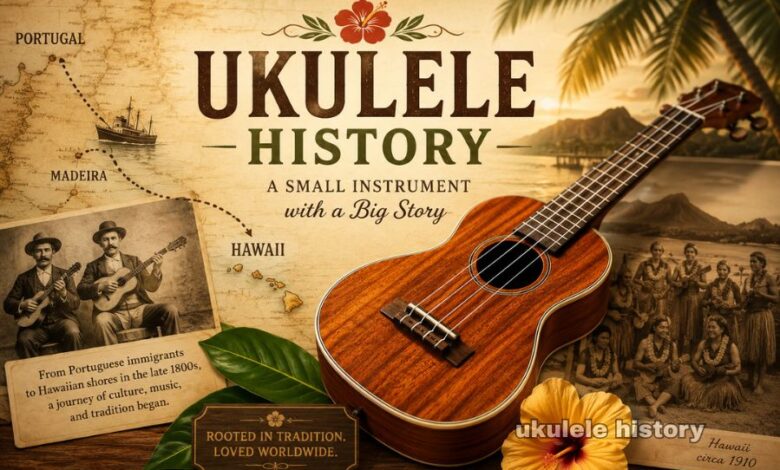
The story of ukulele history is much more than the story of a small musical instrument. It is a tale of migration, cultural exchange, creativity, and identity. Today, the ukulele is widely recognised for its bright tone, compact size, and friendly character, but its past is layered with tradition and transformation. Many people think of the ukulele as purely Hawaiian, and while Hawaii gave the instrument its soul and global image, its earliest beginnings were connected to Portuguese immigrants who carried small stringed instruments across the sea in the nineteenth century. What happened after that is one of the most interesting journeys in music history. The ukulele became more than a simple adaptation of an earlier instrument. It grew into a symbol of Hawaiian culture, a favourite of entertainers, a teaching tool for beginners, and eventually a worldwide icon of joy and musical simplicity. To understand why it still captures hearts today, it is important to look closely at how it began, how it changed, and why its appeal has lasted for generations.
The Portuguese Roots Behind Ukulele History
A proper understanding of ukulele history begins in Portugal, especially on the island of Madeira. In the late nineteenth century, many Portuguese immigrants travelled to Hawaii in search of work, especially in the sugar plantation industry. Among the things they brought with them were small string instruments such as the machete, the rajão, and the braguinha. These instruments were lightweight, portable, and used for folk music, celebrations, and social gatherings. Their sound and structure strongly influenced what would later become the ukulele. When these immigrants arrived in Hawaii, local people quickly noticed both the unusual look and lively sound of these instruments. The music felt cheerful, rhythmic, and fresh. The instrument was small enough to be played easily, yet expressive enough to support singing and dance. The meeting of Portuguese craftsmanship and Hawaiian musical culture created the foundation of something new. This origin is important because it shows that the ukulele was born from cultural blending rather than isolation. Its story is a reminder that music often grows strongest where traditions meet and evolve together.
How the Ukulele Found Its Hawaiian Identity
Although the roots of the instrument came from Portuguese migrants, Hawaii is where the ukulele truly became itself. Hawaiian musicians did not simply copy the earlier European instruments. They adapted them, shaped them, and made them part of local musical life. The instrument became tied to Hawaiian language, song, hula, and community gatherings. Even its name reflects its Hawaiian identity. The word ukulele is often translated as “jumping flea,” a description many people believe refers to the fast movement of a player’s fingers across the strings. Whether taken literally or symbolically, the name helped give the instrument a distinct personality that separated it from its ancestors. As Hawaiian players embraced it, the ukulele became linked with warmth, celebration, and island expression. Its voice fit beautifully with traditional Hawaiian melodies and vocal styles. Over time, it moved from being a curious imported object to becoming one of the most recognisable features of Hawaiian musical culture. This stage in ukulele history is perhaps the most important, because Hawaii gave the instrument not only popularity, but also character, meaning, and a lasting emotional identity.
Royal Support and Early Growth in Hawaii
One of the key reasons the ukulele gained status so quickly in Hawaii was its acceptance among the Hawaiian royal court. King Kalākaua, known for supporting the arts and encouraging the revival of Hawaiian culture, played a major role in elevating music and performance traditions. During his reign, Hawaiian music flourished, and the ukulele benefited from this environment. It appeared in royal gatherings, celebrations, and performances, which gave it both prestige and visibility. Once an instrument is embraced by influential cultural figures, its path often becomes much stronger, and that is exactly what happened here. Craftsmen in Hawaii began making their own versions, refining the shape and tuning. Musicians used it in both traditional and modern ways, allowing it to grow across classes and communities. The ukulele was no longer just a novelty. It was becoming part of everyday life and ceremonial life at the same time. This balance between simplicity and significance helped build the instrument’s long-term power. It could belong to ordinary people, yet still appear in important cultural spaces, which made it especially beloved.
Why the Instrument Became So Popular
The popularity of the ukulele did not happen by accident. Its design made it naturally welcoming. It was small, easy to carry, and less intimidating than larger string instruments like the guitar. For beginners, it offered a practical starting point because simple chords could produce pleasant music quickly. For experienced musicians, it offered charm, rhythm, and flexibility. This dual appeal helped the instrument travel beyond Hawaii and reach wider audiences. Another reason the ukulele became so loved is its sound. It has a light, bright, and sweet tone that feels emotionally open. Even when played simply, it creates an atmosphere of warmth and ease. That quality made it ideal for homes, schools, casual performances, and entertainment venues. In the story of ukulele history, this accessibility matters a great deal. Instruments survive not only because they are beautiful, but because people can live with them. The ukulele invited people in rather than shutting them out. It did not demand virtuosity before giving pleasure. Instead, it rewarded even basic playing with a cheerful sound, which helped generations of players form an immediate bond with it.
The Spread of the Ukulele Beyond Hawaii
As Hawaiian culture began attracting interest from the American mainland and beyond, the ukulele travelled with it. Performers, exhibitions, and touring musicians introduced audiences to Hawaiian music, and the instrument quickly found admirers. In the early twentieth century, the ukulele became part of a broader fascination with Hawaiian style, especially in the United States. Its popularity rose through stage performances, recordings, printed sheet music, and public entertainment. It became fashionable in homes and music circles, and manufacturers outside Hawaii started producing it for a growing market. This period marked a major turning point in ukulele history, because the instrument was no longer limited to its birthplace. It had become international. People were drawn not just to its sound, but also to the relaxed and joyful image it carried. For many audiences, the ukulele represented escape, sunshine, leisure, and emotional lightness. Even when this image simplified Hawaiian culture, it also helped the instrument spread rapidly. The ukulele was no longer merely a local treasure. It was entering global popular culture and beginning a new chapter of fame.
The Ukulele in Entertainment and Popular Music
Over the years, the ukulele found a comfortable home in entertainment. It appeared in radio shows, films, vaudeville acts, and later television performances. Because it was visually appealing and instantly recognisable, it worked well in public performance. Its small size made it memorable on stage, and its lively tone suited comic, romantic, and light-hearted musical settings. However, the instrument should not be dismissed as only playful. Many serious musicians used it to create expressive, technically strong performances. In different periods, the ukulele has moved between novelty and artistry, but it has never fully disappeared. That endurance is a sign of strength. In modern times, artists have continued to revive and reinterpret it, introducing it to new generations. Social media, online music lessons, and independent performers have further expanded its audience. What makes this section of ukulele history especially interesting is that the instrument has repeatedly adapted to changing musical trends. Rather than remaining trapped in the past, it has continued to reinvent itself while holding onto its friendly core identity.
Craftsmanship, Types, and Musical Evolution
As the instrument grew in popularity, it also developed in form. Different sizes emerged, including soprano, concert, tenor, and baritone ukuleles, each with its own feel and tonal range. Traditional craftsmanship remained highly valued, especially in Hawaii, where builders focused on wood quality, balance, and resonance. At the same time, factory-made instruments helped make the ukulele affordable and widely available. This combination of artistry and mass access allowed the instrument to serve different audiences at once. Some players sought beautifully handmade instruments with rich tonal character, while others simply wanted a reliable and affordable way to learn music. The evolution of tuning styles, playing techniques, and performance approaches also added depth to the instrument’s identity. From simple strumming to fingerpicking and advanced solo arrangements, the ukulele proved far more versatile than some people expected. This musical growth has helped correct the old misconception that it is only a toy or beginner’s instrument. In truth, ukulele history shows an instrument that began modestly but developed remarkable artistic range over time.
Why Ukulele History Still Matters Today
The reason ukulele history continues to matter is that it speaks to larger themes beyond music. It tells us how culture can travel, mix, and create something original. It shows how an instrument can carry both local identity and global appeal. It also reminds us that simplicity should never be underestimated. In a world where many instruments and technologies can feel complex or intimidating, the ukulele remains approachable without losing beauty. It still introduces children to music, supports songwriting, enriches classrooms, and appears in professional performance. Most importantly, it continues to bring people together. Whether played on a beach, in a school hall, in a living room, or on an international stage, it creates connection. That is one of the deepest lessons within its history. The ukulele did not become beloved only because of where it came from. It became beloved because of what it does to people. It relaxes them, encourages them, and gives them a simple but meaningful way to make music.
Conclusion
The journey of ukulele history is a beautiful example of how music can cross oceans and become part of a new cultural home. What began with Portuguese immigrants bringing small stringed instruments to Hawaii eventually grew into one of the world’s most recognised and loved instruments. Hawaii shaped the ukulele’s identity, gave it emotional meaning, and shared it with the wider world. From royal courts and island gatherings to classrooms, concerts, and digital platforms, the ukulele has remained relevant through its warmth, accessibility, and unmistakable sound. Its story is not only about wood and strings, but about people, movement, creativity, and tradition. That is why the ukulele continues to shine as more than a musical object. It stands as a lasting symbol of joy, cultural fusion, and the timeless human love for song.
(FAQs)
What is the origin of the ukulele?
The ukulele originated in Hawaii, but its earliest influence came from small Portuguese string instruments brought by immigrants from Madeira in the late nineteenth century. Hawaiian musicians adapted those instruments and created what became the modern ukulele.
Why is the ukulele associated with Hawaii?
The ukulele is strongly associated with Hawaii because it was developed, named, and culturally embraced there. Hawaiian musicians made it an important part of local music, celebrations, and identity.
What does the word ukulele mean?
The word ukulele is commonly translated as “jumping flea.” Many people believe this refers to the quick movement of a player’s fingers while strumming or picking the strings.
Why did the ukulele become so popular?
The ukulele became popular because it is small, easy to learn, affordable, and produces a bright, pleasant sound. Its friendly nature made it attractive to both beginners and experienced musicians.
Is the ukulele only a beginner’s instrument?
No, the ukulele is not only for beginners. While it is easy to start with, it is also capable of advanced playing styles, complex arrangements, and professional performance, which proves its musical depth and versatility