Blooket Bot: The Complete Guide to Understanding Its Role Risks and Reality in Online Classrooms

Online education has rapidly evolved from static worksheets and video lectures into immersive, game-based experiences that keep students actively engaged. Platforms that combine quizzes with interactive competition have become essential tools for modern classrooms, and Blooket is among the most widely used. Teachers appreciate its simplicity, while students enjoy the excitement of earning points, unlocking rewards, and competing with classmates. As with any popular digital platform, however, new trends and tools quickly emerge around it. One term that frequently appears in online searches is blooket bot. Many people encounter this phrase through social media, forums, or classmates discussing ways to influence games. Understanding what a blooket bot actually is — and separating myth from reality — is important for maintaining a positive learning experience.
What Is a Blooket Bot?
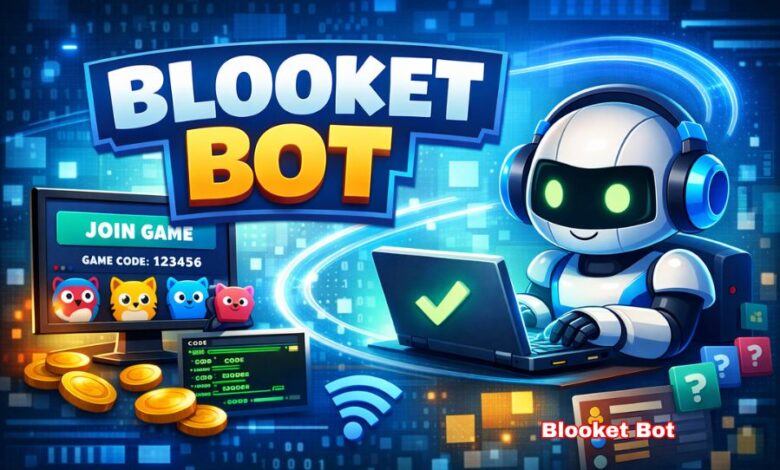
A blooket bot generally refers to an automated script or program designed to join or interact with a Blooket game session without human input. Instead of a student manually entering a game code and username, the bot performs these steps automatically. In many discussions, bots are associated with creating multiple artificial players that appear in the lobby at once. Each automated entry can have a unique name, making it difficult to distinguish from real participants. These tools are not created or endorsed by Blooket itself; they originate from third-party developers experimenting with automation techniques. While the concept may sound technical, the idea is straightforward: a bot imitates the behavior of a human player through programmed instructions.
How a Blooket Bot Functions Technically
Behind the scenes, a blooket bot operates by simulating communication between a web browser and the game server. When a legitimate player joins a session, their device sends data confirming the game code and username. A bot automates this process by sending repeated digital requests that mimic those actions. Many scripts are written in JavaScript, a language commonly used for web interactions, because it can run directly within a browser environment. Some versions generate random usernames to appear realistic, while others allow custom naming. More advanced bots may attempt to automate answering questions, though most simply create fake participants. The key mechanism is automation: replacing human clicks and typing with programmed commands executed rapidly and repeatedly.
Why the Term Blooket Bot Is So Popular Online
The popularity of the phrase blooket bot is largely driven by curiosity and online culture. Students often encounter references through videos, memes, or discussions about gaming tricks. For some, the interest stems from fascination with programming and how digital systems can be manipulated. Others may view bots as a prank tool for casual games among friends outside formal classroom settings. Viral content tends to exaggerate capabilities, which further fuels searches. Importantly, not everyone who searches for the term intends to use such tools; many simply want to understand what they are and whether they are real. The widespread attention reflects how deeply digital platforms are integrated into student life.
Effects on Fairness and Competition
Blooket is designed to reward knowledge, speed, and participation. When automated players enter a session, the balance of competition can change. Artificial participants may crowd leaderboards, interfere with scoring, or create confusion about who is actually winning. Real students may feel discouraged if the game appears manipulated or chaotic. Fairness is a cornerstone of educational games because it motivates students to try their best. If that sense of fairness is compromised, engagement can decline quickly. Teachers rely on these platforms to reinforce learning objectives, so maintaining a level playing field is essential.
Impact on Teachers and Classroom Management
From a teacher’s perspective, managing a session affected by a blooket bot can be challenging. Unexpected surges in player numbers may signal that something unusual is happening, but identifying the source is not always easy. Instructors may need to pause the activity, remove suspicious users, or restart the game entirely. This interrupts lesson flow and consumes valuable instructional time. Younger students, in particular, may become confused or distracted by unfamiliar names appearing on screen. What was intended as a fun review activity can quickly turn into a technical troubleshooting exercise, reducing its educational value.
Technical Performance and Stability Issues
Large numbers of automated entries can strain system resources, potentially causing lag or delays. While robust platforms are built to handle many users, sudden spikes generated by automation can still impact performance. Slower devices or limited internet connections may amplify these effects, especially in school environments with shared bandwidth. Smooth gameplay depends on stable communication between devices and servers, and excessive automated traffic can disrupt that stability. Even minor delays can reduce the sense of immediacy that makes interactive learning effective.
Ethical Questions Surrounding Automation
The discussion around blooket bot usage often leads to broader conversations about ethics in digital spaces. Schools emphasize honesty, respect, and responsible behavior, both offline and online. Using automation to manipulate or disrupt activities conflicts with these principles. Educators frequently use such situations as teaching moments about digital responsibility, helping students understand that technology should enhance learning rather than undermine it. Developing ethical judgment in technology use is a crucial skill for the modern world, where digital tools influence nearly every aspect of daily life.
Platform Policies and Protective Measures
To maintain a fair environment, educational platforms implement safeguards against misuse. These may include monitoring unusual activity patterns, limiting the number of participants, or providing hosts with moderation controls. Teachers can often remove unwanted players, lock sessions, or restart games to restore normal conditions. Developers continuously refine these protections as technology evolves. The goal is not only to prevent disruption but also to preserve trust among users. When students and educators feel confident that a platform is secure, they are more likely to embrace it as a reliable learning tool.
Turning Curiosity Into Learning Opportunities
Interestingly, the curiosity surrounding blooket bot technology can be redirected toward positive outcomes. Students interested in how bots work often have genuine enthusiasm for computer science. Teachers and parents can encourage this interest by introducing coding courses, robotics programs, or cybersecurity basics. Understanding how automation functions in a legitimate context builds valuable skills and critical thinking. Rather than viewing bots solely as disruptive tools, they can serve as examples of how programming can automate tasks — a concept widely used in professional software development.
Positive Ways to Engage With Educational Technology
There are many constructive alternatives to experimenting with questionable scripts. Students can create their own quizzes, design educational games, or collaborate on digital projects that benefit classmates. Participating in coding competitions, online learning communities, or school technology clubs provides opportunities to apply technical curiosity productively. These activities foster creativity, teamwork, and problem-solving skills while reinforcing the idea that technology is a tool for innovation rather than disruption.
The Future of Interactive Classroom Platforms
Gamified learning platforms like Blooket represent a broader shift toward interactive education. As technology advances, features such as adaptive learning algorithms, real-time analytics, and collaborative multiplayer modes will continue to evolve. Ensuring fairness and security will remain a priority as these systems grow more sophisticated. The conversation about blooket bot tools highlights the importance of balancing accessibility with protection. Ultimately, the success of digital education depends on cooperation among developers, educators, students, and parents.
Conclusion
The concept of a blooket bot reflects the complex intersection of technology, curiosity, and education in the digital age. At its core, a blooket bot is an automated program that imitates human participation in a game session. While technically intriguing, its presence can disrupt gameplay, affect fairness, and reduce the effectiveness of educational activities. Understanding what these tools are — and why they attract attention — empowers users to make informed choices. Instead of viewing bots as shortcuts or entertainment, it is far more beneficial to focus on responsible technology use that supports learning. When used as intended, platforms like Blooket can continue to inspire engagement, collaboration, and academic growth in classrooms worldwide.
(FAQs)
What exactly does a blooket bot do?
A blooket bot typically automates joining a game session or simulates player actions without human involvement.
Are blooket bots officially supported by Blooket?
No, they are third-party tools and not part of the official platform features.
Can bots interfere with real students’ gameplay?
Yes, automated participants can affect fairness, performance, and the overall experience.
Why are students interested in blooket bots?
Curiosity about coding, online trends, and digital experimentation are the most common reasons.
What is a better alternative for tech-interested students?
Learning programming, cybersecurity, or game development provides valuable skills without disrupting others