Prasanja za Bugarski Pasos: Complete Guide to Interview Questions, Answers and Smart Preparation

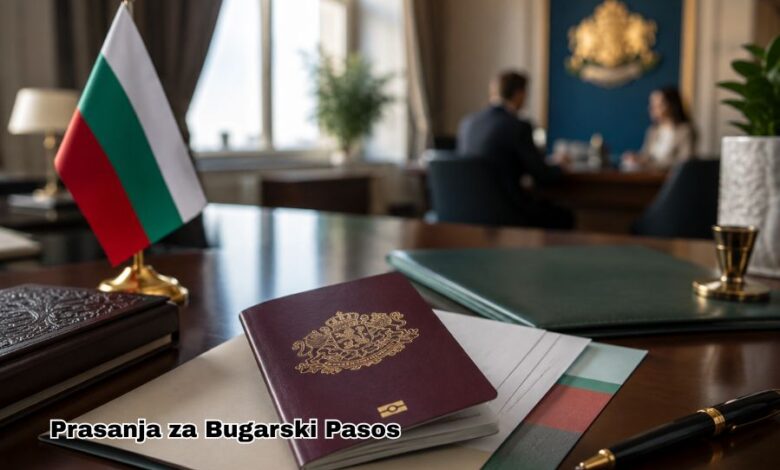
For many applicants from North Macedonia and other Balkan countries, prasanja za bugarski pasos are one of the most important parts of the Bulgarian citizenship process. The phrase simply refers to the questions asked during the Bulgarian passport or citizenship interview, but in practice it means much more than a short conversation. It is a stage where officials may check whether the applicant understands their background, family origin, personal documents, connection to Bulgaria, and basic reasons for applying. Many people spend months collecting certificates, translating documents and arranging appointments, yet they enter the interview without enough preparation. This can create nervous answers, confusion, and sometimes delays in the case. A Bulgarian passport can bring wider travel freedom, access to European Union rights, and better work or study opportunities, but the process needs patience and careful attention. Preparing for the interview does not mean memorising fake answers. It means understanding your own application, speaking honestly, and giving clear replies that match the documents you have already submitted.
Why Prasanja za Bugarski Pasos Matter in the Citizenship Process
The interview is important because it allows the authorities to compare your spoken answers with your written application. When a person applies for citizenship, the file usually contains birth certificates, family records, proof of origin, identity documents, translations, legal statements, and other supporting papers. During the interview, officials may ask questions to confirm that the applicant knows the details in these documents and is not applying with unclear or inconsistent information. This is why Bulgarian citizenship interview questions can affect the speed and strength of the application. A confident applicant who gives simple and consistent answers usually creates a better impression than someone who changes dates, forgets family names, or gives answers that do not match the file. The purpose is not usually to trick the applicant, but to confirm identity, origin, intention and basic awareness. Many delays happen when applicants treat the interview as a formality. In reality, it is a serious part of the process and should be prepared with the same care as the documents.
Common Prasanja za Bugarski Pasos Asked During the Interview
The most common prasanja za bugarski pasos usually focus on personal identity, family background, Bulgarian origin, reasons for applying, and basic knowledge connected to Bulgaria. You may be asked about your full name, date of birth, place of birth, current address, marital status, children, parents and grandparents. If your application is based on Bulgarian origin, officials may ask which family member connects you to Bulgarian roots, where that person was born, and how you are related to them. You may also be asked why you want Bulgarian citizenship, whether you have visited Bulgaria, whether you know any Bulgarian traditions, and what benefits you expect from becoming a Bulgarian citizen. Some applicants may also face questions about their profession, education, travel history or future plans. The best answers are short, direct and natural. For example, if asked why you want Bulgarian citizenship, a strong answer may mention family origin, legal connection to Bulgaria, respect for Bulgarian heritage, and the wish to use EU rights responsibly. The answer should sound personal and honest, not copied from the internet.
How to Answer Questions About Bulgarian Origin
Questions about Bulgarian origin are often central for applicants who are applying through family roots. In this part of the interview, you must understand your family line clearly. You should know whether your Bulgarian connection comes through your mother, father, grandmother, grandfather or another ancestor. You should also know the names, birthplaces and basic dates connected to that family line, especially if these details appear in your documents. A common mistake is when applicants bring strong paperwork but cannot explain it in simple words. For example, an applicant may have a certificate proving that a grandparent had Bulgarian origin, but when asked about the relationship, they become confused or give an answer that does not match the certificate. To avoid this, prepare a short family explanation before the interview. Say who the ancestor is, how they are related to you, and why their background supports your application. You do not need to create a dramatic story. You only need to show that you understand your own documents and that your claim is genuine.
How to Answer Questions About Why You Want a Bulgarian Passport
One of the most expected Bulgarian passport interview questions is why you want citizenship or a Bulgarian passport. Some applicants make the mistake of saying only that they want to travel freely or work in Europe. While travel and employment are real benefits, an answer based only on convenience may sound weak. A better answer should connect practical reasons with respect for the country and the legal process. You can say that you are applying because of your family background, your connection to Bulgarian heritage, and your wish to become part of the Bulgarian and European community. You can also mention that the passport may help with travel, education, business or employment, but it should not sound like the only reason. A strong answer is balanced: it recognises the value of citizenship and shows that you understand it is not just a travel document. Citizenship brings rights, but it also brings responsibilities, including respecting Bulgarian law, institutions and national identity.
Mistakes Applicants Make During Prasanja za Bugarski Pasos
Many applicants fail to prepare properly because they think the interview will be very simple. One common mistake is memorising answers word for word. This can make the applicant sound unnatural, especially when the official asks the same question in a slightly different way. Another mistake is giving answers that are too long. The interview is not the right place for unnecessary stories. Clear and short answers are usually better. A third mistake is not reviewing the application documents before the interview. If your form says one address and you give another without explanation, it can create confusion. If your documents mention one family member as the basis of origin but you talk about another, it may raise questions. Some applicants also become nervous and start guessing when they do not understand a question. It is better to politely ask for clarification than to answer incorrectly. The safest approach is to be calm, honest and consistent. Preparation helps you avoid panic, but honesty keeps your application strong.
How to Prepare Before the Interview
Good preparation for prasanja za bugarski pasos should begin with your own documents. Read every form, certificate and translation carefully before the interview date. Make a small personal summary with your full name, date of birth, family line, ancestor details, reason for applying, and any important dates connected to your case. Practise answering questions out loud, but do not memorise them like a script. You should also prepare for basic questions about Bulgaria, such as the capital city, national symbols, official language and simple cultural facts. If you speak some Bulgarian, practise polite greetings and simple introductions. If you do not speak fluently, do not pretend that you do. It is better to be honest about your language level while showing respect and willingness to learn. Applicants should also arrive on time, dress respectfully, carry required documents, and stay calm even if the interview feels formal. A serious attitude shows that you respect the process.
Sample Answers for Prasanja za Bugarski Pasos
Sample answers can help applicants understand the style of response expected during the interview. If asked, “Why are you applying for Bulgarian citizenship?” a good answer could be: “I am applying because I have Bulgarian origin through my family, and I want my legal status to reflect that connection. I also respect Bulgaria as an EU country and understand the rights and responsibilities that come with citizenship.” If asked, “Who in your family has Bulgarian origin?” you could answer: “My Bulgarian origin comes through my grandfather on my father’s side. His details are included in my documents, and my application is based on that family line.” If asked, “What will you do with a Bulgarian passport?” a balanced answer could be: “I would use it responsibly for travel, work or study opportunities, while respecting Bulgarian and European laws.” These answers are not meant to be copied exactly. They show the tone applicants should use: honest, simple, respectful and connected to the documents.
Why Consistency Is More Important Than Perfect Language
Many applicants worry because their Bulgarian language skills are not perfect. While language ability can be useful, consistency is often more important than speaking beautifully. Officials usually want to see that your identity, documents and answers match. If your pronunciation is not perfect but your answers are clear and truthful, that is better than giving polished answers that do not match your file. You should know your family names, places, dates and application reason. You should avoid exaggerating your knowledge or inventing details. If you do not know something, answer carefully instead of guessing. For example, if you are unsure about an exact historical detail, do not create an answer. Stay within what you know. In citizenship matters, a simple truthful answer is stronger than a confident wrong answer. The goal is not to perform like a politician. The goal is to prove that your application is genuine and that you understand why you are applying.
Documents and Interview Answers Must Match
Your documents are the foundation of the application, and your interview answers should support them. Before attending the interview, check spellings, dates, family relationships and translated names. In Balkan documents, names can sometimes appear in slightly different forms because of language, alphabet or translation differences. If this applies to your case, be ready to explain it calmly. For example, one document may use a Macedonian spelling while another uses a Bulgarian or transliterated version. This does not always mean there is a problem, but you should understand the difference. Applicants should also keep copies of important papers and know which document proves which part of the application. If a lawyer or agency prepared your file, do not rely only on them. You are the person attending the interview, so you must understand your own case. A well-prepared applicant can answer clearly because they know what is inside the application.
How Delays Can Happen After Weak Interview Answers
Delays in citizenship cases can happen for many reasons, including administrative workload, document checks, missing papers, legal changes or additional verification. However, weak interview answers can make the process slower if officials need to review unclear details. If an applicant gives contradictory information, the file may require more attention. If the applicant cannot explain the origin claim, the authorities may look more carefully at the supporting evidence. If answers sound rehearsed or false, it may create doubt. This is why preparation for prasanja za bugarski pasos is not only about passing the interview; it is also about avoiding avoidable complications. A clear interview cannot guarantee immediate approval, but it can reduce the risk of confusion. Applicants should remember that citizenship is a legal process, not just an appointment. Every answer becomes part of the overall impression created by the file.
Practical Tips for a Confident Interview
The best way to stay confident is to prepare in a calm and organised way. Review your documents several times before the interview. Practise with a friend or family member who can ask you basic questions. Keep your answers short and avoid giving extra details unless asked. Speak slowly, listen carefully, and do not interrupt the official. If you do not understand a question, politely ask for it to be repeated. Avoid jokes, arguments or emotional pressure. Do not criticise the process or compare Bulgaria negatively with another country. Show respect for the officials and the country. Also remember that confidence does not mean sounding aggressive. It means being ready, honest and clear. Many applicants feel nervous, and that is normal. What matters is that nervousness should not make you careless. With preparation, the interview becomes easier because you already know your story, your documents and your reason for applying.
Conclusion
Preparing for prasanja za bugarski pasos is one of the smartest steps an applicant can take before attending the Bulgarian citizenship interview. The questions may look simple, but they are connected to serious legal checks about identity, family origin, documents and intention. Applicants who understand their files, answer honestly and remain consistent are usually in a stronger position than those who rely on memorised replies or unclear explanations. A Bulgarian passport can offer valuable opportunities, including easier travel and access to European rights, but citizenship must be approached with respect and responsibility. The interview is not something to fear if you prepare properly. Review your documents, understand your family connection, practise natural answers, and stay calm during the appointment. A confident and truthful interview can help reduce mistakes, avoid unnecessary delays and support a stronger citizenship application.
(FAQs)
What does prasanja za bugarski pasos mean?
Prasanja za bugarski pasos means questions for a Bulgarian passport or Bulgarian citizenship interview. These questions are usually asked to confirm your identity, family background, Bulgarian origin, reason for applying and understanding of your own documents.
Are prasanja za bugarski pasos difficult?
The questions are not always difficult, but they can become stressful if you are not prepared. Most questions are about your personal details, family line, documents and reason for wanting Bulgarian citizenship. Clear and honest preparation makes the interview easier.
Can I memorise answers for the Bulgarian citizenship interview?
You can practise sample answers, but you should not memorise fake or fixed replies. Officials may ask follow-up questions, so it is better to understand your own application and answer naturally. Consistency is more important than perfect wording.
What is the best answer for why I want a Bulgarian passport?
A strong answer should mention your Bulgarian origin or legal connection, respect for Bulgaria, and your understanding of citizenship rights and responsibilities. You may also mention travel, work or study opportunities, but they should not be your only reason.
What should I do if I do not understand a question in the interview?
If you do not understand a question, stay calm and politely ask for it to be repeated or explained. Guessing can create mistakes. It is better to ask clearly than to give an answer that does not match your documents