Planning a UK Matchday Trip: Securing High-Demand Premier League Tickets Early

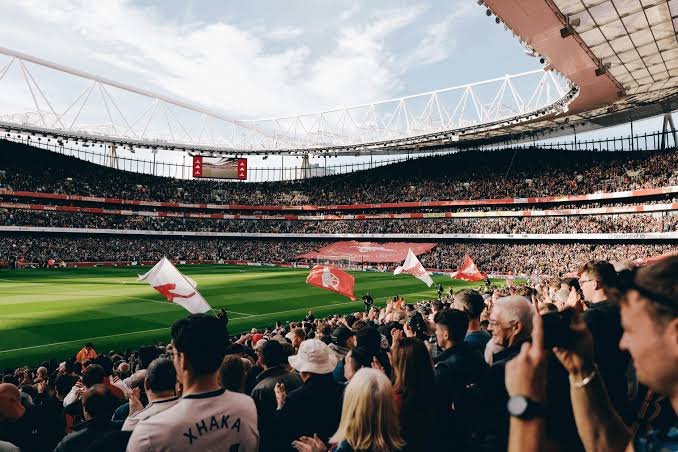
Executing a successful multi-match sporting itinerary across the United Kingdom requires a rigorous understanding of national transit frameworks, strict stadium security perimeters, and digitized ticketing ecosystems. By 2026, compiling a travel schedule around top-flight English football has evolved into an intricate operational process that cannot be left to spontaneous planning. For international groundhoppers, casual sports tourists, and cross-regional domestic supporters, organizing a matchday trip involves synchronizing flight arrivals, intercity rail links, and specialized stadium access parameters weeks in advance. The continuous global exposure of the sport ensures that every fixture footprint experiences massive passenger and pedestrian volumes, requiring attendees to possess fully validated credentials before even entering municipal transport queues. Furthermore, the modern ticketing infrastructure is heavily influenced by domestic television broadcast selections, which can shift scheduled kick-off times with only a few weeks of notice. Failing to account for these systemic operational variables or the precise technological rules of modern turnstiles can disrupt a travel itinerary completely. This guide serves as an objective blueprint covering cross-regional transit hubs, stadium baggage restrictions, official membership ballot limitations, secure secondary escrow alternatives, and mobile device synchronization protocols.
Cross-Regional Itinerary Coordination and Travel Hubs
Organizing a football-focused journey across the major metropolitan clusters of England—spanning London, the West Midlands, and the North West—demands strategic base selection. International travelers frequently utilize primary aviation gateways like London Heathrow or Manchester Airport, which interface directly with high-capacity rail corridors. To maximize geographic efficiency, experienced groundhoppers establish transit bases near major national railway hubs such as London Euston, Manchester Piccadilly, or Birmingham New Street. Sourcing english league tickets involves tracking broad administrative schedules, as fixtures are distributed across weekend afternoons, mid-week evenings, and bank holiday windows throughout the operational calendar.
A critical logistical hurdle for travelers is the rolling broadcast amendment window managed by major media conglomerates like Sky Sports and TNT Sports. Initial fixture lists published before the season merely represent provisional dates, with definitive kick-off times finalized roughly six to eight weeks prior to the match window. Consequently, when individuals source tickets premier league for a multi-city tour, booking non-refundable intercity rail transit or rigid hotel accommodations prior to the official television broadcast announcements introduces severe financial risk. Utilizing high-speed rail lines such as the West Coast Main Line or the East Coast Main Line allows supporters to transfer between regional stadium clusters rapidly, but these journeys must be planned with sufficient time buffers to accommodate potential matchday rail maintenance or crowd-control delays implemented by British Transport Police.
Stadium Bag Policies and External Left Luggage Restrictions
A major operational variable that frequently catches international travelers unprepared is the strict implementation of bag size restrictions across all top-flight UK sports venues. By 2026, counter-terrorism protocols and municipal public safety mandates enforce a comprehensive ban on large backpacks, suitcases, and computer bags within stadium perimeters. Almost every major ground restricts personal items to a maximum dimension corresponding to an A4 sheet of paper, which translates to roughly twenty-one centimeters by thirty centimeters, with a depth limit of fifteen centimeters.
Crucially, the vast majority of clubs do not operate physical left-luggage facilities or bag drop kiosks within the immediate stadium footprints due to localized security cordons. If a traveler approaches the outer security rings directly from an intercity train station carrying standard travel luggage, stadium safety stewards will check your electronic premier league tickets prior to allowing access to official bag drop points, but will ultimately deny entry if bags exceed the legal dimensions. To navigate this restriction, supporters must utilize independent commercial left-luggage networks situated inside central rail terminals, such as London King’s Cross, Liverpool Lime Street, or Leeds Station, before traveling toward the stadium districts. Coordinating these luggage drops adds an extra hour to the pre-match timeline, which must be factored into your journey to avoid missing the automated turnstile closure windows. The massive global interest in these fixtures means that standard premier league tickets sell out months in advance, leaving zero room for entry delays caused by baggage compliance failures.
Official Allocation Hurdles and Domestic Ballot Constraints
Gaining access to general admission seating directly through primary club box offices presents a significant administrative barrier for non-residents. Elite football organizations do not facilitate general public sales for competitive league matches, meaning that purchasing an active annual club membership tier is a mandatory prerequisite to even view live seat inventories. These paid memberships do not grant a direct purchase path; instead, they merely provide the registered profile with the right to enter randomized digital lotteries managed weeks before a scheduled matchdate.
For high-demand Category A fixtures against traditional rivals or European contenders, the volume of global applicants creates a severe bottleneck where ballot success rates routinely fall below five percent. These complex requirements force members to buy tickets premier league through separate club applications, each requiring independent registration fees and distinct login credentials. For casual sports tourists or international groundhoppers who cannot commit to maintaining long-term membership accounts across multiple competing clubs, this randomized lottery system introduces massive uncertainty into travel scheduling. Furthermore, accumulating historical loyalty points by attending low-profile domestic cup matches is often a mandatory requirement to access high-priority allocations directly from primary sources, making the distribution of premier league football tickets highly insulated from international travelers and forcing supporters to evaluate alternative procurement networks well before departure.
Escrow Security and Secondary Market Protections
When official primary membership lotteries result in a rejection and the club’s internal ticket exchange remains entirely depleted of live inventory, utilizing an established third-party marketplace is the remaining secure path. The intense global appeal of top-flight English matches makes the unregulated secondary space a frequent target for sophisticated digital fraud. Unverified social media channels, public message boards, and peer-to-peer messaging networks are prevalent hubs where anonymous syndicates distribute duplicated or entirely counterfeit digital access links to unsuspecting buyers.
To protect your financial investment and ensure stadium entry without holding expensive domestic loyalty points, supporters must completely bypass individual unverified brokers and select professional platforms that utilize independent escrow protections. When casual groundhoppers intend to buy premier league tickets without maintaining long-term membership accounts, evaluating the structural guarantees of the chosen exchange prevents substantial financial loss. For guaranteed transactions, verified digital pass delivery, and complete consumer protection, supporters can review live global match inventories directly. Don’t wait and buy premier league tickets today! This marketplace architecture secures the transaction by holding the buyer’s funds securely in an independent account until the matchday has successfully concluded and the digital NFC token has cleared the stadium turnstiles. Utilizing this verified framework allows international travelers to avoid the primary vulnerabilities associated with direct bank transfers to anonymous online entities. If you are searching for cheap premier league tickets on open social forums, the lack of automated verification means you are entirely exposed to malicious actors, whereas utilizing a vetted platform allows groundhoppers to source verified premier league tickets online with absolute financial assurance.
Mobile Wallet Configuration and NFC Validation Rules
By 2026, the physical act of entering a top-tier sporting arena relies entirely on precise near-field communication protocols and mobile application configuration. Once a transfer is finalized via a secure escrow platform, the live ticket pass must be integrated directly into Apple Wallet or Google Wallet applications on a compatible smartphone device. Legacy validation methods, such as printed PDF confirmations, email paper printouts, and older physical plastic cards, are no longer accepted under any circumstances.
Automated turnstiles validate all premier league match tickets using Near Field Communication technology, meaning a compatible smartphone serves as your exclusive entry voucher. The electronic gate sensors will automatically flag static screenshots of barcodes, photographic prints of passes, or video recordings of screen animations as invalid tokens, leading to immediate rejection at the turnstiles. It is a strict operational rule that your mobile device has NFC enabled in the settings menu before approaching the entry lines. Ensuring your mobile device is fully updated with valid premier league tickets avoids turnstile delays, allowing supporters to navigate high-security turnstiles without causing disruptions to the spectator flow. Furthermore, almost every major stadium campus operates on a 100% cashless basis. All internal transactions at concourse retail points, food kiosks, and official club megastore hubs require contactless debit cards, credit cards, or mobile payment frameworks like Apple Pay.
Post-Match Transit Dispersal and Alternative Railway Corridors
Executing a successful matchday plan requires a proactive strategy for navigating municipal transport networks during high-volume periods. Transport authorities across major UK sports hubs implement highly specialized crowd-control measures, rolling station closures, and pedestrian barriers to manage the movement of over sixty thousand people simultaneously. The transit nodes directly adjacent to stadium perimeters experience extreme pedestrian saturation immediately following the final whistle, with post-match wait times frequently exceeding forty-five minutes on local rail or light rail platforms.
Walking fifteen to twenty minutes to alternative, secondary transit junctions or utilizing dedicated pedestrian walking paths that run outside the core police cordons represents a far more efficient travel strategy. This proactive approach allows matchgoers to bypass the primary pedestrian bottlenecks and access outbound transit lines far more rapidly. Managing your travel via alternative junctions allows supporters holding premier league tickets to navigate the regional rail network smoothly, returning to central urban transit hubs without enduring extreme platform queues. Furthermore, local licensed venues near the grounds enforce a strict home-fans-only policy, routinely requiring patrons to display an active home section digital pass to door security before entry is authorized.
Conclusion
Successfully executing an international football trip to the United Kingdom in 2026 relies entirely on technical preparation, financial readiness, and utilizing secure transaction networks. Adapting to the completely paperless, cashless stadium environments and ensuring your mobile device is fully configured with a live NFC wallet pass are the most critical steps to avoiding gate delays. Sourcing your seating through protected escrow platforms completely eliminates the risk of encountering invalid digital assets at the outer boundaries. By organizing your travel routes via strategic, secondary transit nodes and anticipating local security requirements, you can navigate the busy metropolitan networks safely and focus entirely on the sporting action inside the country’s most historic arenas.