The Hidden Impact of Sewer Line Damage on Residential and Commercial Properties

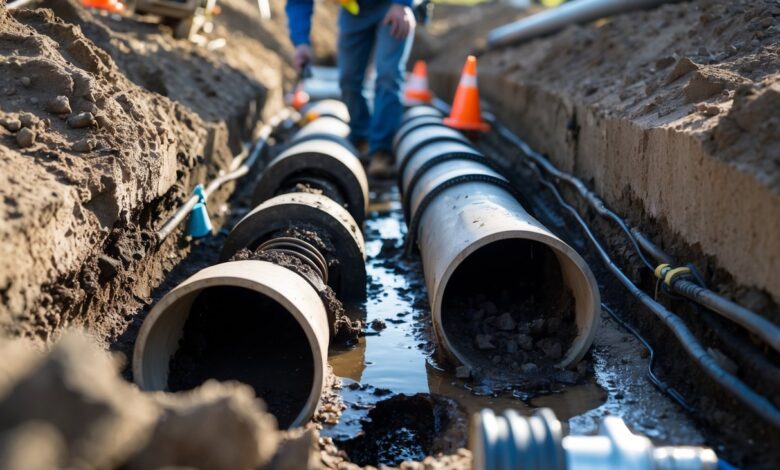
A sewer line is one of the most important yet least visible parts of any residential or commercial plumbing system. It is responsible for carrying wastewater away from a property and directing it safely to a municipal sewer system or a private septic tank. Although it operates quietly underground, the sewer line plays a critical role in maintaining hygiene, sanitation, and overall public health. When it functions properly, wastewater flows efficiently without interruption. However, when problems occur, they can quickly escalate into serious plumbing emergencies involving backups, foul odors, and property damage.
Understanding how sewer line systems work, what causes damage, and how professionals repair and maintain them is essential for preventing costly issues and ensuring long-term system reliability.
How Sewer Line Systems Work
A sewer line is a main underground pipe that connects a property’s internal drainage system to a larger wastewater disposal system. Every drain in the building—including toilets, sinks, showers, and floor drains—ultimately connects to this main line. Wastewater flows through these connected pipes using gravity, moving from higher elevation inside the property to lower elevation outside toward the sewer connection.
Most sewer lines are designed with a slight slope to ensure smooth and continuous flow. This gradient helps prevent waste from accumulating inside the pipe. In addition to wastewater, sewer lines also carry organic matter, soap residue, grease, and other household waste.
Because the system is buried underground, it is not easily accessible, which makes proper installation, maintenance, and repair extremely important. Any issue within the sewer line can affect the entire plumbing system of a building.
Common Causes of Sewer Line Problems
Sewer line issues can develop gradually over time or occur suddenly due to external damage. One of the most common causes is tree root intrusion. Tree roots naturally seek moisture and can enter small cracks or joints in underground pipes. Once inside, they expand and create blockages that restrict or completely stop wastewater flow.
Another frequent cause is pipe deterioration. Older sewer lines made from clay, cast iron, or other aging materials can corrode, crack, or collapse over time. This structural weakening leads to leaks, blockages, and eventual system failure.
Grease buildup is also a major contributor to sewer line blockages. When grease, fats, and oils are washed down drains, they solidify inside pipes and accumulate over time. This buildup narrows the pipe diameter and traps additional debris.
Foreign objects and improper waste disposal can also cause severe blockages. Items such as wipes, sanitary products, and non-biodegradable materials can become stuck in the sewer line and obstruct flow.Ground movement and shifting soil conditions may also damage sewer pipes. Earthquakes, construction activity, or natural soil erosion can cause pipes to shift, crack, or disconnect.
Warning Signs of Sewer Line Issues
Sewer line problems often show warning signs before a complete failure occurs. One of the most common indicators is slow drainage across multiple fixtures. If sinks, toilets, and showers are all draining slowly at the same time, it often suggests a blockage in the main sewer line rather than a localized drain issue.
Foul odors coming from drains or around the property are another warning sign. These smells are usually caused by trapped wastewater or leaks in the sewer system.
Frequent backups, especially in lower-level fixtures such as basement toilets or floor drains, indicate serious sewer line obstruction. Wastewater may begin to flow back into the property if the blockage worsens.Gurgling sounds in toilets or drains are also common symptoms. These noises occur when air becomes trapped due to restricted flow in the sewer line.
Unusually lush or soggy patches in the yard may also signal a sewer leak underground, where wastewater is escaping into the soil and affecting plant growth.
Importance of Sewer Line Maintenance
Regular sewer line maintenance is essential for preventing major plumbing emergencies. Because sewer lines are hidden underground, small issues can go unnoticed until they become serious problems. Preventive maintenance helps identify early signs of damage and ensures that the system continues functioning efficiently.
Routine inspections can detect blockages, cracks, or root intrusion before they escalate. Professional maintenance services may use specialized camera equipment to inspect the inside of sewer pipes without excavation.
Maintenance also helps extend the lifespan of the sewer system. By removing buildup and addressing minor damage early, property owners can avoid costly replacements and emergency repairs.
Common Sewer Line Repair Methods
When sewer line problems occur, professionals use several repair methods depending on the severity and location of the issue.One common method is drain cleaning and snaking, which helps remove minor blockages caused by debris or grease buildup. A flexible cable is inserted into the pipe to break apart obstructions and restore flow.
Hydro jetting is a more powerful cleaning method that uses high-pressure water to remove stubborn blockages, grease buildup, and mineral deposits. This method thoroughly cleans the interior of the pipe and restores proper flow capacity.
Pipe relining, also known as trenchless repair, is a modern technique used to repair damaged pipes without extensive excavation. A resin-coated liner is inserted into the existing pipe and hardened in place, creating a new внутрен surface within the old pipe.Pipe bursting is another trenchless method used when the pipe is severely damaged. A new pipe is pulled through the old one while breaking apart the existing structure, minimizing surface disruption.
In cases of severe damage, traditional excavation and replacement may be required. This involves digging up the affected section of the sewer line and replacing it entirely.
Importance of Early Detection
Early detection of sewer line problems is critical for minimizing damage and repair costs. Small issues such as minor leaks or partial blockages can quickly escalate if left untreated.
For example, a small root intrusion may initially slow drainage but can eventually cause complete blockage or pipe rupture. Similarly, minor cracks can expand over time due to pressure and soil movement.
Early detection allows for less invasive and more cost-effective repair solutions. It also reduces the risk of property damage caused by sewage backups or underground leaks.Modern sewer line inspections rely heavily on camera technology. Specialized waterproof cameras are inserted into the sewer line to provide real-time visuals of the pipe interior. This allows technicians to accurately identify blockages, cracks, root intrusion, or corrosion.
This non-invasive method eliminates the need for unnecessary digging and provides precise diagnostic information. It also helps determine the most appropriate repair method.In some cases, locating devices are used in combination with cameras to map the exact position of underground pipes and identify problem areas.
Preventive Measures for Sewer Line Protection
Preventing sewer line issues begins with proper usage habits. Avoiding the disposal of grease, oils, and fats down drains helps reduce buildup inside pipes. Using drain strainers can also prevent solid debris from entering the system.
Flushing only biodegradable materials is essential for maintaining sewer health. Items such as wipes, sanitary products, and paper towels should not be flushed, as they can cause blockages.
Regular professional inspections are also recommended, especially for older properties or systems with a history of issues.Tree root management near sewer lines can help prevent intrusion. Planting trees away from underground pipes reduces the risk of root-related damage.
Common Mistakes That Lead to Sewer Line Damage
One of the most common mistakes is ignoring early warning signs such as slow drainage or odors. Delaying action often results in more severe damage and higher repair costs.
Another mistake is improper waste disposal. Many homeowners unknowingly contribute to sewer line blockages by flushing unsuitable materials or pouring grease down drains.Using harsh chemical drain cleaners is also problematic. These chemicals can damage pipes over time and do not effectively remove deep blockages.Neglecting regular inspections allows small issues to go unnoticed until they become major failures.
A well-maintained sewer system prevents backups, eliminates foul odors, and ensures smooth wastewater flow.It also protects property value by preventing structural damage caused by leaks or sewage exposure. Over time, proactive care extends the lifespan of the entire plumbing system and reduces the need for emergency interventions.
Conclusion
Proper sewer line maintenance provides long-term benefits including improved system reliability, reduced repair costs, and enhanced property hygiene.A sewer line is a critical component of any plumbing system, responsible for safely transporting wastewater away from a property. While it operates underground and out of sight, its performance directly impacts sanitation, hygiene, and overall property function.
Understanding how sewer lines work, recognizing warning signs, and investing in preventive maintenance can help avoid serious plumbing emergencies. With proper care, timely repairs, and modern inspection techniques, sewer line systems can remain reliable and efficient for many years, ensuring safe and uninterrupted wastewater management.