Jason Atherton: The Michelin-Starred Chef Who Turned Modern British Dining Into a Global Brand

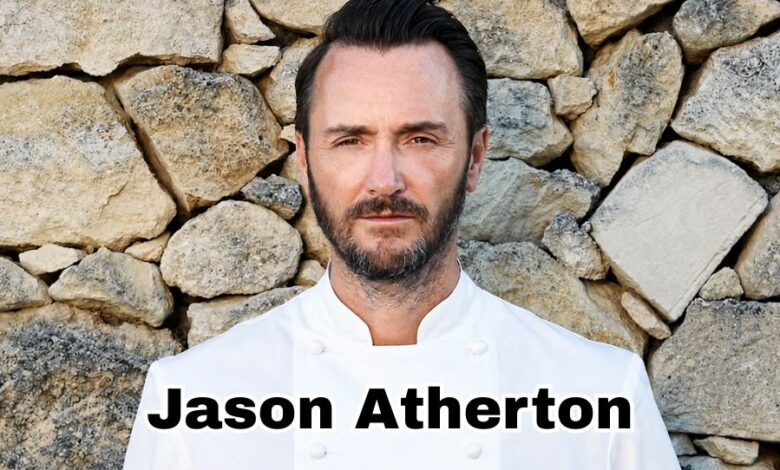
Jason Atherton is one of the most influential names in modern British gastronomy, known not only for elegant cooking but also for building restaurants with personality, precision, and commercial intelligence. His career shows how a chef can move beyond the pass and become a serious restaurateur with a global voice. From demanding early kitchens to Michelin-starred dining rooms, Atherton has built his reputation through discipline, technical skill, and a sharp understanding of what guests expect from a memorable restaurant experience. His journey is not simply a story of celebrity chef success. It is a story of endurance, reinvention, leadership, and the ability to translate culinary ideas into lasting hospitality brands. Today, Jason Atherton represents a particular kind of British chef: classically trained, internationally aware, ambitious, and deeply focused on the full restaurant experience.
Early Life and Culinary Foundations
The rise of Jason Atherton began long before his name appeared above acclaimed restaurants. Like many successful chefs, his foundation was built in intense kitchens where standards were high and mistakes were not easily forgiven. His early career exposed him to the discipline of professional cooking at a time when British gastronomy was changing fast. Instead of relying on personality alone, Atherton developed a strong technical base by working with respected figures in European cuisine. These formative years helped him understand classic technique, kitchen structure, ingredient respect, and the importance of consistency. That experience would later become central to his own restaurants, where food, service, interior design, wine, and atmosphere are treated as connected parts of one complete guest journey.
Learning from Great Chefs
A major part of the Jason Atherton story is the influence of the chefs he worked with before becoming independent. He trained and worked alongside major names such as Pierre Koffmann, Marco Pierre White, Nico Ladenis, and Gordon Ramsay, each of whom shaped British restaurant culture in different ways. From these kitchens, Atherton gained more than recipes. He learned pressure, speed, discipline, attention to detail, and the importance of creating food that feels both refined and emotionally satisfying. His time with Gordon Ramsay was especially important because it showed him how a chef could become a restaurateur, brand builder, mentor, and international operator. Atherton absorbed the lessons of tough kitchens but later developed his own style, one that combined fine-dining precision with a more open and contemporary sense of hospitality.
The Maze Years and a Bigger Vision
Before launching his own group, Jason Atherton became widely known for his work at Maze, the Gordon Ramsay-backed restaurant that helped redefine how fine dining could feel in London. Maze was modern, stylish, and less formal than traditional tasting-menu restaurants, yet still serious about technique. Atherton’s role there gave him a bigger platform and allowed diners to experience his approach to modern European cooking. The restaurant’s success also proved that he could lead a major kitchen and create a concept that felt current. During this period, Atherton developed a stronger sense of what restaurants could become when they were designed around energy, flexibility, and guest experience rather than old-fashioned luxury alone. That lesson later became a foundation of The Social Company, his own hospitality group.
Launching His Own Restaurant Empire
In 2010, Jason Atherton left Gordon Ramsay Holdings and began building his own independent path. This was a defining moment because it moved him from respected chef to entrepreneur. Opening a restaurant under one’s own name is risky, but Atherton understood that success required more than excellent food. He needed the right location, concept, team, identity, and service culture. His first major London flagship, Pollen Street Social, opened in Mayfair in 2011 and quickly became a landmark restaurant. It earned a Michelin star within months of opening, confirming that Atherton could succeed outside the protection of a larger restaurant group. Pollen Street Social showed his ability to combine polished cooking with a lively, less intimidating style of fine dining. It was elegant without feeling cold, ambitious without feeling stiff, and modern without losing respect for classic technique.
Pollen Street Social and the Meaning of “Social”
The word “Social” became one of the most recognizable parts of the Jason Atherton brand. It suggested a dining experience that was refined but not distant, luxurious but still human. Pollen Street Social helped make fine dining feel more relaxed and conversational while maintaining Michelin-level standards. The restaurant reflected Atherton’s belief that food is only one part of hospitality. Guests remember the welcome, the room, the pacing, the drinks, the confidence of the staff, and the emotional rhythm of the meal. That philosophy influenced later restaurants such as City Social, Social Eating House, Little Social, and other projects connected to his wider group. Each venue had its own identity, but many shared the same belief that restaurants should feel alive rather than overly formal.
A Global Approach to Hospitality
One reason Jason Atherton stands out is his international outlook. Rather than remaining only a London chef, he expanded into cities and destinations including Dubai, Shanghai, St Moritz, Mykonos, Cebu, and other global hospitality markets. This expansion showed his ability to adapt concepts to different audiences while keeping a recognizable standard of quality. International restaurants require cultural awareness, strong partnerships, and the ability to train teams across borders. Atherton’s global work also reflects the modern reality of high-end hospitality, where chefs are expected to understand branding, hotels, tourism, design, media, and business strategy. His restaurants are not simple copies of one another. They often respond to location, clientele, architecture, and local dining habits, which is one reason his group has remained relevant in a competitive industry.
Cooking Style and Restaurant Philosophy
The cooking associated with Jason Atherton is often described as modern British or modern European, but that description only tells part of the story. His food is rooted in strong technique and high-quality ingredients, yet it often includes global influences gathered from his international experience. He values refinement, balance, and presentation, but he also understands that a dish must offer pleasure, not just technical admiration. His restaurants often show a strong interest in seasonality, luxury ingredients, precise sauces, elegant plating, and thoughtful menu structure. However, Atherton’s broader philosophy goes beyond the plate. He believes a restaurant must work as a complete performance, where the kitchen, front-of-house team, design, lighting, sound, wine, and pacing all support the same experience. This holistic view has helped him build restaurants that feel carefully considered from entrance to final course.
Row on 5 and a New Chapter
In recent years, Jason Atherton has continued to evolve rather than rely only on past success. Row on 5, his ambitious restaurant on Savile Row in London, represents a more personal and refined chapter in his career. The name reflects the idea of “Refinement of Work,” a phrase that suits Atherton’s long pursuit of detail and excellence. With executive chef Spencer Metzger involved in the project, Row on 5 has become one of the most talked-about fine-dining restaurants in London. Its recognition by Michelin confirms that Atherton remains a powerful force in British gastronomy, not just a chef known for earlier achievements. The restaurant also shows his willingness to return to highly focused fine dining while still thinking like a restaurateur who understands theatre, luxury, and guest emotion.
Business Skill Beyond the Kitchen
Many chefs can cook beautifully, but fewer can build lasting restaurant businesses. Jason Atherton belongs to the smaller group of chefs who understand both the creative and commercial sides of hospitality. His success depends on hiring talented people, developing leaders, forming partnerships, managing brand identity, and knowing when to change direction. Restaurants are difficult businesses, especially in high-cost cities where rent, staffing, food prices, and taxes can place pressure on even respected venues. Atherton has spoken publicly about the challenges facing UK hospitality, including rising costs and difficult trading conditions. His international expansion can be understood partly as ambition and partly as a practical response to a tough industry. This business awareness makes him more than a chef-owner; it makes him a hospitality strategist.
Influence on Modern British Dining
The influence of Jason Atherton can be seen in the way many modern restaurants now balance serious food with relaxed atmosphere. He helped popularize a style of dining that feels polished but not old-fashioned. His restaurants often attract guests who want high standards without the stiffness that once defined luxury dining. He has also helped train and develop chefs, managers, and service professionals who carry his standards into other kitchens and restaurants. In this way, his impact extends beyond his own venues. Like the chefs who shaped him, Atherton has become part of the professional chain that passes knowledge from one generation to the next. His career reflects the rise of British food from a once-underrated tradition to a confident, internationally respected dining culture.
Media Presence, Cookbooks, and Public Image
Although Jason Atherton is a serious restaurateur, his public profile has also been shaped by television, cookbooks, interviews, and brand partnerships. These appearances have helped introduce his cooking and personality to a wider audience. However, unlike some celebrity chefs whose fame becomes larger than their food, Atherton’s reputation still rests strongly on restaurants. His cookbooks and media work support the brand, but they do not replace the daily discipline of running kitchens and dining rooms. This balance is important because it keeps his image connected to real hospitality rather than pure entertainment. For readers interested in food careers, Atherton’s path shows that public recognition can be useful, but it must be supported by genuine skill, leadership, and consistency.
Conclusion
Jason Atherton has built a career that connects craft, ambition, and business intelligence. His story begins in demanding kitchens and continues through Michelin-starred restaurants, international expansion, and a constant search for better hospitality. He is respected because he understands that a great restaurant is not created by food alone. It depends on people, atmosphere, timing, design, training, and emotional connection. From Maze to Pollen Street Social and from The Social Company to Row on 5, Atherton has shown a rare ability to reinvent himself while keeping high standards at the centre of his work. His legacy in modern British dining is already significant, but his career continues to move forward, proving that the best restaurateurs are never finished learning, adapting, and refining their craft.
(FAQs)
Who is Jason Atherton?
Jason Atherton is a British Michelin-starred chef and restaurateur known for modern British and European cuisine, refined restaurant concepts, and his international hospitality group.
What is Jason Atherton famous for?
Jason Atherton is famous for launching acclaimed restaurants such as Pollen Street Social, City Social, Little Social, and Row on 5, as well as for his work with Gordon Ramsay earlier in his career.
Did Jason Atherton work with Gordon Ramsay?
Yes, Jason Atherton worked with Gordon Ramsay and became closely associated with Maze, one of the restaurants that helped raise his profile before he launched his own independent restaurant group.
What type of food does Jason Atherton cook?
Jason Atherton is best known for modern British and modern European cooking, often combining classical technique, seasonal ingredients, polished presentation, and international influences.
Why is Jason Atherton important in British gastronomy?
Jason Atherton is important because he helped shape a modern style of British fine dining that combines technical excellence with relaxed luxury, strong branding, global ambition, and complete attention to the guest experience.