Late at night, many homeowners first notice the problem through scratching sounds moving across the ceiling. A pest treatment may reduce activity for a short time, but the noises eventually return. In many cases, the issue is not the treatment itself. The real problem is a damaged roof edge that continues giving rodents easy access into the roof cavity.
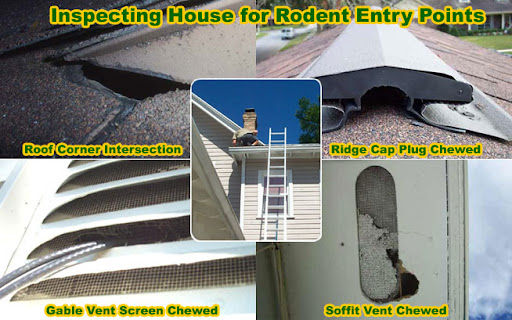
Broken roof edges are among the most overlooked entry points in residential properties. Cracked fascia boards, loose flashing, lifted roof sheets, damaged soffits, and gaps near gutters often create openings large enough for rodents to repeatedly squeeze through. Once they identify a reliable entry route, rodents tend to keep using the same access point until it is properly repaired and sealed.
Why Roof Edges Attract Rodents
Roof edges provide shelter, warmth, and hidden movement pathways. Rodents naturally avoid open exposure, so they search for protected areas where roofing materials meet walls, gutters, or vents. Damaged sections around these areas create concealed openings that are difficult to detect from the ground.
Rats and mice are also highly capable climbers. They can reach rooflines using pipes, cables, rough brick surfaces, downpipes, and nearby trees. Once on the roof, even a small gap around flashing or deteriorated timber can become an access point into the ceiling space.
Older homes are particularly vulnerable because roofing materials weaken over time. Timber edges may warp or rot after years of weather exposure, while mortar and sealants slowly crack and separate. These small defects often remain unnoticed until rodent activity becomes obvious indoors.
Common Roof Edge Damage That Creates Entry Points
Several forms of roof deterioration commonly contribute to rodent access. Loose fascia boards are one of the most frequent problems. As gutters shift or timber deteriorates, small openings appear between the roof edge and the supporting structure. Rodents can exploit these gaps surprisingly easily.
Damaged soffits also create hidden access routes. Soffits are designed to protect the underside of roof overhangs, but cracked panels or loose vent covers allow rodents direct entry into roof cavities.
Flashing problems are another major concern. Metal flashing around roof joints, chimneys, and wall intersections may lift or separate over time, especially after storms or prolonged weather exposure. Once flashing loosens, rodents can push into the narrow openings beneath it.
Broken roof tiles and lifted roof sheets can also create entry points near the roof perimeter. Even small displacements may provide enough clearance for rats or mice to enter the ceiling cavity.
Why Rodents Keep Returning to the Same Openings
Rodents rely heavily on scent trails and familiar travel paths. Once they establish a safe route into a property, they repeatedly use it because it offers predictable shelter and access to nesting areas.
This is why recurring infestations often happen in the same section of the roof. Even after trapping or baiting removes active rodents, new ones may follow the same established entry points if the structural gap remains open.
The problem becomes worse when the roof damage gradually expands. Wind, rain, and ongoing rodent gnawing can widen existing openings over time, making reinfestation even easier.
Homeowners sometimes focus only on removing rodents without addressing the damaged roof edge itself. However, long-term prevention depends heavily on exclusion and structural repair.
The Risks of Ignoring Roof Edge Damage
Allowing rodents continued roof access can lead to significant property damage. Roof cavities contain insulation, electrical wiring, timber framing, and stored materials that rodents commonly chew and contaminate.
Electrical damage is particularly concerning. Rodents constantly gnaw to wear down their teeth, and exposed wiring inside ceilings becomes a common target. Damaged cables may increase fire risks and create expensive repair issues.
Contamination is another serious issue. Rodent droppings and urine can spread through insulation and ceiling spaces, often creating persistent odours and hygiene concerns. In severe infestations, insulation may require complete replacement.
Noise disruption also becomes a regular problem. Rodents are most active at night, and movement above ceilings often affects sleep and daily comfort.
In many situations, a qualified Rodent Exterminator may identify roof edge defects during an inspection because recurring infestations frequently point to structural access rather than isolated indoor activity.
How Roof Edge Problems Can Be Prevented
Regular roof inspections are one of the most effective ways to reduce rodent access. Areas around gutters, fascia boards, flashing, vents, and soffits should be checked for separation, cracks, or deterioration.
Vegetation management also plays an important role. Overhanging branches and climbing plants provide rodents with easier access to roof edges. Trimming vegetation away from the property significantly reduces these pathways.
Damaged materials should be repaired using durable, rodent-resistant products. Lightweight foam alone is usually insufficient because rodents can chew through it. Metal flashing, steel mesh, and properly secured roofing materials generally provide stronger long-term protection.
Consistent maintenance is especially important after storms or heavy weather events, which commonly loosen roof components and expose new gaps.
FAQs
Can rodents enter through very small roof edge gaps?
Yes. Rats and mice can squeeze through surprisingly small openings, especially around flashing, fascia boards, and soffits.
Why do rodents keep returning after treatments?
If the roof entry point remains open, new rodents can continue accessing the property even after previous activity has been removed.
What roof areas are most vulnerable to rodent entry?
Common weak points include damaged soffits, loose flashing, cracked fascia boards, roof vents, and broken roof tiles.
Can rodents damage the roof further after entering?
Yes. Rodents may gnaw timber, insulation, vent screens, and wiring, which can worsen existing structural problems.
Do newer homes still experience roof rodent problems?
Yes. Even modern homes may have small construction gaps or poorly sealed roof penetrations that rodents exploit.
How often should roof edges be inspected?
Roof inspections are generally recommended at least once a year and after severe storms or strong weather events.