Foenegriek: The Ancient Herb That Brings Flavor, Tradition, and Wellness Together

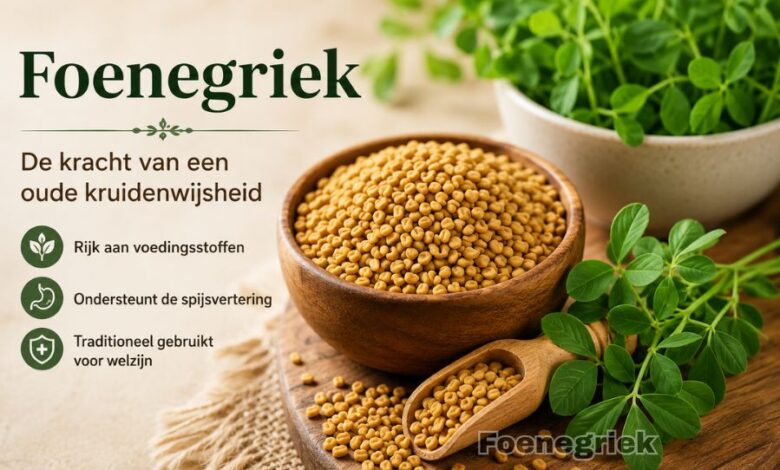
Foenegriek is one of those remarkable plants that quietly bridges the worlds of cooking, heritage, and natural wellness. Known in English as fenugreek and scientifically as Trigonella foenum-graecum, this herb has been cultivated and appreciated for centuries in many regions of the world, including South Asia, the Middle East, North Africa, and parts of Europe. Although it may not always receive the same attention as more familiar herbs and spices, foenegriek has a character that makes it unforgettable. Its seeds carry a warm, slightly bitter, nutty taste, while its leaves bring an earthy, aromatic quality to food. Beyond the kitchen, it also holds a respected place in traditional practices that connect plants with everyday well-being. That combination of flavor, history, and practical value is exactly why foenegriek continues to attract interest in both traditional households and modern lifestyles.
The History and Cultural Importance of Foenegriek
The story of foenegriek stretches back thousands of years, which immediately gives it a special status among herbs. Historical references suggest that it was known in ancient Egypt, where plants with culinary and medicinal uses were deeply valued. Over time, foenegriek spread through trade routes and agricultural traditions into Greece, Rome, India, Persia, and beyond. In many of these cultures, it became more than just a seasoning. It developed a reputation as a household staple, used not only in cooking but also in home remedies passed from one generation to the next. This long cultural journey explains why foenegriek feels both ordinary and extraordinary at the same time. It is ordinary because it has been part of daily life for so long, yet extraordinary because it has survived centuries of changing tastes, food habits, and health trends. In many homes, it still represents continuity, memory, and the wisdom of older traditions that remain relevant in the present day.
What Foenegriek Tastes and Smells Like
One of the most fascinating things about foenegriek is its distinctive sensory profile. The seeds are famous for their deep aroma and complex taste, which can be difficult to compare to a single familiar ingredient. They are slightly bitter at first, yet also warm, nutty, and faintly sweet. Many people notice a scent that resembles maple syrup, which makes foenegriek especially memorable. This sweet note is surprising because the seeds themselves are not sugary, but they release a rich fragrance that adds depth to both savory and aromatic dishes. The leaves, whether fresh or dried, have a gentler personality. They contribute an earthy, green, slightly bitter flavor that complements stews, curries, breads, and vegetable dishes. Together, the seeds and leaves show the versatility of foenegriek. It can be bold or subtle, warming or fresh, and it has the rare ability to make a dish feel both rustic and layered at the same time.
Foenegriek in Traditional Cooking
In the culinary world, foenegriek is treasured because it adds identity to food rather than merely seasoning it. In South Asian cuisine, the seeds are often used in spice blends, pickles, lentil dishes, and curries, where their bitterness becomes balanced by other spices and slow cooking. Dried foenegriek leaves, often known as kasuri methi in Indian cooking, are sprinkled into sauces and breads to create a rich, aromatic finish. In Middle Eastern and North African kitchens, the herb also appears in traditional recipes that rely on earthy flavors and warming spices. Even in European herbal traditions, foenegriek has long had its place in certain regional preparations. What makes it so useful in cooking is that it behaves differently depending on how it is handled. Toasting the seeds can deepen their nuttiness, soaking them can soften their intensity, and crushing them can release more fragrance. This makes foenegriek a highly adaptable ingredient for cooks who appreciate complexity and tradition in their meals.
Why Foenegriek Is Linked with Wellness
For many people, foenegriek is not only a culinary herb but also a symbol of traditional wellness. Across generations, families have used it in teas, soaked seed preparations, powders, and warm dishes believed to support everyday health. Modern wellness culture has revived interest in the herb because people are increasingly drawn to ingredients with long-standing traditional reputations. Foenegriek is often associated with digestion, appetite, warmth in the body, and general vitality, especially in folk practices that value balance and nourishment. It is important, however, to separate cultural tradition from medical certainty. Traditional uses are meaningful because they reflect long experience, but they are not always the same as scientifically proven medical treatments. Even so, the reputation of foenegriek remains powerful because it comes from centuries of practical use in ordinary life. People trust herbs not only because of studies or labels, but because they have seen them used around family tables, in kitchens, and in community health customs for generations.
Nutrients and Natural Compounds Found in Foenegriek
Part of the interest in foenegriek comes from its natural composition. The seeds contain fiber, plant compounds, and small amounts of nutrients that contribute to their value as a whole food ingredient. They are often discussed in connection with proteins, minerals, and beneficial plant substances that help explain why they have long attracted attention in both food and wellness conversations. Although foenegriek is usually eaten in small quantities, even small amounts can matter when an herb is used regularly as part of a broader diet. The leaves also contribute their own nutritional character, especially when used fresh. What makes foenegriek especially appealing is that it does not fit into a single category. It is neither just a spice nor just a leafy herb, and it is not used only for flavor or only for wellness. Instead, it offers a more complete identity as a traditional plant food that brings taste, aroma, and functional value together in a natural way.
How Foenegriek Fits into Modern Lifestyles
In recent years, foenegriek has found a new audience among people interested in natural ingredients, heritage foods, and plant-based living. As more individuals look for ways to reconnect with traditional food knowledge, herbs like foenegriek are being rediscovered and appreciated again. It appears in herbal teas, supplements, seed blends, health-focused recipes, and home cooking videos, which shows how flexible it has become in modern use. Yet what is most interesting is that foenegriek has not changed its basic identity. It is still the same ancient herb used by earlier generations, but it is now being interpreted through the lens of modern curiosity. Some people use it because they enjoy its taste, others because they admire its traditional background, and many because they value both. This makes foenegriek especially relevant today, when people are searching for ingredients that feel authentic, useful, and connected to something deeper than passing trends. It represents a slower, more thoughtful relationship with food and well-being.
Tips for Using Foenegriek at Home
Using foenegriek at home can be rewarding, but it helps to understand its strength. The seeds should usually be used with care because too much can make a dish overly bitter. Light roasting often improves their flavor and makes them more pleasant in savory cooking. They can also be soaked before use, which softens both texture and intensity. Ground foenegriek works well in spice mixes and can be added in small quantities to soups, curries, and vegetable dishes. The leaves are often easier for beginners, especially dried leaves, because they add aroma without overwhelming the dish. A pinch stirred into sauces, flatbreads, or lentils can make a meal feel richer and more layered. The secret with foenegriek is moderation. It is not an ingredient that needs to dominate the plate. Instead, it works best when it quietly supports other flavors and adds its signature earthy warmth in the background.
Things to Keep in Mind Before Using Foenegriek Often
Although foenegriek is widely appreciated, it is still important to use it thoughtfully. As with many herbs and seeds, moderation matters. Some people may enjoy it regularly in food, while others may prefer smaller amounts because of its strong flavor or the way their body responds to it. When used as a supplement or concentrated remedy rather than as a food ingredient, extra caution is sensible. Anyone with specific medical concerns, allergies, or dietary restrictions should consider professional advice before using foenegriek in large or frequent amounts. This does not reduce its value; it simply reflects a balanced and informed approach. Traditional plants can be helpful and meaningful, but they should still be respected. The best way to appreciate foenegriek is as part of a wider lifestyle that includes variety, moderation, and a good understanding of how traditional ingredients fit into individual needs.
Conclusion
Foenegriek is far more than an old-fashioned herb or a forgotten kitchen ingredient. It is a plant with a rich identity, shaped by centuries of culinary use, cultural tradition, and natural wellness practices. Its seeds offer a warm, slightly bitter, nutty flavor with an unexpectedly sweet aroma, while its leaves contribute earthy depth to a wide range of dishes. At the same time, its long-standing role in traditional living has helped it remain meaningful in modern conversations about health, heritage, and food. What makes foenegriek truly special is the way it connects the past with the present. It belongs equally in ancient recipes, family kitchens, and contemporary wellness culture. For anyone interested in ingredients that carry both flavor and story, foenegriek stands out as a timeless and fascinating herb worth knowing better.
(FAQs)
What is foenegriek in English?
Foenegriek is the Dutch name for fenugreek, a plant known scientifically as Trigonella foenum-graecum. It is used in cooking, herbal traditions, and natural wellness practices.
What does foenegriek taste like?
Foenegriek has a unique flavor that is slightly bitter, warm, and nutty. The seeds also have a sweet aroma that many people compare to maple syrup, while the leaves taste more earthy and green.
Can foenegriek be used in cooking every day?
Yes, foenegriek can be used in everyday cooking, especially in small amounts. The seeds and leaves both add depth to dishes, but because the flavor is strong, it is best used with balance.
Is foenegriek only used for food?
No, foenegriek is also associated with traditional wellness. For centuries, people have used it in home remedies, herbal drinks, and nourishing preparations alongside its culinary uses.
What is the difference between foenegriek seeds and leaves?
The seeds of foenegriek are stronger, more aromatic, and slightly bitter, while the leaves are milder and more earthy. Both are useful, but they bring different qualities to food and traditional preparations