Anton Mosimann: The Swiss Master Who Redefined Modern British Fine Dining

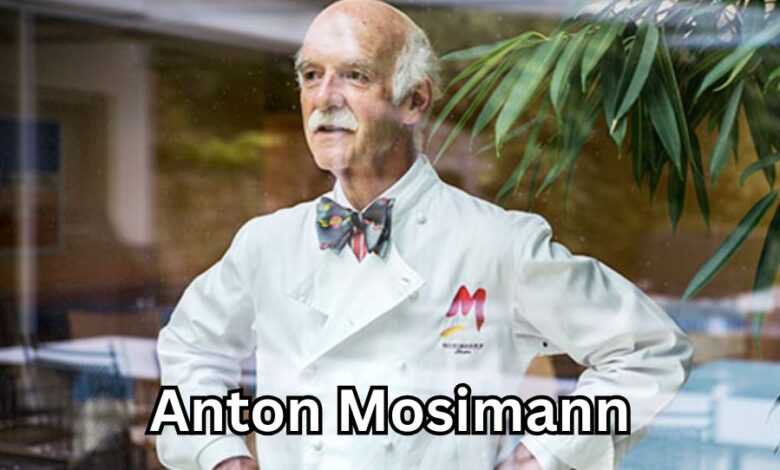
Few chefs have influenced British cuisine as deeply as anton mosimann. For more than five decades, he has represented excellence, discipline, and refined taste in the world of fine dining. While many chefs become famous for a single restaurant or a short period of success, Mosimann built something far more lasting: a culinary identity that blends Swiss precision with modern British sophistication. His name is associated with Michelin-star achievement, royal service, and a dining philosophy that prioritizes balance, health, and flavor without compromise. In a country once mocked for bland food, Mosimann became one of the major forces behind Britain’s transformation into a global culinary destination. His journey is not only a story of professional success but also a lesson in dedication, innovation, and personal standards.
Anton Mosimann’s Early Life and Swiss Roots
Anton Mosimann was born into a world where food was more than a daily necessity it was a craft, a discipline, and a way of life. Raised in Switzerland, he grew up surrounded by the traditions of European cooking, where technique and respect for ingredients are central. His father, who was also involved in hospitality, played an important role in shaping his early understanding of food and service. From a young age, Mosimann learned that cooking was not simply about taste, but about responsibility. A chef, in his eyes, must be consistent, clean, organized, and deeply respectful of every ingredient. These Swiss foundations stayed with him for the rest of his life and became the backbone of his professional personality.
Switzerland also gave him something else: an appreciation for purity and simplicity. Unlike overly heavy cuisines that rely on excessive fat or strong seasoning, Swiss culinary traditions often highlight natural flavors. This early influence later helped Mosimann develop his signature approach—an elegant style where food is refined, lighter, and carefully composed, but never dull.
Training, Discipline, and the Making of a Perfectionist
The early part of anton mosimann’s career was built on strict training. In the European culinary world, especially during the mid-20th century, kitchens were intense environments where young chefs learned through repetition, pressure, and high standards. Mosimann thrived in this world because discipline suited him. He became known as a perfectionist who believed that excellence comes from routine and precision. For him, the smallest detail mattered, whether it was the temperature of a sauce, the knife cuts on vegetables, or the presentation of a plate.
This mindset separated him from many chefs of his generation. While some focused purely on creativity or showmanship, Mosimann built his reputation on consistency. Over time, this approach would make him the perfect fit for the British elite dining scene, where guests expect flawless service and reliable quality.
The Breakthrough in London and the Dorchester Era
The true turning point in Mosimann’s career came when he moved to London, a city that was gradually opening its doors to international culinary influence. At the time, British fine dining was changing. Traditional French-style hotels still dominated the scene, but a new wave of chefs was beginning to challenge the old system. Mosimann entered this environment with confidence, bringing European experience and a modern mindset.
One of his most famous achievements was his work at The Dorchester, one of London’s most iconic luxury hotels. Becoming the head chef there was not only a professional milestone but also a sign that Mosimann had reached the highest level of trust in British hospitality. Under his leadership, the Dorchester’s dining experience became world-renowned. He elevated standards, modernized menus, and introduced a style that balanced luxury with freshness.
Most importantly, Mosimann helped prove that London could compete with Paris and other major food capitals. His presence in such a prestigious hotel made him a symbol of culinary excellence in Britain, and his work there laid the foundation for the rest of his career.
Michelin Recognition and the Rise of a Culinary Icon
For many chefs, Michelin stars are the ultimate proof of achievement. For anton mosimann, Michelin recognition confirmed what many already believed: he was among the finest chefs working in Britain. The Dorchester gained major praise during his time, and his name became linked with the new identity of British gastronomy—an identity built on global influence, quality ingredients, and modern technique.
What made Mosimann special was not only his technical ability but also his leadership. Kitchens are teams, and Mosimann was known for his structured approach. He trained staff with discipline, but also with pride. Working under him was considered a valuable education, and many chefs who later became successful leaders themselves learned important lessons in his kitchens.
A New Concept: Mosimann’s Club
After achieving legendary status in the hotel world, Mosimann took a bold step that showed his entrepreneurial vision. Instead of simply opening another restaurant, he created Mosimann’s Club, a private dining club in London. This was not a standard restaurant. It was a carefully designed space where members could experience luxury dining in a more intimate and exclusive environment.
Mosimann’s Club became famous for hosting major events, elite guests, and high-profile dinners. It reflected his belief that dining should feel special, personal, and elegant. The club also gave him more creative control over menus and service, allowing him to deliver the exact standard he believed in. It was not about large crowds or mass popularity. It was about quality, privacy, and excellence.
This concept was ahead of its time. Today, private dining and membership-based culinary experiences are more common, but Mosimann was among the pioneers who showed how successful such a model could be in London.
Royal Recognition and Service to the Crown
One of the most remarkable aspects of anton mosimann’s career is his long connection to the British royal family. Serving the royal household is not only an honor but also a role that demands absolute trust, professionalism, and discretion. Mosimann earned this trust through his reputation for perfection and reliability.
He became widely known for preparing food for royal events, including major celebrations and state occasions. His style was ideal for such settings: elegant, refined, and never overly experimental. Royal dining requires a balance between tradition and modern taste, and Mosimann mastered this balance.
Royal recognition also strengthened his status in British society. While Michelin stars earn respect in the culinary world, royal connections create cultural influence. Mosimann became not just a chef, but a symbol of Britain’s modern luxury dining identity.
The Mosimann Philosophy: Cuisine Naturelle
Perhaps the most important part of Mosimann’s legacy is his culinary philosophy, often associated with his concept of “Cuisine Naturelle.” This approach focuses on reducing heavy fats, avoiding unnecessary richness, and allowing natural ingredients to shine. Mosimann believed that food should be enjoyable but also balanced. Instead of relying on excessive butter, cream, or salt, he focused on technique, freshness, and subtle flavor combinations.
This philosophy became influential as global dining began shifting toward healthier, lighter cuisine. Long before “clean eating” became a trend, Mosimann was promoting a style of cooking that respected the body as much as the palate. He proved that fine dining could be luxurious without being heavy, and that elegance could be achieved through simplicity.
His approach also inspired chefs who wanted to modernize classic European cuisine. Many chefs today focus on lighter sauces, cleaner presentation, and ingredient-driven menus, and Mosimann’s influence can be seen in this movement.
Books, Media, and Culinary Education
In addition to his work in kitchens and private dining, anton mosimann also contributed to culinary culture through books, media appearances, and mentorship. He published cookbooks that shared his techniques and philosophy with a wider audience. These books were not only recipes, but also lessons in discipline, organization, and quality.
Mosimann also became a public figure in the culinary world. He represented a more refined and professional image of chefs at a time when celebrity cooking was beginning to rise. Unlike some television chefs known for entertainment, Mosimann’s reputation was built on seriousness, skill, and tradition.
Through his mentorship, he also helped train chefs and hospitality professionals who carried his standards into their own careers. In this way, his influence spread far beyond his own restaurants.
Anton Mosimann’s Legacy in Modern British Gastronomy
The impact of anton mosimann is difficult to measure because it goes beyond awards and achievements. He helped shape how British fine dining is perceived internationally. He proved that London could be a world-class culinary capital. He introduced a refined style that balanced European tradition with modern health-conscious ideas. He also set standards for professionalism and discipline that influenced the next generation of chefs.
His private club model influenced the growth of luxury dining experiences in London. His philosophy encouraged lighter, more ingredient-focused cuisine. And his reputation as a trusted royal chef made him a cultural icon.
In many ways, Mosimann represents a bridge between old-world culinary tradition and modern dining expectations. His career shows how a chef can succeed not only through creativity, but through consistency, discipline, and respect for the craft.
Conclusion
Anton mosimann is more than a celebrated chef—he is a culinary architect who helped design modern British gastronomy. From his Swiss upbringing to his legendary years in London, he built a career defined by precision, elegance, and innovation. His achievements include Michelin recognition, royal service, and the creation of a unique private dining club that became a landmark of luxury. Most importantly, his philosophy of Cuisine Naturelle continues to influence chefs who believe that fine dining should be both indulgent and balanced. Mosimann’s story proves that true culinary greatness is not built overnight, but through decades of discipline, vision, and unwavering standards.
(FAQs)
Who is Anton Mosimann?
Anton Mosimann is a Swiss-born chef who became one of the most influential figures in modern British fine dining, known for Michelin-level cooking and royal service.
What is Mosimann’s Club?
Mosimann’s Club is a private dining club in London founded by Anton Mosimann, offering exclusive luxury dining experiences for members and elite guests.
Did Anton Mosimann cook for the British royal family?
Yes, anton mosimann is widely recognized for cooking for royal events and earning the trust and recognition of the British royal household.
What is Cuisine Naturelle?
Cuisine Naturelle is Mosimann’s cooking philosophy focused on lighter, healthier fine dining by reducing heavy fats and highlighting natural ingredients.
Why is Anton Mosimann important in British gastronomy?
He helped elevate Britain’s reputation in fine dining, introduced modern refined techniques, trained chefs, and influenced the shift toward lighter, ingredient-focused cuisine.