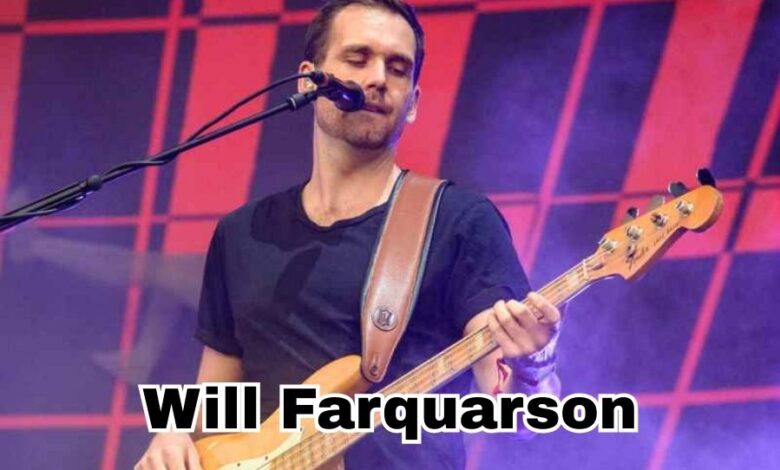
In the landscape of modern British alternative music, Will Farquarson stands as a compelling example of how understated talent can define a band’s identity. As a core member of Bastille, Farquarson has helped craft a sound that merges emotional storytelling, electronic textures, and stadium-ready anthems. While frontman Dan Smith often receives public recognition for his songwriting and distinctive voice, Farquarson’s multi-instrumental mastery and calm creative presence have been equally essential to the band’s global rise. His role illustrates how musical architecture is built not only through lyrics and melodies but also through arrangement, tone, rhythm, and atmosphere.
Early Musical Foundations and Entry into Bastille
Before achieving international fame, Will Farquarson was already deeply immersed in music. Growing up in England, he developed a strong appreciation for alternative rock, indie influences, and experimental production styles. His early exposure to various instruments allowed him to cultivate a broad technical base. Unlike musicians who specialize in a single instrument, Farquarson gradually embraced the identity of a multi-instrumentalist, becoming proficient in guitar, bass, keyboards, and backing vocals.
When Bastille began as a project centered around Dan Smith’s songwriting, it was Farquarson’s collaborative energy that helped transform it into a fully realized band. Joining alongside other members, he contributed not only instrumental skill but also structural ideas that strengthened arrangements. The chemistry between members quickly became evident, forming the foundation of what would soon become one of the UK’s most recognizable alternative acts.
The Breakthrough Era and Global Recognition
Bastille’s debut album, Bad Blood, marked a turning point in the band’s trajectory. The album introduced audiences to a distinctive blend of synth-driven pop and alternative rock. The breakout single Pompeii became a worldwide anthem, dominating charts and festival stages. While the song’s chorus was undeniably catchy, its layered instrumentation played a significant role in its impact.
Will Farquarson’s contribution during this era was particularly crucial in translating the studio production into dynamic live performances. Electronic textures, atmospheric loops, and layered harmonies required thoughtful rearrangement for stage settings. Farquarson’s ability to switch instruments mid-performance ensured that the band maintained sonic depth without relying excessively on backing tracks. This skill enhanced Bastille’s reputation as a powerful live act rather than simply a studio-based phenomenon.
Expanding the Sound: Artistic Evolution
Following their debut success, Bastille faced the challenge of sustaining relevance in a rapidly evolving music industry. Their second album, Wild World, demonstrated artistic growth and a willingness to address complex global themes. Here, Farquarson’s versatility became even more pronounced. The album featured darker tones, intricate rhythms, and politically conscious undertones that required nuanced instrumentation. His layered guitar textures and synth contributions added emotional weight without overshadowing lyrical storytelling.
Later, with Doom Days, the band leaned into a conceptual framework that explored modern anxiety and escapism. The record blended electronic pop elements with introspective ballads. Farquarson’s musical restraint proved essential; instead of dominating arrangements, he shaped mood and momentum through subtle chord progressions and rhythmic support. His adaptability allowed the band to experiment while maintaining a cohesive identity.
Musical Versatility and Technical Strength
One of the defining characteristics of Will Farquarson is his technical adaptability. In contemporary alternative music, where genres often blend seamlessly, musicians must navigate diverse sonic landscapes. Farquarson excels in this environment. Whether delivering shimmering guitar riffs, grounding basslines, or atmospheric keyboard layers, he demonstrates a strong understanding of musical balance.
His approach emphasizes texture over flashiness. Rather than prioritizing showmanship, he focuses on enhancing the overall composition. This philosophy reflects a broader trend in modern band dynamics, where collaboration and cohesion often outweigh individual virtuosity. Farquarson embodies this ethos by supporting the emotional core of each track while ensuring structural integrity.
Stage Presence and Performance Dynamics
On stage, Will Farquarson projects a calm, focused energy that contrasts with the more animated presence of his bandmates. This balance strengthens the group’s live chemistry. In large arenas and festival environments, consistency becomes essential, and Farquarson provides that anchor. His seamless transitions between instruments create a fluid performance experience, allowing the audience to remain immersed in the music’s atmosphere.
Live shows also reveal his subtle charisma. While he may not dominate center stage, his concentration and precision convey professionalism and passion. Fans often appreciate this grounded presence, recognizing the importance of stability in a high-energy performance setting. In many ways, Farquarson’s stage demeanor mirrors his musical philosophy: steady, thoughtful, and collaborative.
Collaboration and Creative Partnership
Bastille’s discography features numerous collaborations with artists across genres, demonstrating openness to creative exchange. Within this collaborative framework, Farquarson’s flexibility proves invaluable. His willingness to adapt arrangements ensures that guest contributions integrate naturally into the band’s established sound.
Collaboration requires both confidence and humility. A musician must be secure enough to contribute ideas yet open enough to accommodate others. Farquarson consistently demonstrates this balance. By prioritizing the collective vision over individual spotlight, he strengthens the band’s creative output and reinforces the idea that sustainable success depends on shared effort.
Influence on Modern Alternative Pop
The rise of Bastille coincided with a broader shift in British alternative music, where indie aesthetics merged with mainstream production. Will Farquarson played a significant role in navigating this transition. His ability to blend organic instrumentation with electronic elements contributed to a sound that appealed to both indie purists and pop audiences.
This hybrid style reflects contemporary musical consumption patterns, where streaming platforms encourage genre fluidity. Farquarson’s work exemplifies how traditional band instrumentation can coexist with digital production techniques. The result is a soundscape that feels expansive, cinematic, and emotionally resonant.
The Importance of the Understated Musician
In many successful bands, one member naturally occupies the spotlight. Yet long-term artistic growth often depends on those who work behind the scenes. Will Farquarson represents the unsung architect—a musician whose influence may not always be headline-grabbing but remains fundamental to structural cohesion.
His career highlights an important lesson within the music industry: longevity stems from teamwork. Technical skill alone is insufficient without emotional intelligence and collaborative spirit. Farquarson’s contributions remind listeners that a band’s identity is shaped collectively, through countless rehearsals, arrangement decisions, and live performances.
Conclusion
Will Farquarson’s journey with Bastille illustrates how versatility, restraint, and dedication can shape global musical success. As a multi-instrumentalist and creative collaborator, he has helped craft a sound that bridges alternative authenticity and mainstream appeal. From the explosive success of Bad Blood to the introspective experimentation of later albums, his steady presence has anchored the band’s evolution.
In an industry often driven by individual recognition, Farquarson’s career underscores the power of collective artistry. His influence may operate quietly, but it resonates loudly within Bastille’s expansive catalog. Ultimately, Will Farquarson exemplifies the modern musician—adaptable, collaborative, and committed to the craft above all else.
(FAQs)
Who is Will Farquarson?
Will Farquarson is a British musician best known as a core member of Bastille, where he serves as a multi-instrumentalist and backing vocalist.
What instruments does Will Farquarson play?
He plays guitar, bass, keyboards, and contributes backing vocals, showcasing significant versatility.
What role did Will Farquarson play in Bastille’s success?
He helped shape the band’s layered sound, translated studio production into live performance, and supported collaborative songwriting and arrangement.
Which Bastille albums feature his contributions?
He has contributed to major releases including Bad Blood, Wild World, and Doom Days.
Why is Will Farquarson considered important in modern alternative music?
His ability to merge electronic textures with traditional instrumentation reflects the evolving landscape of alternative pop and demonstrates the value of collaborative musicianship