Why Removal Tech Is Redefining How We Handle Waste

Clutter has a way of creeping up on you. One day, you’re managing a small renovation project, and the next, you’re staring at a mountain of debris with no clear plan for what comes next. That’s where smart waste management solutions step in—and they’re changing the game for homeowners, contractors, and businesses alike.
Waste removal is one of those tasks that most people underestimate until they’re knee-deep in it. The logistics alone—hauling, sorting, disposing responsibly—can eat up hours of time and significant resources. But a new wave of professional removal services is making the process faster, cleaner, and remarkably stress-free.
The Real Cost of Doing It Yourself
Handling large-scale cleanouts or construction debris without professional help sounds cost-effective on paper. In practice, it rarely is.
Consider the time spent making multiple trips to a disposal facility, the fuel costs, the potential fines for improper disposal, and the physical toll of heavy lifting. Add in the risk of damaging your property—or someone else’s—and the DIY approach quickly loses its appeal.
Professional removal services eliminate all of that friction. They show up, handle the heavy work, and ensure that waste is disposed of in full compliance with local regulations. No guesswork, no repeat trips, no unexpected fees buried in the process.
What Modern Removal Services Actually Look Like
Today’s removal services look nothing like they did a decade ago. The industry has moved toward a customer-first model built on transparency, efficiency, and flexibility—and the results speak for themselves.
Fast, Flexible Scheduling That Works Around You
One of the biggest frustrations with traditional waste disposal is the rigid scheduling. Modern removal services have flipped that model. Many providers now offer same-day or next-day availability, meaning you’re not stuck waiting around for a slot that works for someone else’s calendar.
Whether you’re midway through a home renovation, clearing out after a move, or wrapping up a commercial construction project, flexible scheduling means your timeline stays intact.
Solutions Scaled to the Size of the Job
Not every project produces the same volume of waste. A kitchen remodel generates very different debris than a full office clearout or a large landscaping job. The best removal services scale their solutions accordingly—offering options that match both the scope and the nature of the materials involved.
This flexibility matters. Paying for more capacity than you need is wasteful. Getting stuck with less than you need is even worse. Tailored solutions solve both problems cleanly.
Responsible Disposal You Can Feel Good About
Waste doesn’t disappear when it leaves your property—it goes somewhere. Reputable removal services take that responsibility seriously, routing materials through proper recycling channels, donating salvageable items, and keeping as much out of landfills as possible.
For environmentally conscious homeowners and businesses, this is no small thing. Knowing your waste is handled responsibly adds a layer of value that goes well beyond simple convenience.
Who Benefits Most From Professional Removal Services?
The short answer: almost everyone who generates significant waste.
Homeowners tackling renovation projects—kitchens, bathrooms, basements—generate far more debris than a standard curbside pickup can handle. Contractors working across multiple job sites need reliable, recurring removal support to keep projects moving. Property managers handling tenant turnover or large-scale cleanouts need a partner who can move quickly and work at scale.
Even individuals downsizing or clearing out an estate find real relief in having a professional team manage the logistics. The physical and emotional weight of those situations is already heavy enough without adding waste management into the mix.
What Sets the Best Providers Apart
Not all removal services are created equal, and the differences show up in the details.
Response time is one indicator. How quickly does a provider confirm your booking? How reliable are they when it comes to showing up on schedule? A service that respects your time earns trust quickly.
Pricing transparency is another. Hidden fees and vague quotes are red flags. The best providers give you a clear picture of what you’ll pay before anything gets hauled away.
Customer service matters too. Removal projects can be unpredictable. A provider that communicates clearly, adapts when plans change, and treats your property with care is worth every penny.
A Smarter Way to Move Forward
Waste removal doesn’t have to be a source of stress. With the right partner, it becomes one of the smoothest parts of any project—handled efficiently, responsibly, and without the headaches that come with going it alone.
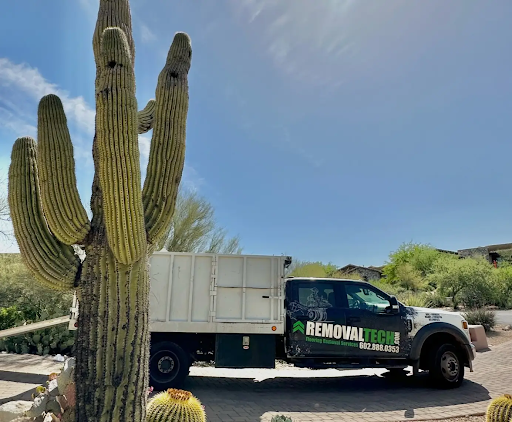
Removal Tech, a trusted provider dedicated to delivering seamless, professional waste removal solutions that save you time, protect your property, and give you the peace of mind that comes from knowing every load is handled the right way, stands out as the kind of service that makes a real difference from the moment you book.
If your next project involves more waste than your routine can handle, now is the time to bring in a team that’s built to manage it. The right removal service doesn’t just clear the clutter—it clears the way for everything that comes next.