Why Stockport’s ‘No-Prep’ Generation Is Choosing Composite Bonding Over Veneers

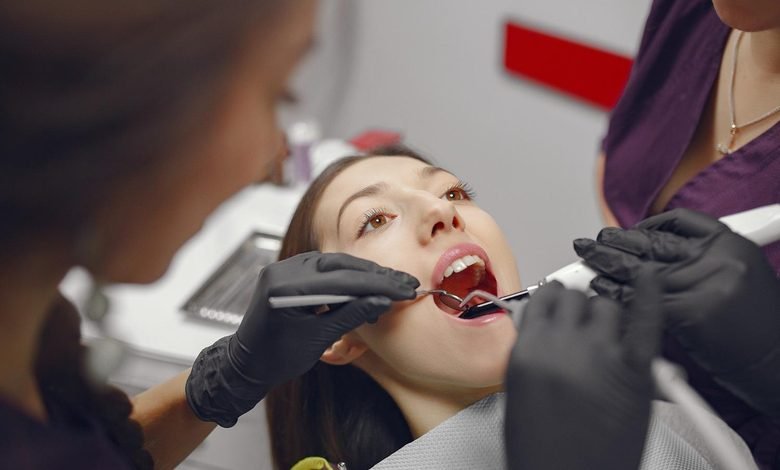
There’s a growing hesitation among younger patients about permanently altering healthy teeth. Videos showing botched veneer jobs and painful stories about enamel that was shaved down and never grew back have travelled fast online. That hesitation is a big part of why composite bonding has become such a popular alternative in Stockport.
Composite bonding offers a way to change how a tooth looks without cutting into the tooth itself. For a generation that’s grown wary of permanent cosmetic procedures, that difference matters more than it might have a decade ago.
What Makes Composite Bonding Different
Veneers usually require removing a thin layer of enamel so the veneer can sit flush against the tooth. Once that enamel is gone, it doesn’t come back, and the tooth will always need some form of covering from then on.
Composite bonding works differently. A tooth-coloured resin is applied directly to the existing tooth, shaped, and hardened in place. No enamel needs to be removed beforehand. This is the main reason so many patients researching composite bonding in Stockport describe it as the “safer” option, even when a dentist explains that veneers, done properly, are also a well-established treatment.
Why the “No-Prep” Approach Appeals to Younger Patients
People in their twenties and thirties tend to think further ahead than previous generations did about long-term dental decisions. Having grown up watching cosmetic dentistry play out publicly online, including the disasters, many are cautious about anything described as permanent.
Composite bonding fits this mindset well. It can be adjusted, repaired, or removed later if a patient changes their mind, without the tooth being permanently reshaped underneath. For anyone still weighing up long-term choices, this flexibility is a genuine selling point of composite bonding over a treatment that can’t be undone.
What Composite Bonding Can Actually Fix
Composite bonding is commonly used to close small gaps between teeth, repair chips, reshape a slightly uneven edge, or improve the colour of a tooth that doesn’t respond well to whitening. It won’t suit every case. Teeth with significant damage or major alignment issues may still need veneers, crowns, or orthodontic treatment instead.
A proper consultation is the only reliable way to know whether composite bonding is the right fit. A dentist will look at the condition of the tooth, how much change is realistically achievable, and whether the result will hold up well under normal biting and chewing.
How Long Composite Bonding Actually Lasts
One thing patients often ask about is durability. Composite bonding typically lasts several years with reasonable care, though it isn’t quite as long-lasting as porcelain veneers. It can also be topped up or repaired individual tooth by tooth if one area chips or wears down, rather than needing the whole treatment redone.
For many patients, that trade-off, slightly shorter lifespan in exchange for a reversible, enamel-preserving treatment, is one they’re happy to make. It’s part of why composite bonding continues to grow in popularity among people who want a smile improvement without permanent commitment.
Cost Compared With Veneers
Composite bonding is also generally less expensive than veneers, since it typically requires less time in the chair and doesn’t involve any lab work to create custom-made veneers. For patients wanting a smaller, more affordable change rather than a full smile transformation, composite bonding often makes more practical sense.
This combination- lower cost, no enamel removal, and a result that can be adjusted later- explains a lot of the shift toward composite bonding among Stockport patients researching their options before committing to anything.
A Practice That Sees This Shift First-Hand
Ivy Dental, a family-run practice that’s been part of the Stockport community for more than two decades, has noticed this change directly, with more patients asking about composite bonding specifically because they want to avoid removing any healthy tooth structure. That preference now shapes a lot of the cosmetic consultations happening across the town.
Final Thoughts
The rise of composite bonding in Stockport isn’t just about cost or convenience. It reflects a genuine shift in how people think about cosmetic dental work, favouring treatments that protect the natural tooth over ones that permanently change it. For anyone weighing up their options, understanding this difference is the most useful starting point before deciding what’s right for their own smile.
