Hertae Hap: Rare Lake Malawi Cichlid With Bold Color and Serious Aquarium Appeal

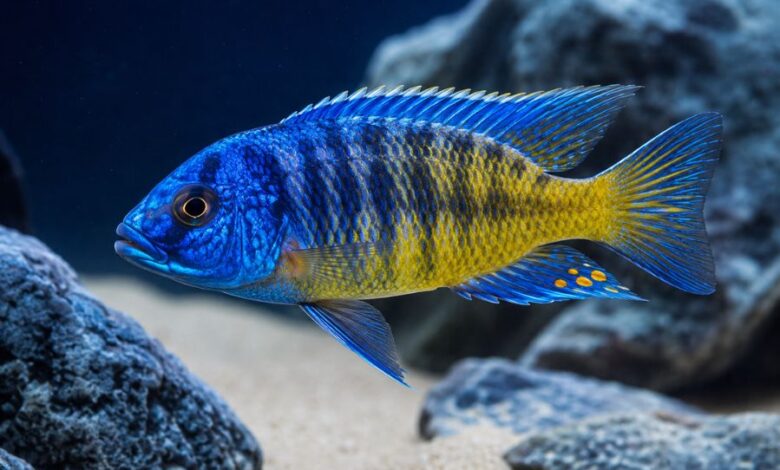
Hertae Hap: is a rare and beautiful African cichlid from Lake Malawi. It is often known in the aquarium hobby as Protomelas sp. “hertae”. This fish is admired for its strong body shape, active swimming style, and bold male colors. A mature male can show blue, yellow, red, and dark markings that make it stand out in a large Malawi cichlid tank.
This fish is not as common as many Peacock cichlids or popular Haps, which makes it more exciting for serious hobbyists. Many aquarists like Hertae Hap because it has a natural, wild look instead of an overbred aquarium appearance. It is graceful, powerful, and full of character. However, it is not a tiny beginner fish. It needs space, clean water, the right tank mates, and a keeper who understands African cichlid behavior.
Natural Origin and Lake Malawi Background
The Hertae Hap comes from Lake Malawi, one of the most famous freshwater lakes in Africa. This lake is known for its huge variety of cichlids. Many of these fish have developed different colors, feeding styles, and behaviors over time. Hertae Hap belongs to the haplochromine group, which includes many open-water and rock-associated cichlids.
In nature, Hertae Hap is linked with rocky zones and areas where rocks meet sand. This type of habitat gives the fish places to search for food, defend territory, and escape stronger rivals. It is not a true mbuna, even though it may use rocky areas. Mbuna are usually smaller, more aggressive rock-dwellers. Hertae Hap is larger, more open-swimming, and more graceful in movement.
This natural background is important because it explains how the fish should be kept in an aquarium. A tank for this species should not be designed like a small community aquarium. It should look and feel like a Malawi setup, with an open swimming room, clean water, sand, and rock structures.
Appearance and Male Coloration
One of the biggest reasons people search for Hertae Hap is its appearance. Young fish and females are usually much simpler in color. They may appear silver, grey, or lightly marked. This is normal for many Malawi Haps. The real beauty often appears when the male matures and becomes dominant.
A mature male can develop a rich blue tone across the body, with yellow or golden areas on the lower side. Some males also show red or orange details around the body and fins. The dorsal fin may display strong contrast, making the fish look even more dramatic under good aquarium lighting.
The body is strong but not bulky like some aggressive cichlids. It has a clean, athletic shape that suits active swimming. The lips may look thicker than those of some other Haps, which links to the way the fish searches for food around cracks and rocky surfaces. This feature gives Hertae Hap a different face and personality compared with more common Malawi cichlids.
Hertae Hap Size and Growth
Hertae Hap is a medium-to-large African cichlid. In an aquarium, males can grow close to 8 inches if kept well. Females are usually smaller. Growth depends on genetics, food quality, water quality, and tank size. Fish kept in cramped tanks may not show their best body shape or full color.
Because this fish can reach a strong adult size, it should not be placed in a small tank. A young Hertae Hap may look manageable at first, but it will need more room as it grows. This is one of the biggest mistakes new keepers make with Malawi Haps. They buy young fish without thinking about adult size.
A larger tank gives the fish space to swim and lowers stress. It also helps reduce fighting because weaker fish can move away from the dominant male. For best results, Hertae Hap should be kept in a spacious aquarium with strong filtration and regular water changes.
Ideal Tank Setup for Hertae Hap
A good Hertae Hap tank should be simple, clean, and practical. The bottom can be covered with sand because this gives a natural Malawi look and is safer for cichlids that may dig or search near the substrate. Rocks should be added to create caves, borders, and hiding places. At the same time, the tank should not be filled completely with rocks because this fish also needs open swimming space.
A long tank is better than a tall, narrow tank. Hertae Hap uses horizontal space, so length matters more than height. A tank with strong water movement and good oxygen levels will help the fish stay active and healthy. African cichlids also produce a lot of waste, so a powerful filter is important.
The water should be hard and alkaline, like many Lake Malawi setups. Stable water is more important than chasing perfect numbers every day. Sudden changes can stress the fish. Keep the water clean, avoid overfeeding, and test the aquarium regularly.
Diet and Feeding Needs
Hertae Hap is mainly a carnivorous cichlid in nature. It searches around rocks and cracks for small creatures such as insects, larvae, and soft invertebrates. In an aquarium, it should be fed a high-quality cichlid diet with enough protein, but the food should still be balanced.
Good options include quality cichlid pellets, crushed flakes for smaller fish, frozen foods, and occasional treats such as brine shrimp or mysis shrimp. Do not feed heavy, fatty foods too often. Also, avoid feeding large amounts of poor-quality food, as this can cause digestive issues and dirty water.
Feed small amounts that the fish can finish quickly. Overfeeding is a common problem in African cichlid tanks. It can lead to cloudy water, high nitrate, and unhealthy fish. A clean feeding routine is better than trying to make the fish grow too fast.
Temperament and Tank Mates
Hertae Hap is not the most violent Malawi cichlid, but it is still a cichlid with territorial behavior. Males can become aggressive, especially toward other males of the same kind or fish that look too similar. This is why it is usually better to keep one male with two or more females.
Tank mates should be chosen with care. Good options may include other medium-to-large Malawi Haps and peaceful to moderately assertive Peacock cichlids. Avoid very small fish because they may be bullied or eaten. Also, avoid highly aggressive mbuna that may harass the Hertae Hap or compete too strongly for rock space.
It is also smart to avoid keeping Hertae Hap with very similar Protomelas species. Similar-looking fish can fight more, and there may also be a risk of unwanted hybrid breeding. A clean species plan is better for serious cichlid keepers.
Breeding Behavior
Like many Lake Malawi cichlids, Hertae Hap is a maternal mouthbrooder. This means the female carries the eggs and young fry in her mouth. During breeding, the male displays to the female and tries to guide her to a spawning area. After the eggs are laid and fertilized, the female picks them up and holds them safely.
The female may carry the young for around three weeks before releasing them. During this time, she may eat very little or not at all. This is normal, but she should not be bullied heavily by other fish. Some breeders move holding females to a separate tank, while others leave them in the main aquarium if the setup is peaceful enough.
Fry can be fed crushed flakes, baby brine shrimp, or fine fry food once they are free-swimming. Clean water is very important for young fish. If the fry are being raised for pure lines, they should not be mixed with similar species.
Why Hertae Hap Is Popular With Experienced Hobbyists
Hertae Hap is popular because it feels special. It is not the fish everyone has in a basic African cichlid tank. Its rarity, natural beauty, and strong adult presence make it attractive to aquarists who want something different.
It is also interesting because it shows many of the best traits of Lake Malawi fish. It has color, movement, breeding behavior, and personality. It looks impressive without needing artificial color strains or unusual tank tricks. When kept well, it becomes a true centerpiece fish.
However, this popularity also means buyers should be careful. Always buy from trusted breeders or sellers when possible. Because rare cichlids can be confused with similar species, correct identification matters. A good seller should know the fish name, source, and care needs.
Common Care Mistakes to Avoid
One major mistake is keeping Hertae Hap in a tank that is too small. This can lead to stress, poor color, fighting, and weak growth. Another mistake is mixing it with the wrong tank mates. Very aggressive mbuna, tiny fish, or similar-looking Protomelas can create problems.
Poor water care is another issue. Malawi cichlids may look tough, but they still need stable, clean water. Skipping water changes or using weak filtration can quickly cause health problems. Overfeeding is also common, especially when owners want fast growth and bright color.
The best approach is simple. Give the fish space, feed quality food, keep the water clean, and avoid overcrowding with unsuitable species.
Is Hertae Hap Good for Beginners?
Hertae Hap is not the best first fish for someone who has never kept African cichlids before. It is better for hobbyists who already understand Malawi tank setup, aggression control, and water care. That does not mean it is impossible to keep, but it does require planning.
A beginner with a large enough tank, good research, and patience can succeed. But someone with a small tank or mixed community setup should avoid this species. Hertae Hap is most rewarding when it is kept in the right environment from the start.
Conclusion
Hertae Hap: is a rare and impressive Lake Malawi cichlid that deserves respect. It is colorful, active, and full of natural beauty. Mature males can become stunning show fish, while their behavior adds life and movement to a large African cichlid aquarium.
This fish is best for aquarists who can provide space, clean alkaline water, quality food, and carefully chosen tank mates. It is not a small community fish, and it should not be treated like a common beginner cichlid. When cared for correctly, Hertae Hap can become one of the most rewarding and eye-catching fish in a Malawi Hap collection.
(FAQs)
What is a Hertae Hap?
Hertae Hap is a rare Lake Malawi cichlid known as Protomelas sp. “hertae”. It is admired for its bold male color, active swimming, and interesting natural behavior.
How big does Hertae Hap get?
A male Hertae Hap can grow close to 8 inches in an aquarium. Females usually stay smaller, but both need a spacious tank.
Is Hertae Hap aggressive?
Hertae Hap is moderately aggressive. Males can be territorial, especially toward other males or similar-looking fish. One male with multiple females is often the safer choice.
What does Hertae Hap eat?
It should eat quality cichlid pellets, flakes, and small frozen or live foods. A balanced protein-rich diet works well, but overfeeding should be avoided.
Can Hertae Hap live with Peacock cichlids?
Yes, it can live with many Peacock cichlids if the tank is large and the fish are similar in size. Avoid very small, weak, or overly aggressive tank mates.