Best Empanadas de Cazón Near Me: How to Find an Authentic, Crispy Venezuelan Favourite

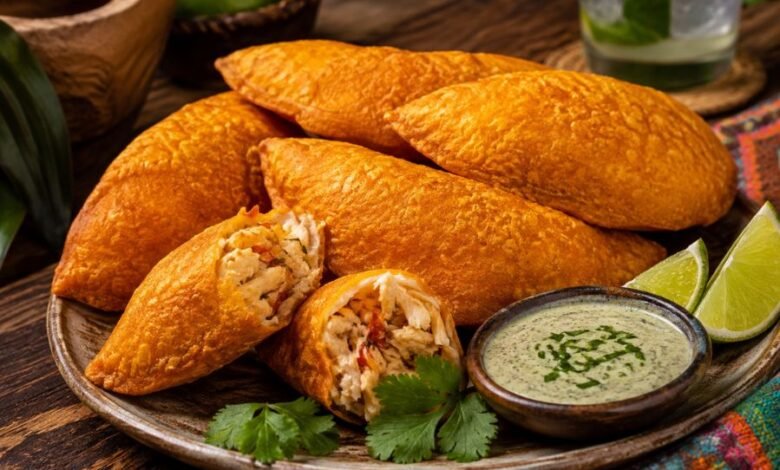
Finding the best empanadas de cazón near me is not simply about choosing the closest restaurant. A great empanada de cazón combines a crisp corn shell with a moist, well-seasoned seafood filling and the character of Venezuelan coastal cooking. Cazón traditionally refers to a small shark used in Venezuelan cuisine, and cazón-filled empanadas are especially associated with the country’s eastern coast and Margarita Island.
For anyone trying this food for the first time, a little knowledge makes the search easier. Menus may use different spellings, availability can change from day to day, and some restaurants may substitute another fish. This guide explains what an authentic version is like, where to look locally, how to judge quality and what to ask before ordering.
What Makes Empanadas de Cazón Special?
Venezuelan empanadas are typically made from corn dough, folded into a half-moon shape and fried. Fillings vary, with cheese, meat, chicken and cazón among familiar choices. The cazón version stands out because it brings a savoury seafood filling into a crisp, slightly hearty corn shell.
The filling is generally cooked before it goes into the dough. Traditional cazón preparations can include garlic, onion, sweet pepper, spring onion, seasoning and vinegar, producing a mixture that is aromatic without needing to overwhelm the fish.
The Margarita Island Connection
Empanadas de cazón have a particularly strong link with Margarita Island. In Porlamar, on Margarita, the cazón empanada is described as a classic local choice, reflecting the wider importance of seafood in the island’s food culture.
That background helps explain why this is more than a generic fish turnover. The dish combines Venezuelan corn-based cooking with the flavours of the Caribbean coast, making the filling and the shell equally important.
How to Find the Best Empanadas de Cazón Near Me
Start with Venezuelan restaurants, areperas, Latin American bakeries, cafés, market kitchens and food trucks. Cazón is a more specialised filling than cheese or beef, so a general empanada shop may not carry it.
Use several search variations rather than only one phrase. Try “empanada de cazón,” “empanadas de cazón,” “cazon empanada,” “Venezuelan fish empanada” and “Venezuelan seafood empanadas.” Searching both cazón and cazon is useful because some online menus omit accent marks.
Confirm the Current Menu
Seafood fillings may be offered only on certain days or in limited quantities. Check the restaurant’s latest menu, recent social posts or call before making a long journey.
This matters because local search results can show old photographs or reviews for dishes that are no longer available. A quick confirmation also gives you the chance to ask what fish the kitchen currently uses.
Do Not Ignore Small Local Businesses
Some strong Venezuelan empanadas come from family-run counters, market stalls and small takeaway kitchens. Venezuela Tuya describes markets in Puerto La Cruz selling empanadas with fillings including cazón, showing the dish’s connection with casual market food as well as restaurants.
A small menu is not a disadvantage when the kitchen specialises in a few Venezuelan favourites. Fresh preparation and good frying technique often matter more than the size of the business.
How to Recognise a Good Empanada de Cazón
The shell should be crisp without being hard, excessively thick or greasy. It needs enough structure to hold the filling but should not dominate every bite.
The cazón mixture should be moist, well seasoned and evenly distributed. Too much liquid can soften the dough, while an overly dry filling can make the empanada feel heavy. The best versions keep the seafood flavour noticeable while using aromatics to add depth.
Fresh Frying Matters
Empanadas are best soon after frying. If they sit for too long, steam from the filling can soften the crust, while the outside may become oily or tough.
For takeaway, a long trip can reduce crispness even when the empanada was prepared well. If two nearby places have similar reputations, the shorter journey may give you a better first experience.
Check the Filling-to-Dough Balance
Bigger is not always better. A well-made empanada should give you both corn shell and cazón in most bites.
Too much dough feels dry and heavy. Too much filling can split the shell. Look for a balanced half-moon with enough filling to feel generous without making the empanada difficult to eat.
What Does Cazón Taste Like?
Cazón has a savoury seafood flavour that works well with onions, peppers, garlic and other seasonings. Because the cooked fish is often flaked or shredded, its texture is closer to a seasoned seafood filling than a whole fish fillet.
The final taste depends greatly on the cook. One kitchen may keep the seasoning light so the fish remains prominent, while another may use a richer guiso-style mixture. That is why two empanadas with the same name can taste noticeably different.
The fried corn dough also changes the experience. It provides a firmer, more distinctive shell than many wheat-based pastries and gives Venezuelan empanadas their recognisable character.
Sauces That Pair Well With Cazón Empanadas
Venezuelan empanadas are commonly eaten with condiments such as guasacaca, mayonnaise-based sauces and hot sauces.
Guasacaca can add freshness, while chilli sauce adds heat and garlic sauce creates a richer finish. Use a small amount first. A strong sauce can easily cover the seafood flavour that makes a cazón empanada distinctive.
What to Ask Before Ordering
If authenticity matters, ask whether the filling is made with actual cazón, which fish species is used and whether the filling is prepared in-house. Outside Venezuela, sourcing may vary, so some restaurants may use another fish.
That does not automatically mean the empanada will be poor. A well-seasoned substitute can still be enjoyable, but the restaurant should be clear about what it serves.
People with food allergies should also ask about ingredients and cross-contact. Seafood empanadas may be prepared in kitchens that handle shellfish, dairy, wheat or other allergens.
A Food-Safety Point About Shark
Because traditional cazón can refer to shark, mercury guidance is relevant for some diners. The U.S. Food and Drug Administration currently places shark in its “Choices to Avoid” category because of high mercury levels, particularly in guidance for people who are pregnant or breastfeeding and for young children.
If this guidance applies to you or someone you are ordering for, ask which species the restaurant uses and follow the advice of your local health authority. A substitute fish may have a different mercury profile, so the menu name alone does not provide enough information.
When Is the Best Time to Eat Them?
Venezuelan empanadas are strongly associated with casual meals and breakfast, although they can be enjoyed at other times of day. For a specialised filling such as cazón, checking morning and lunch availability can be worthwhile.
The more important factor is freshness. A newly fried empanada will usually have a better contrast between crisp shell and soft filling than one that has been held for a long time.
How to Choose Between Nearby Restaurants
When several businesses appear in your search for the best empanadas de cazón near me, do not rely only on the overall star rating. Look at recent customer photos and reviews for details about crispness, filling quantity, freshness and whether cazón is still available.
Recent information is more useful than an old menu image. Reviews that describe the actual empanada are also more valuable than broad comments such as “great food.”
If possible, choose a place that clearly identifies itself as Venezuelan and shows consistent experience with corn-dough empanadas. That improves the chance of getting the texture and flavour the dish is known for.
Conclusion
The best empanadas de cazón near me should offer more than convenience. Look for a Venezuelan kitchen that balances crisp corn dough with a moist, well-seasoned seafood filling, and confirm that cazón is currently available before travelling.
Searching with both Spanish and English terms can uncover small areperas, cafés and family-run kitchens that broader searches miss. Fresh frying, balanced filling and clear seafood flavour are stronger quality signals than size alone. It is also worth asking which fish species is used, especially when traditional shark is unavailable or mercury guidance is relevant. Once you know these details, it becomes much easier to choose an empanada de cazón that feels fresh, authentic and worth the trip.
(FAQs)
What is an empanada de cazón?
It is a Venezuelan-style fried corn empanada filled with seasoned, cooked cazón. Cazón traditionally refers to small shark used in Venezuelan coastal cooking.
Where can I find empanadas de cazón near me?
Check Venezuelan restaurants, areperas, Latin American cafés, bakeries, food trucks and market kitchens. Search both “cazón” and “cazon,” then confirm the current menu before visiting.
How can I tell if an empanada de cazón is fresh?
A fresh one should be hot and crisp without feeling heavily oily. The filling should remain moist and aromatic without making the shell soggy.
Are empanadas de cazón spicy?
Not necessarily. They can be strongly seasoned without being hot. Many restaurants provide chilli, garlic or other sauces separately, allowing you to control the heat.
Is cazón always shark?
Traditionally, cazón refers to small shark, but some restaurants may use another fish because of local availability or sourcing. Ask the restaurant which species is used if that distinction matters to you.