Can a Roof Be Replaced in the Rain?

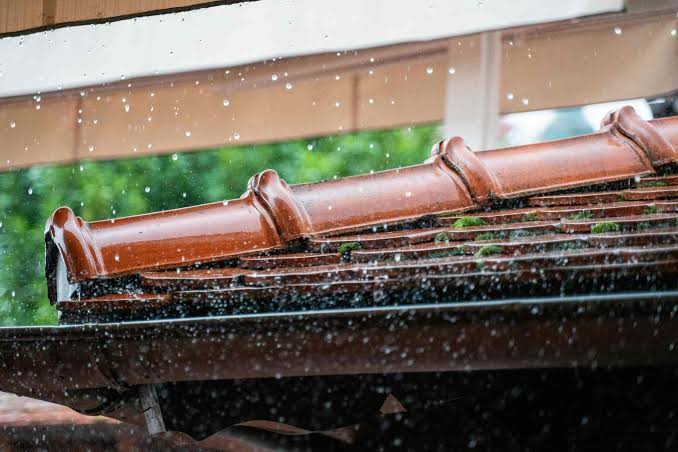
One of the most common questions homeowners ask is whether a roof can be replaced while it’s raining. The simple answer is that professional roofing contractors avoid exposing a home’s roof deck during active rain whenever possible. Water entering the home during a roof replacement can damage insulation, drywall, wood decking, and other structural components, so protecting the home is always the highest priority.
Before a roof replacement begins, roofing companies closely monitor weather forecasts. If heavy rain is expected, the project may be delayed until conditions improve. While rescheduling can be inconvenient, it helps ensure the roof is installed properly and prevents unnecessary water damage during construction.
If unexpected rain develops after work has already started, experienced roofing crews act quickly to protect the home. Heavy-duty waterproof tarps are used to cover exposed sections of the roof until the weather passes. Many professional contractors remove only the sections of roofing they can safely replace the same day, limiting how much of the roof deck is exposed at one time.
Proper planning is one of the keys to a successful roofing project. Materials are delivered before work begins, crews are assigned to specific areas of the roof, and installation is organized so new underlayment and shingles are installed as efficiently as possible. This reduces the amount of time the roof is exposed during the replacement process.
Safety is another important factor. Wet roofs become extremely slippery, increasing the risk of falls and accidents. Professional roofing contractors prioritize worker safety and may temporarily stop work during heavy rain, lightning, or high winds. No roofing project is worth risking the safety of the crew.
After the rain has passed, roofing professionals inspect the roof deck before continuing installation. If any moisture is present, they ensure the surface is dry before installing underlayment and shingles. Installing roofing materials over wet decking can trap moisture beneath the roofing system, potentially leading to mold, wood deterioration, or reduced performance over time.
For homeowners, the best approach is to work with an experienced roofing contractor that carefully watches the weather and has a clear plan for protecting the home if conditions change unexpectedly. A reputable contractor will always prioritize proper installation over rushing to finish a project.
Although rain can temporarily delay a roof replacement, those delays help ensure the finished roofing system performs as intended for many years. Taking the time to install the roof under the right conditions is one of the best ways to protect your investment and provide long-lasting weather protection for your home.