The Hidden Signs Your HVAC System Is Wasting Energy

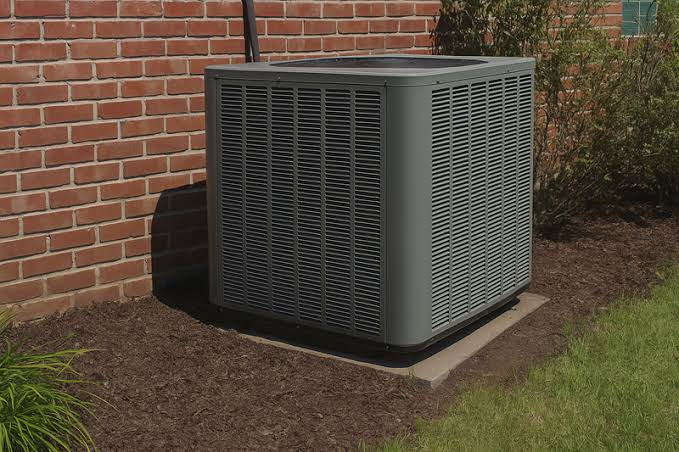
Heating, ventilation, and air conditioning (HVAC) systems play a vital role in maintaining comfortable indoor environments throughout the year. Whether it’s keeping a home cool during the summer or providing warmth on colder days, a properly functioning HVAC system contributes to comfort, indoor air quality, and energy efficiency.
However, HVAC systems naturally lose efficiency over time. Many homeowners and business owners don’t realize their equipment is wasting energy until utility bills begin to rise or comfort levels decline. The warning signs often develop gradually, making them easy to overlook.
Recognizing these hidden indicators early can help reduce energy costs, extend equipment life, and minimize the likelihood of expensive repairs. This article explores the most common signs that an HVAC system may be wasting energy and what property owners can do to improve efficiency.
Why HVAC Efficiency Matters
Heating and cooling systems are among the largest energy consumers in most residential and commercial buildings. When equipment operates efficiently, it maintains comfortable temperatures while minimizing electricity consumption.
An inefficient HVAC system, on the other hand, must work harder to produce the same results. This leads to:
- Higher utility bills
- Increased wear on equipment
- Reduced indoor comfort
- More frequent repairs
- Shorter system lifespan
Routine maintenance and early problem detection are key to preventing unnecessary energy waste.
Sign #1: Rising Energy Bills Without Increased Usage
One of the earliest indicators of declining HVAC efficiency is an unexplained increase in monthly energy bills.
If electricity costs continue rising despite similar weather conditions and household habits, the HVAC system may be consuming more power than necessary.
Common causes include:
- Dirty air filters
- Aging components
- Refrigerant issues
- Restricted airflow
- Worn motors
- Thermostat problems
Monitoring monthly utility statements can help identify unusual increases before larger issues develop.
Sign #2: Uneven Temperatures Throughout the Building
Do some rooms feel significantly warmer or cooler than others?
Uneven temperatures often indicate that the HVAC system is struggling to distribute conditioned air effectively.
Possible causes include:
- Leaking ductwork
- Blocked vents
- Poor insulation
- Failing blower motors
- Incorrect system sizing
When airflow becomes inconsistent, equipment typically runs longer to satisfy thermostat settings, increasing energy consumption.
Sign #3: The HVAC System Runs Constantly
Modern HVAC systems cycle on and off throughout the day.
If the equipment rarely shuts off or operates for unusually long periods, it may be losing efficiency.
Continuous operation can result from:
- Dirty condenser coils
- Low refrigerant
- Air leaks
- Inadequate insulation
- Oversized or undersized equipment
Longer operating cycles place additional stress on system components while increasing electricity usage.
Sign #4: Weak Airflow
Weak airflow is another common sign of energy loss.
Reduced airflow makes it more difficult to maintain comfortable indoor temperatures, forcing the HVAC system to operate longer.
Possible reasons include:
- Dirty filters
- Obstructed ductwork
- Blower motor problems
- Closed vents
- Clogged evaporator coils
Improving airflow allows conditioned air to circulate more efficiently throughout the building.
Sign #5: Frequent Cycling
Short cycling occurs when an HVAC system repeatedly turns on and off before completing a normal heating or cooling cycle.
Frequent cycling may result from:
- Thermostat malfunctions
- Dirty air filters
- Refrigerant imbalance
- Electrical issues
- Improper system sizing
Short cycling wastes energy while increasing wear on compressors and motors.
Sign #6: Excess Indoor Humidity
A properly functioning air conditioning system removes excess moisture while cooling indoor spaces.
If humidity levels remain high indoors, the HVAC system may no longer be operating efficiently.
Signs include:
- Sticky indoor air
- Condensation on windows
- Musty odors
- Mold growth
- Increased allergy symptoms
Maintaining balanced humidity improves comfort while reducing unnecessary cooling demand.
Sign #7: Unusual Noises
Although HVAC systems naturally produce some operating sounds, new or unusual noises often indicate developing mechanical problems.
Examples include:
- Grinding
- Squealing
- Rattling
- Buzzing
- Banging
Ignoring these warning signs may allow minor issues to become larger, more expensive repairs.
Sign #8: Poor Indoor Air Quality
Energy efficiency and indoor air quality often go hand in hand.
Dirty HVAC components may circulate:
- Dust
- Pollen
- Pet dander
- Mold spores
- Airborne contaminants
When filters and ventilation systems become neglected, airflow decreases while pollutants accumulate indoors.
Routine maintenance improves both efficiency and occupant health.
Sign #9: Aging HVAC Equipment
Even well-maintained HVAC systems eventually lose efficiency.
Older systems typically consume more energy than modern high-efficiency equipment because they lack many of today’s advanced technologies.
Newer systems often include:
- Variable-speed compressors
- Smart thermostats
- Zoned climate control
- High-efficiency motors
- Improved refrigerants
Upgrading aging equipment can significantly reduce long-term operating costs.
Sign #10: Maintenance Has Been Delayed
One of the most common reasons HVAC systems waste energy is simply a lack of regular maintenance.
Preventive maintenance typically includes:
- Filter replacement
- Coil cleaning
- Refrigerant inspection
- Electrical testing
- Thermostat calibration
- Drain cleaning
- Airflow evaluation
These routine services help maintain peak operating efficiency throughout the year.
Property owners looking for dependable hvac cypress professionals often schedule seasonal inspections before periods of heavy heating or cooling demand. Preventive service helps identify small issues before they lead to increased energy consumption or unexpected breakdowns.
Smart Technology Helps Detect Inefficiency
Modern HVAC systems increasingly incorporate smart technologies that monitor system performance.
Examples include:
- Smart thermostats
- Wi-Fi-enabled controls
- Energy monitoring platforms
- Predictive maintenance software
- Connected building automation systems
These technologies identify performance changes early, allowing homeowners and facility managers to address inefficiencies before energy costs rise.
Building Envelope Matters Too
Not every HVAC efficiency issue originates within the equipment itself.
Poor building performance also contributes to energy waste.
Areas to inspect include:
- Roof insulation
- Wall insulation
- Windows
- Doors
- Air leaks
- Weatherstripping
Improving the building envelope reduces heating and cooling demand, allowing HVAC systems to operate more efficiently.
Why Preventive Maintenance Saves Money
Routine HVAC maintenance offers long-term financial benefits.
Proper maintenance can help:
- Lower utility bills
- Improve indoor comfort
- Extend equipment lifespan
- Reduce emergency repairs
- Improve indoor air quality
- Maintain manufacturer warranties
Investing in preventive care is often far less expensive than replacing major HVAC components after avoidable failures.
Businesses and homeowners seeking reliable hvac spring services frequently prioritize maintenance programs because regular inspections reduce operating costs while improving year-round system performance.
Simple Ways to Improve HVAC Efficiency
Several practical steps can help reduce energy waste:
Replace Air Filters Regularly
Clean filters improve airflow while reducing equipment strain.
Keep Outdoor Units Clean
Remove leaves, dirt, and debris around outdoor condenser units to improve heat transfer.
Seal Air Leaks
Weatherstrip doors and windows to reduce conditioned air loss.
Upgrade to a Smart Thermostat
Programmable temperature controls help reduce unnecessary energy consumption.
Schedule Annual Professional Maintenance
Routine inspections identify efficiency problems before they become costly repairs.
Improve Insulation
Proper insulation reduces heating and cooling demand throughout the year.
The Long-Term Value of an Efficient HVAC System
Energy-efficient HVAC systems provide benefits beyond lower utility bills.
Well-maintained systems also contribute to:
- Better indoor comfort
- Healthier indoor air
- Reduced environmental impact
- Improved property value
- Greater equipment reliability
These advantages make preventive maintenance an important part of responsible home and facility management.
Frequently Asked Questions
How can I tell if my HVAC system is wasting energy?
Common signs include rising energy bills, uneven temperatures, weak airflow, frequent cycling, excessive humidity, unusual noises, and declining indoor comfort.
Why do dirty air filters reduce efficiency?
Dirty filters restrict airflow, forcing HVAC systems to work harder and consume more electricity to maintain desired temperatures.
How often should HVAC systems be serviced?
Most manufacturers recommend professional maintenance at least twice a year—typically before the cooling and heating seasons—to keep systems operating efficiently.
Can upgrading an older HVAC system reduce energy costs?
Yes. Modern high-efficiency HVAC systems often consume significantly less energy while providing better temperature control and improved indoor air quality.
Is preventive maintenance worth the cost?
In most cases, yes. Routine maintenance helps reduce energy consumption, extend equipment lifespan, minimize repair costs, and improve overall system performance.
Conclusion
An HVAC system rarely becomes inefficient overnight. Instead, energy waste often develops gradually through dirty filters, restricted airflow, aging components, poor insulation, and deferred maintenance. Recognizing these hidden signs early allows homeowners and business owners to take corrective action before utility bills increase or costly repairs become necessary.
By replacing filters regularly, scheduling professional inspections, improving insulation, and addressing small issues promptly, property owners can keep their HVAC systems operating efficiently for years to come. A proactive approach not only lowers energy costs but also enhances indoor comfort, supports healthier air quality, and helps maximize the long-term value of the entire building.