Who Is Bev Land? The Quiet Hollywood Story Behind Dania Ramirez’s Husband

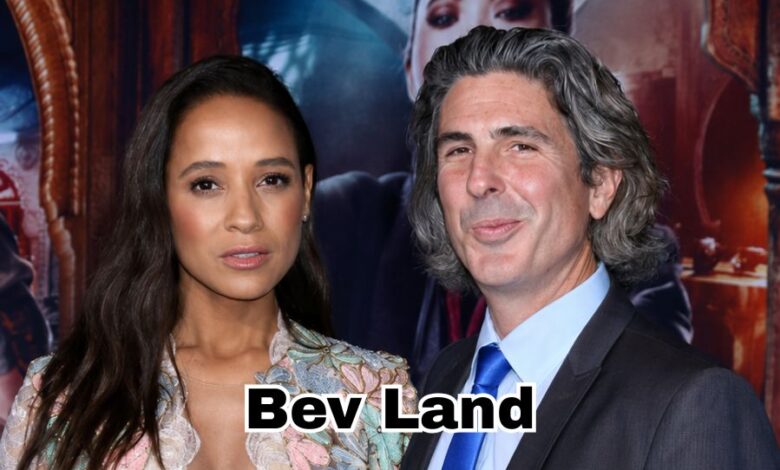
For many readers, the name Bev Land first appears through celebrity headlines about actress Dania Ramirez. That is understandable, because public entertainment coverage has introduced him to a wider audience mainly through their marriage. But that version of the story is only the surface. Bev Land, publicly identified as John Beverly Amos Land, is an American film creative whose work spans acting, writing, directing, and producing. Public film listings connect him with acting credits in Face the Music, All Over the Guy, and Social Misfits, while later career listings show him taking on multiple behind-the-camera roles for Lycan, including director, writer, and producer. In other words, he is not simply “a celebrity husband.” He is one of those industry figures whose career has unfolded more quietly than the stars around him, yet still reflects years of creative effort and professional persistence.
That quieter profile is exactly why people keep searching for him. In the world of entertainment, highly visible stars often have partners whose lives become topics of curiosity. The more private that partner seems, the more people want to know. Bev Land fits that pattern. He has a recognisable name in celebrity media, but he has never built his image on nonstop publicity. Instead, the available public picture is of a man who has stayed close to film work, family life, and a relatively low-key personal identity. That balance gives his story a different feel from the usual Hollywood narrative. It is less about glamour for its own sake and more about the steady presence of someone who has worked in the industry while also living in the orbit of more visible fame.
A Family Background That Sparks Curiosity
Part of the fascination around Bev Land comes from his family background. Public biography notes on IMDb describe him as the grandson of John Beverly Amos, identified there as the founder of Aflac. That detail gives his story an unusual dimension because it places him in a family associated with a major business legacy rather than with film and television. Yet the same biographical material suggests he chose a different road. Instead of following the path of corporate success, public profiles describe him as someone drawn to storytelling and visual work from an early age, even starting to write, direct, and edit films as a teenager in his family’s basement. That kind of origin story adds texture to his image. It suggests someone whose interest in movies was not a passing ambition, but a creative pull that began long before public attention arrived.
This family connection also explains why some online biographies about Bev Land can sound more dramatic than expected. His name carries echoes of wealth, legacy, and social prominence, yet his public life does not read like that of a businessman’s heir. Instead, he appears as a person who stepped away from the assumptions that might have followed his surname and tried to build something more personal in entertainment. That contrast between inherited legacy and chosen passion makes him especially interesting. Readers often respond to stories in which someone could have taken the obvious route, but deliberately chose the uncertain one. In Bev Land’s case, that uncertain route seems to have been filmmaking, and that decision still shapes how he is understood today.
Bev Land’s Career in Film
If the central question is “Who is Bev Land?”, the professional answer begins with film. Public credit databases show that he worked as an actor in projects including Social Misfits, All Over the Guy, and Face the Music. These are not the kind of mainstream blockbuster credits that create instant household recognition, but they matter because they show a genuine foothold in the entertainment world. Many careers in Hollywood are built exactly this way, through modest projects, lesser-known roles, and gradual experience rather than through one spectacular breakthrough. Bev Land’s acting history suggests that he learned the business from the inside, participating in films that may have been small in profile but still valuable as professional steps.
What makes his career more compelling, however, is that he did not remain limited to acting. Public listings from TV Guide and IMDb show that Lycan is the project most strongly linked to his later creative identity, with credits as director, writer, and producer. That shift is important because it reveals a broader ambition. Acting puts someone inside a story, but directing and writing allow them to shape the story itself. Producing adds another layer of responsibility, requiring vision as well as execution. When one person holds all of those roles on a single project, it usually reflects more than casual involvement. It points to creative ownership. In Bev Land’s case, Lycan stands as the clearest public evidence that he moved beyond being a performer and grew into someone more interested in making films from the ground up.
That matters because it changes how people should read his career. He is not best understood as a failed star or a supporting figure next to better-known names. He is better understood as a working film creative who gradually shifted from appearing on screen to shaping work behind the camera. That kind of path is common among serious creatives, especially those who care more about storytelling than about celebrity branding. It may not generate constant headlines, but it often reflects the deeper reality of the industry. Hollywood is full of people who are famous, but it is sustained by people who create, organise, and finish the work. Bev Land’s credits place him closer to that second group.
Marriage to Dania Ramirez and Public Recognition
For the broader public, Bev Land became far more visible because of his relationship with Dania Ramirez. Us Weekly’s wedding coverage identified him as John Beverly Amos Land, known as Bev, and reported that he married Ramirez in the Dominican Republic on February 16, 2013. The same report described him as a director/writer and noted that the ceremony took place in Punta Cana. This moment was significant because it pushed his name into mainstream celebrity conversation. Before that, he was mainly a film worker with selective credits. After that, he also became the answer to a very searchable question: who is Dania Ramirez’s husband?
There is another reason this marriage matters in his public story. It introduced him to audiences who care about celebrity relationships, but it also humanised his image. He was not presented as a headline-chaser or a tabloid personality. Instead, the coverage framed the relationship in affectionate, personal terms, focusing on the couple’s connection and the warmth of the wedding itself. That softer public framing helped shape how many people came to see him. Rather than appearing as a loud or overly manufactured figure, Bev Land entered popular awareness as part of a love story that felt grounded, romantic, and somewhat private even while being public. That tone still follows his image today.
One interesting detail in the available coverage is that some repeated online biographies about Bev Land do not align neatly with contemporaneous reporting. For example, the often-circulated claim that he was born in 1956 does not match Us Weekly’s 2013 wedding report, which described him as 35 years old at the time. That would place his birth year much later. Because of that conflict, it is wiser to be careful with exact birth-date claims unless a stronger biographical source confirms them directly. This confusion is part of why celebrity biography pages sometimes become messy: one repeated detail can travel widely even when it does not sit comfortably with better-timed reporting.
Fatherhood, Sharon Leal, and a Blended Family Life
Another major part of the Bev Land story is fatherhood. Public biographies and entertainment databases show that he has a son, Kai Miles Land, from his earlier relationship with actress Sharon Leal. IMDb-related entries identify Kai as the son of Sharon Leal and Bev Land, and People’s 2013 report on Dania Ramirez’s pregnancy noted that Land was already father to Kai from a previous relationship. This detail adds emotional depth to his biography because it shows that his public family life did not begin with one relationship alone. Instead, it evolved over time, making his personal story feel more layered and real than the simplified versions often found in celebrity summaries.
Later in 2013, People reported that Dania Ramirez was expecting twins with her husband, John Beverly Amos Land, and described the babies as the couple’s first children together. That report helped cement Bev Land’s image not only as a husband, but also as the centre of a growing blended family. Public interest tends to deepen when a celebrity story moves from romance into parenthood, because it makes the people involved feel more established and relatable. In this case, it also strengthened the sense that Bev Land’s life is defined less by scandal or noise and more by creative work, marriage, and family responsibility. That may sound simple, but in celebrity culture simplicity often stands out more than chaos.
Why Bev Land Still Interests Readers
The reason readers continue to search for Bev Land is that his story lives in several categories at once. He belongs to entertainment because of his acting and filmmaking credits. He belongs to celebrity biography because of his marriage to Dania Ramirez. He belongs to family-interest coverage because of his children and blended family life. And he belongs to that strange, compelling corner of Hollywood where someone can be publicly known without being constantly exposed. That combination keeps his name relevant. He may not dominate entertainment headlines, but he remains the kind of figure people rediscover whenever they search for Ramirez’s personal life, browse old film credits, or look into quieter Hollywood careers.
What stands out most is the sense of proportion in his story. Bev Land is neither a complete mystery nor an overpublicised celebrity product. He occupies the middle ground, and that often makes people more curious, not less. His public identity feels incomplete enough to invite questions but substantial enough to reward them. That is why the keyword Bev Land continues to work so well in biography-style searches. It points to a person who has real credits, real family ties, real celebrity connections, and just enough privacy to remain intriguing.
Conclusion
So, who is Bev Land? He is an American film creative, publicly known as John Beverly Amos Land, whose career includes acting, writing, directing, and producing. He comes from a family background that attracts attention, yet his personal path appears to have been shaped more by filmmaking than by business legacy. He is also widely recognised as the husband of Dania Ramirez, the father of Kai Miles Land from a previous relationship, and the father of twins born during his marriage to Ramirez. What makes Bev Land memorable is not loud celebrity culture, but the quieter mix of work, family, and public curiosity that surrounds him. In a world full of overexposed names, his story feels different precisely because it has stayed more measured, more private, and more human.
(FAQs)
Who is Bev Land?
Bev Land is an American actor, writer, director, and producer. Public coverage also identifies him by his full name, John Beverly Amos Land.
Why is Bev Land famous?
He is known both for his film work and for being married to actress Dania Ramirez, which brought his name into wider celebrity coverage.
What movies or projects is Bev Land linked with?
Public credit listings connect him with Social Misfits, All Over the Guy, Face the Music, and Lycan, where he is credited as director, writer, and producer.
Does Bev Land have children?
Yes. Public sources indicate he is the father of Kai Miles Land from a previous relationship and later welcomed twins with Dania Ramirez.
Is the widely repeated 1956 birth year for Bev Land reliable?
It is doubtful. Us Weekly’s 2013 wedding coverage described him as 35 years old at the time, which does not match a 1956 birth year, so that claim should be treated carefully unless confirmed by a stronger source