Felicity Kendal: The Enduring Grace and Timeless Talent of British Television and Theatre

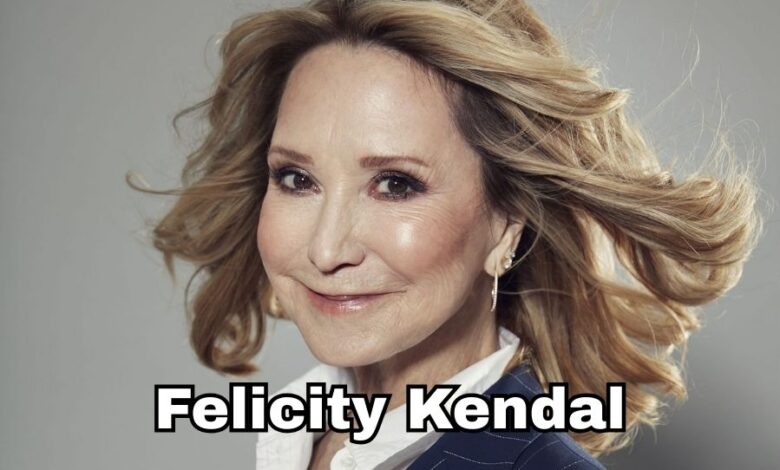
Felicity Kendal was born on 25 September 1946 in Olton, Warwickshire, England, yet her childhood was far from traditionally British. Raised largely in India, she grew up immersed in a theatrical environment created by her father, Geoffrey Kendal, who ran a touring repertory company that performed Shakespeare across the Indian subcontinent. Instead of attending a conventional school, she learned through experience—travelling from town to town, absorbing languages, cultures, and the rhythms of live performance. This unusual upbringing instilled in her a deep appreciation for literature, particularly Shakespeare, and a resilience that would later define her career. Living among actors and performing from a young age meant that the stage was not a distant ambition but an everyday reality. The Kendal family’s dedication to theatre in India would later inspire the acclaimed film Shakespeare Wallah, which captured a fading era of British touring theatre in post-colonial India and in which Felicity appeared.
Breaking Through on British Television
Although she had performed since childhood, it was British television that introduced Felicity Kendal to millions of viewers. Her breakthrough role came in 1975 when she starred as Barbara Good in the BBC sitcom The Good Life. The series, which ran until 1978, followed a suburban couple who decided to pursue self-sufficiency, growing their own food and rejecting consumerist comforts. Kendal’s portrayal of Barbara was fresh, spirited, and relatable; she brought warmth and intelligence to a character who could easily have become caricatured. The chemistry between Kendal and co-star Richard Briers became one of the defining elements of the show’s success.
The popularity of The Good Life was extraordinary. It resonated with 1970s Britain, reflecting economic uncertainty and a growing interest in alternative lifestyles. Kendal’s performance captured the optimism and determination of a generation seeking change. Her natural charm and expressive subtlety made Barbara Good a cultural icon, and even decades later, the series remains a staple of British comedy. However, what distinguishes Felicity Kendal from many sitcom stars is her refusal to be defined by a single role. While audiences adored her as Barbara, she consciously diversified her work to avoid typecasting.
A Flourishing Stage Career in the West End
While television brought her widespread fame, the theatre remained her first love. Felicity Kendal built a formidable stage career, particularly in London’s West End, earning critical acclaim for performances in both classical and contemporary works. She has appeared in plays by Shakespeare, Noël Coward, and Tom Stoppard, demonstrating remarkable range. Her interpretation of leading female roles often highlighted intelligence and emotional depth rather than melodrama, earning her a reputation as a thoughtful and disciplined performer.
Her stage work includes celebrated productions such as Arcadia, where she navigated complex dialogue with clarity and wit, and various Shakespearean roles that paid homage to her formative years in India. Critics frequently praised her for balancing vulnerability with strength, bringing authenticity to characters who might otherwise seem distant. This enduring commitment to theatre underscores one of her defining traits: dedication to craft over celebrity. Even at the height of television fame, Kendal returned repeatedly to the stage, proving that her artistic priorities lay in performance rather than publicity.
Expanding Horizons: Film and Later Television
Though best known for her television and theatre work, Felicity Kendal also made her mark in cinema. Her early appearance in Shakespeare Wallah connected her personal history to the screen, while later film roles further showcased her adaptability. In television, she continued to take on diverse characters, including roles in period dramas and contemporary series. Rather than chasing trend-driven parts, she selected projects that allowed for meaningful storytelling and nuanced character development.
In the 1980s and 1990s, she appeared in a range of productions that reaffirmed her status as a respected actress rather than simply a nostalgic favourite. She demonstrated a willingness to explore complex emotional narratives, portraying women grappling with moral dilemmas, family tensions, and personal reinvention. This capacity for reinvention kept her relevant in an industry that often sidelines actresses as they age. Kendal’s sustained presence on British screens reflects both her talent and her professional adaptability.
Public Persona and Cultural Impact
One of the most remarkable aspects of Felicity Kendal’s career is the consistency of her public image. She has long been associated with grace, intelligence, and understated elegance. Unlike many celebrities, she maintained a relatively private personal life, allowing her work to remain the primary focus of public attention. This restraint contributed to her enduring respectability and helped her avoid the pitfalls of fleeting fame.
Her participation in the BBC’s Strictly Come Dancing in 2010 introduced her to a new generation of viewers. At the age of 64, she embraced the physical challenge of competitive dance, demonstrating vitality and courage. Although she did not win the competition, her involvement revealed a willingness to step outside her comfort zone and engage with contemporary entertainment formats. It reinforced the perception of Kendal as someone open to growth rather than content to rest on past achievements.
Personal Life and Resilience
Felicity Kendal’s personal journey has not been without difficulty. She experienced both professional triumphs and private hardships, including the loss of her father and the complexities of balancing family life with a demanding career. Yet she has consistently approached challenges with quiet resilience. Rather than seeking public sympathy, she has maintained a dignified composure that mirrors the characters she often portrays.
Her marriages and family life have occasionally attracted media interest, but Kendal has largely shielded her private experiences from sensationalism. This discretion reflects a broader philosophy: that an actor’s legacy should be defined by performance rather than personal drama. In an era increasingly dominated by celebrity culture, her measured approach feels refreshingly grounded.
Awards, Recognition, and Lasting Legacy
Over the decades, Felicity Kendal has received numerous accolades acknowledging her contribution to British theatre and television. Her work has earned nominations and awards that highlight both popular appeal and critical respect. She has been honoured for services to drama, underscoring her cultural significance.
Yet perhaps her greatest legacy lies not in formal recognition but in enduring affection. Generations of viewers continue to revisit The Good Life, while theatre audiences recall her stage performances with admiration. She represents a bridge between eras of British entertainment, linking the touring Shakespearean tradition of mid-twentieth-century India with contemporary television audiences. Few performers achieve such continuity across time and medium.
Her story illustrates the power of adaptability. By embracing change without abandoning her artistic roots, Felicity Kendal has sustained relevance in a rapidly evolving industry. Her career serves as a testament to professionalism, discipline, and authenticity.
The Timeless Appeal of Felicity Kendal
What ultimately explains Felicity Kendal’s lasting popularity is not merely nostalgia but substance. Her performances convey emotional intelligence and humanity. Whether portraying a determined suburban gardener or a Shakespearean heroine, she brings sincerity and thoughtfulness to her roles. This consistency fosters trust between performer and audience.
Moreover, her life narrative—from a childhood spent touring India to decades of British stardom—adds depth to her public image. It reminds us that artistic excellence often grows from unconventional beginnings. Kendal’s journey demonstrates that dedication to craft, rather than pursuit of celebrity, builds a career of true longevity.
In an industry often defined by rapid ascent and decline, Felicity Kendal stands as an example of sustained achievement. Her influence continues to inspire aspiring actors who value theatre as much as television and who recognise the importance of versatility.
Conclusion
Felicity Kendal’s career exemplifies longevity, versatility, and artistic integrity. From her formative years touring Shakespeare in India to her iconic television success and acclaimed West End performances, she has demonstrated unwavering commitment to her craft. While many remember her fondly as Barbara Good, her achievements extend far beyond a single character. She remains a respected figure in British culture, admired not only for her talent but also for her grace and resilience. In celebrating Felicity Kendal, we celebrate a life devoted to storytelling, performance, and the enduring power of theatre and television
(FAQs)
What is Felicity Kendal best known for?
Felicity Kendal is best known for her role as Barbara Good in the BBC sitcom The Good Life, which became one of Britain’s most beloved comedies.
Did Felicity Kendal grow up in India?
Yes, much of her childhood was spent in India, where her father’s touring theatre company performed Shakespeare across the country.
Has Felicity Kendal worked in theatre as well as television?
Absolutely. She has enjoyed a distinguished stage career in London’s West End, performing in both classical and modern plays.
Did Felicity Kendal appear on Strictly Come Dancing?
Yes, she participated in Strictly Come Dancing in 2010, showcasing her enthusiasm and adaptability at the age of 64.
Why is Felicity Kendal considered culturally significant?
She is regarded as culturally significant because of her enduring impact on British television and theatre, her association with The Good Life, and her sustained excellence across decades.