Grape Tomatoes: The Sweet, Versatile Kitchen Favourite You Should Never Overlook

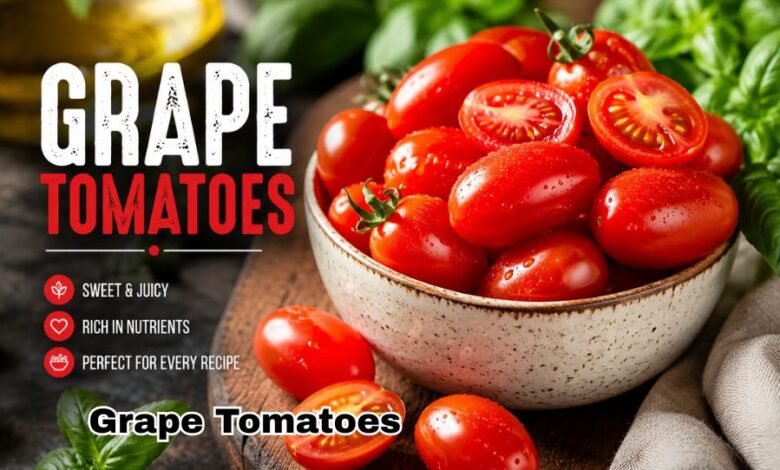
Grape Tomatoes have earned a permanent place in modern kitchens, and it is easy to understand why. Small, colourful, naturally sweet, and incredibly easy to use, these tiny tomatoes bring both convenience and flavour to everyday meals. Their neat oval shape, glossy skin, and firm bite make them different from many other tomato varieties. Whether tossed into salads, roasted for pasta, packed into lunch boxes, or eaten straight from the container as a healthy snack, Grape Tomatoes offer a simple way to add freshness and colour to food without much effort.
What makes them especially appealing is their balance of sweetness and texture. Unlike larger tomatoes that may release too much water when sliced or cooked, Grape Tomatoes have denser flesh and a slightly thicker skin, which helps them hold their shape better. This quality makes them ideal for both raw and cooked dishes. They are practical, tasty, and packed with nutrients, making them one of the most reliable ingredients for home cooks. From busy families to food lovers who enjoy presentation and flavour, Grape Tomatoes remain a small ingredient with a big culinary impact.
What Are Grape Tomatoes?
Grape Tomatoes are small, oval-shaped tomatoes that resemble the shape of grapes, which is how they got their name. They are usually smaller and firmer than many common tomato varieties and are widely appreciated for their rich flavour and long shelf life. Their skin is slightly thicker than that of cherry tomatoes, and their inside is meatier rather than watery. This makes them a practical choice for recipes where texture matters and where too much juice can ruin the final result.
These tomatoes are available in a variety of colours, although red is the most common type seen in supermarkets. Yellow, orange, and even mixed-colour packs are also popular, especially for salads and party platters. Their naturally sweet taste makes them appealing even to people who do not always enjoy larger tomatoes. Because they are small and ready to use with little preparation, Grape Tomatoes are often considered one of the easiest vegetables, or more accurately fruits, to include in daily meals. They fit well into fast-paced lifestyles while still offering the freshness associated with healthy home cooking.
Why Grape Tomatoes Are So Popular
The growing popularity of Grape Tomatoes comes from a combination of flavour, convenience, and versatility. Many people prefer them because they are ready to eat almost immediately. They do not require peeling, heavy slicing, or complicated preparation. A quick rinse is often enough before adding them to a salad, lunchbox, or appetiser plate. Their bite-sized nature makes them especially useful for children, busy workers, and anyone who wants a quick healthy snack.
Another reason for their popularity is their dependable taste. Larger tomatoes can vary in sweetness and may sometimes be too soft or watery, but Grape Tomatoes often provide a more concentrated tomato flavour. They are sweet without being bland and firm without being hard. This balance makes them suitable for both casual snacking and more refined cooking. Their appearance also adds charm to dishes. A bowl of pasta, a tray of roasted vegetables, or even a simple sandwich looks more colourful and inviting with a few bright Grape Tomatoes added. In a world where people want food that is fast, fresh, and visually attractive, these little tomatoes meet all the expectations.
Nutritional Value of Grape Tomatoes
One of the best things about Grape Tomatoes is that they offer more than just flavour. They are also a nutritious addition to daily meals. Like many tomato varieties, they are low in calories and naturally rich in vitamins, minerals, and antioxidants. This makes them a smart choice for people trying to maintain a balanced diet without giving up taste. Because they are so easy to snack on, they can also help replace processed foods with something fresher and lighter.
Grape Tomatoes are especially known for providing vitamin C, which supports the immune system and helps the body absorb iron. They also contain vitamin A, which is important for eye health and skin support. Another important compound found in tomatoes is lycopene, a natural antioxidant linked with overall wellness and protection against cell damage. In addition, they contain water and fibre, which can support hydration and digestion. While they may be small in size, Grape Tomatoes deliver a useful nutritional boost that fits easily into salads, wraps, pasta dishes, and snack routines. For anyone looking to eat better without making dramatic changes, adding these tomatoes is one of the simplest and most effective habits to build.
Grape Tomatoes vs Cherry Tomatoes
Many people confuse Grape Tomatoes with cherry tomatoes, and while they may look similar at first glance, they are not exactly the same. The most noticeable difference is shape. Grape Tomatoes are usually oval or oblong, while cherry tomatoes tend to be round. This gives grape tomatoes a slightly tidier and more compact appearance. The second main difference is texture. Grape tomatoes are often firmer and meatier, whereas cherry tomatoes are usually juicier and softer inside.
Taste also plays a role in how people choose between the two. Cherry tomatoes often have a very juicy burst when bitten, while Grape Tomatoes tend to offer a denser, sweeter bite with less liquid. This makes grape tomatoes especially useful in dishes where extra moisture is not wanted, such as lunchbox salads, pasta bakes, roasting trays, and skewers. In terms of storage, grape tomatoes often last a bit longer because of their firmer structure and thicker skin. Neither is necessarily better than the other, but Grape Tomatoes are often preferred when durability, neat presentation, and controlled texture are important in the kitchen.
Best Ways to Use Grape Tomatoes in Cooking
The beauty of Grape Tomatoes is that they can be used in so many ways without losing their charm. In fresh dishes, they bring a sweet and refreshing element that pairs beautifully with cucumber, lettuce, onion, olives, avocado, and soft cheeses. They can be sliced in half for salads or left whole for a cleaner presentation. In lunch boxes, they are easy to pack and convenient to eat, which is why they are often chosen for both adults and children.
When cooked, Grape Tomatoes become even more flavourful. Roasting them in the oven with olive oil, garlic, herbs, and a little salt turns them soft, rich, and slightly caramelised. This brings out their natural sugars and creates a delicious topping for pasta, toast, grilled chicken, or rice bowls. They can also be sautéed quickly and added to omelettes, soups, or vegetable medleys. Because they hold their shape well, they look attractive even after cooking. Grape Tomatoes are also excellent for skewers, appetisers, and antipasto platters, where their size and firmness make them easy to handle. Their flexibility in both raw and cooked recipes is one of the main reasons they continue to be a kitchen essential.
How to Store Grape Tomatoes Properly
Proper storage is important if you want to keep Grape Tomatoes tasting their best. One common mistake people make is refrigerating them too early. While refrigeration can extend shelf life, it may also affect texture and flavour if the tomatoes are not fully ripe. If they are still firm and fresh from the market, many people prefer to keep them at room temperature for a short time, especially if they plan to eat them soon. This helps preserve their sweetness and natural aroma.
However, once the tomatoes are very ripe or if the weather is especially warm, refrigeration can help prevent spoilage. The best method is to store them dry and unwashed until ready to use, since extra moisture can encourage them to soften or mould more quickly. If refrigerated, it is a good idea to bring them back to room temperature before eating for better taste. Grape Tomatoes are popular partly because they tend to stay firm longer than larger tomatoes, but they still need a little care. Keeping them in a breathable container and checking them regularly for any signs of softness or damage can help them stay fresh and enjoyable for longer.
Can You Grow Grape Tomatoes at Home?
For gardeners and home growers, Grape Tomatoes are often considered a rewarding crop. They are popular in home gardens because the plants can be productive and the fruit is easy to harvest. Whether grown in a backyard bed, greenhouse, or sunny balcony container, these tomatoes can perform well when given warmth, sunlight, and regular watering. Their small size also means they ripen beautifully and are often ready to pick in generous clusters.
Growing Grape Tomatoes at home can be satisfying because the flavour of homegrown fruit is often richer than store-bought options. Freshly picked tomatoes have a natural sweetness and aroma that many people find hard to beat. They do, however, need care such as support from stakes or cages, regular feeding, and protection from pests. With the right conditions, the plants can continue producing fruit for an extended period. For anyone interested in easy home gardening, Grape Tomatoes can be one of the most enjoyable and practical choices.
Why Grape Tomatoes Deserve a Place in Every Kitchen
There are many ingredients that are useful, and there are many that are delicious, but Grape Tomatoes manage to be both at the same time. They are ideal for people who want food that is attractive, healthy, and easy to prepare. Their sweet taste appeals to a wide range of eaters, including those who may not usually enjoy standard tomatoes. Their firmness makes them easier to cook with, easier to pack, and easier to store. Few ingredients can move so naturally from salad bowl to roasting tray to snack plate.
They also support a style of cooking that many people want today: simple, fresh, and flexible. You do not need a complicated recipe to enjoy Grape Tomatoes. A drizzle of olive oil, a sprinkle of herbs, or a handful added to a sandwich can be enough to bring a dish to life. In both everyday meals and more carefully prepared dishes, they offer colour, sweetness, and freshness in a form that is practical and dependable. That combination is exactly why they continue to stand out in kitchens around the world.
Conclusion
Grape Tomatoes may be small, but they offer remarkable value in the kitchen. Their sweet flavour, firm texture, long-lasting freshness, and easy versatility make them one of the most useful ingredients for everyday cooking. Whether eaten raw, roasted, packed into lunch boxes, or added to hearty meals, they bring both nutrition and visual appeal to the table. Their comparison with cherry tomatoes only highlights their own unique strengths, especially when it comes to texture, storage, and cooking performance.
For anyone looking to add more freshness and flavour to meals without extra effort, Grape Tomatoes are an excellent choice. They prove that even the simplest ingredients can make a noticeable difference when they combine convenience, taste, and health benefits in one small package.
(FAQs)
Are Grape Tomatoes healthier than regular tomatoes?
Grape Tomatoes offer many of the same health benefits as regular tomatoes, including vitamins, antioxidants, and fibre. Because they are easy to snack on, they can also make healthy eating more convenient.
What is the difference between Grape Tomatoes and cherry tomatoes?
The main difference is shape and texture. Grape Tomatoes are oval, firmer, and less juicy, while cherry tomatoes are rounder and often have a juicier bite.
Can you roast Grape Tomatoes?
Yes, Grape Tomatoes roast very well. Their firm texture helps them hold shape while becoming sweeter and richer in flavour during cooking.
Should Grape Tomatoes be kept in the fridge?
They can be kept at room temperature for short-term use, especially when not overly ripe. Refrigeration can help them last longer, but it is best to let them come to room temperature before eating for the best flavour.
Are Grape Tomatoes good for salads?
Yes, they are excellent for salads. Their sweetness, firm bite, and bright colour make them one of the most popular tomatoes for fresh salad recipes