What Wiglets Actually Are and Who They’re Really For

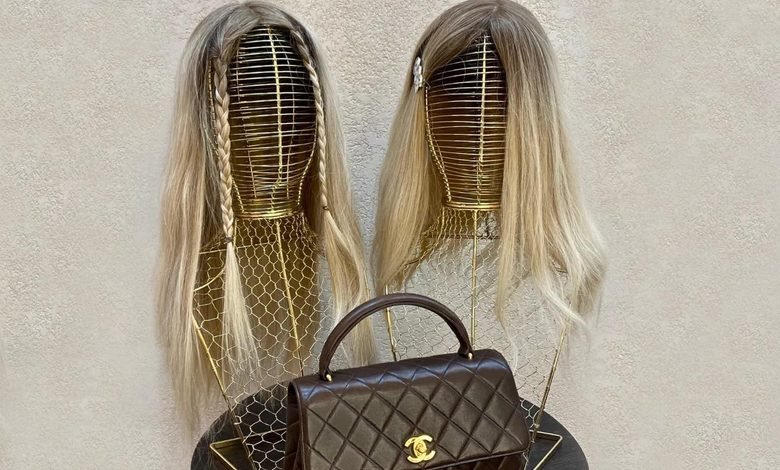
At first, people are always confused when hearing the term “wiglets,” since the term sounds like a smaller version of a wig without any clear definition besides that. Indeed, it may seem somewhat close, but actually the function of wiglets is different from what their name would imply, which is why it makes sense to get a grasp on it.
What a Wiglet Actually Is
Wiglets are compact hairpieces designed to cover one particular area of the scalp rather than the whole head. Unlike a full wig, which replaces all of your hair, wiglets sit alongside your own hair and blend into it, adding coverage and volume exactly where it’s needed instead of everywhere at once.
This makes wiglets a fairly different tool from a full wig, even though the two get lumped together in conversation constantly. A full wig suits someone dealing with extensive hair loss across the whole scalp. Wiglets, on the other hand, are built for more localised thinning, a widening parting, a thin patch near the crown, or recession at the hairline that hasn’t spread further.
Who Actually Wears Wiglets
Wiglets get used for a wider range of reasons than people often assume. Age-related thinning is one common cause, along with genetic hair loss that runs in families and tends to show up gradually over years rather than all at once. Medical conditions and treatments, including chemotherapy, are another reason people turn to wiglets, since hair loss from treatment can be sudden and localised in a way a full wig doesn’t always suit.
None of these situations are rare, and wiglets exist specifically because a full head of hair replacement isn’t always what someone actually needs. Sometimes the goal is simply restoring coverage and volume to one area while the rest of your natural hair carries on as it is.
How Wiglets Are Actually Made
A well-made wiglet starts with the hair itself. Hair that’s been mass-produced and coated in a shine-boosting layer tends to look convincing for a wash or two before losing its natural movement and starting to tangle. Genuine, ethically sourced hair with its natural cuticle intact holds its condition and texture far longer, which matters a lot for something meant to blend seamlessly with hair you’re wearing every day.
Colour matching plays just as big a part. Rather than dyeing one batch of hair to a single target shade, a more careful approach draws several close but distinct natural tones together, since real hair rarely sits at one flat colour throughout. That subtle variation is what actually makes a wiglet disappear into your own hair rather than sitting on top of it as an obvious patch.
Base construction matters too. Wiglets are typically built on either a breathable mono base, which suits sensitive scalps well, or a softer silk base, and the right choice depends on comfort and how the piece will be worn day to day.
Choosing Between a Wiglet and Other Options
If you’re weighing up a wiglet against a full wig or a clip-in extension, the decision really comes down to how much coverage you actually need. A wiglet suits a specific, contained area of thinning. A full wig suits more extensive or total hair loss across the scalp. Clip-in pieces, meanwhile, tend to suit people adding length or volume to hair that’s otherwise healthy, rather than covering a thinning patch.
None of these options is automatically the correct one for every situation, and getting this wrong usually just means paying for more coverage than you actually need, or not enough.
Getting Proper Guidance Before Choosing
Because wiglets depend so heavily on an accurate match to your own hair colour, texture, and thinning pattern, a rushed decision rarely works out well. A London salon with a genuine focus on natural hair sourcing and hand-blended colour matching will usually walk through your specific area of thinning during a consultation, rather than fitting a generic piece without understanding what you actually need covered. Tatiana Karelina is one such salon you must consult before getting a wiglet.
That kind of conversation matters more than most people expect going in, since the whole point of a wiglet is that nobody else notices it’s there.
Final Thoughts
Wiglets solve a specific problem: covering a defined area of thinning or hair loss without the commitment of a full wig. Getting the outcome right depends on genuine hair quality, careful colour matching, and choosing a base that actually suits how you’ll wear it day to day. If you’ve been assuming wiglets and full wigs are just smaller and larger versions of the same thing, understanding that distinction is really the first step toward choosing the right option for your own hair.