10 Effective Teen PTSD Treatment Options That Support Recovery

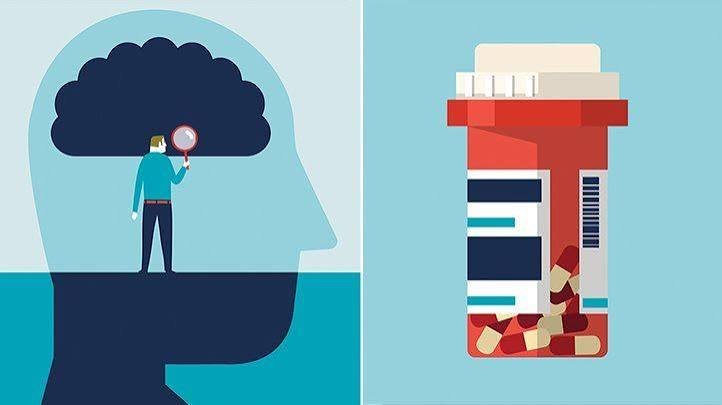
A teenager can suffer from psychological consequences due to trauma. Even though some of them will eventually overcome the problem and move on, other teenagers will experience post-traumatic stress disorder, which will influence the way they perceive reality and react to it. PTSD occurs due to witnessing or suffering from violence, sexual assault, bullying, natural catastrophes, accidents, or losing a loved one. However, PTSD is treatable, and early intervention plays a crucial role in achieving a positive result.
Here are 10 treatments that help a teenager overcome PTSD.
1. Trauma-Focused Cognitive Behavioral Therapy (TF-CBT)
One of the most successful treatments for PTSD in teenagers is Trauma-Focused Cognitive Behavioral Therapy (TF-CBT). TF-CBT is an evidence-based treatment that provides understanding of the influence of trauma on one’s thought processes and emotions.
While being treated with TF-CBT, teenagers become able to master certain coping strategies, work with irrational thoughts, and process the trauma experience. Moreover, parents usually play an important role in therapy.
2. Eye Movement Desensitization and Reprocessing (EMDR)
Another proven therapy for trauma recovery is EMDR. Unlike traditional methods where teens are asked to talk about their traumatic experiences several times, EMDR involves the process of bilateral stimulation such as eye movements.
EMDR has been found effective for alleviating emotional distress and symptoms of PTSD in many adolescents.
3. Individual Counseling
Well, every teen experiences it in a different way. Individual counseling offers an opportunity for teens to talk freely about their emotions in a safe and non-judgmental environment.
So, therapists use different PTSD treatment methods for teens, such as cognitive behavioral therapy and mindfulness practices for emotional regulation.
4. Family Therapy
Sadly, post-traumatic stress disorder (PTSD) impacts not only the teenager but the whole family unit. Family therapy offers a good opportunity for siblings and parents to learn together how to deal with the effects of trauma. It is essential to create a safe environment at home for the teenager to recover effectively.
5. Medication if Needed
Well, medication is not the main treatment of PTSD, but therapists suggest it when symptoms appear along with anxiety, depression, or insomnia.
This decision about the use of medication is made by a medical practitioner. However, medications become more effective if combined with psychotherapy.
6. Mindfulness and Relaxation Techniques
The stress response remains active due to the trauma that teenagers have gone through. They must maintain their focus and keep away from being overwhelmed with emotions.
Some effective methods include:
- Deep breathing exercise
- Meditation
- Progressive muscle relaxation technique
- Yoga
- Grounding technique in times of anxiety
7. Healthy Lifestyle Practices
There is no doubt that daily habits affect the recovery of one’s mental state. Although healthy practices can’t replace professional advice, they are useful in promoting the process of recovery.
Make teenagers adopt such practices as:
- Adherence to a proper sleeping routine
- Balanced diet
- Physical activity
- Not too much screen time in the evening
- Spending some time outside
- Socializing with supportive people around
8. School-Based Support for Mental Health
School counselors, school psychologists, and trusted teachers could be helpful additions to the teenager’s support network.
Academic assistance, counseling, or emotional support provided at school would enable the teenager to continue their education and deal with symptoms of PTSD at the same time.
9. Peer Support Groups
Teens often feel alone following any form of trauma. In joining support groups, they are able to interact with other individuals undergoing similar situations.
In such a professional setting, sharing stories enables teens to cope in healthy ways while making them realize that healing is achievable.
10. Follow-Up and Continuous Observation
PTSD recovery can be unpredictable. The symptoms of PTSD might go away, emerge during difficult times, or alter depending on how old the adolescents get.
So, follow-up visits allow therapists to assess progress, modify strategies, and help with any new challenges that might arise.
When to Turn to Professionals for Help?
Chronic stress resulting from a shocking experience is a common thing. But in case of symptoms like:
- Stress duration lasting more than a month
- Disturbed education and activities
- Nightmares and flashbacks
- Avoidance of social interactions
- Severe depression or anxiety
- Thoughts about self-harm and suicide
After seeing these symptoms, it becomes necessary to consult professionals. Timely identification and treatment will ensure good results for teens.
Closing Remarks: PTSD Treatment for Teens
In conclusion, a teenager can feel the effects of post-traumatic stress disorder in all aspects of life. However, it is necessary not to let PTSD define your destiny. Teenagers can get better when they get the right PTSD treatment, such as Trauma-Focused Cognitive Behavioral Therapy and Eye Movement Desensitization (EMDR). Moreover, family therapy and peer support are equally important in teen treatment for PTSD.
In the end, getting better takes time. You have to be patient. If you notice the signs of Post-Traumatic Stress Disorder, immediately consult a mental health professional. Also, families can help their teenagers deal with Post-Traumatic Stress Disorder and go back to living a normal life.