Xpress Engine: A Flexible Open-Source CMS for Modern Websites and Online Communities

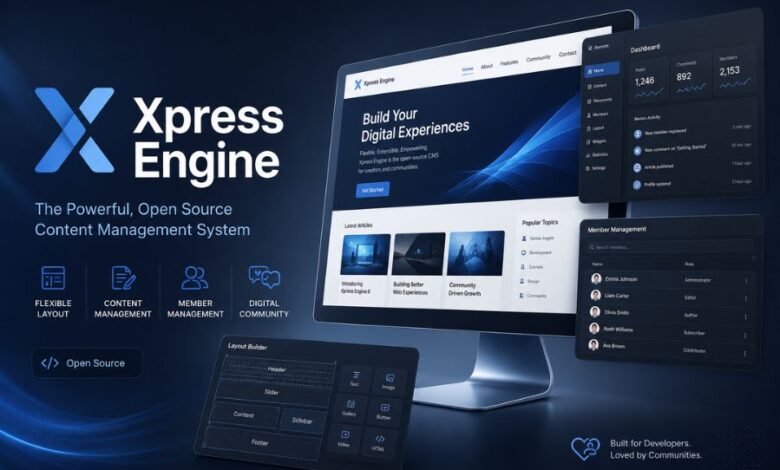
Xpress Engine is an open-source Content Management System, also called a CMS, that helps users create, manage, and grow websites without building every part from scratch. It is also written as XpressEngine or XE, and it has a strong connection with South Korea’s web culture. Many people know it because of its link with Zeroboard, a popular Korean bulletin board system that helped shape early online communities. Over time, Xpress Engine moved beyond simple bulletin boards and became a wider website-building system for people who need pages, posts, member systems, layouts, and flexible site control in one place.
The main purpose of Xpress Engine is simple: it gives website owners a ready-made structure that they can customize. Instead of hiring a developer for every small feature, users can manage content, create menus, add modules, change designs, and organize members through an admin system. This makes it useful for blogs, company websites, online communities, portfolios, service pages, and content-based platforms. For people who want more control than a basic website builder but do not want to create a whole CMS from scratch, Xpress Engine can be a practical option.
Why Xpress Engine Became Popular
One reason Xpress Engine became well known is its strong community background. In South Korea, online communities have always been very active, and websites often need member boards, comment systems, notices, file sharing, and user management. Xpress Engine grew in this kind of environment, so it was made with community features in mind. It was not just made for posting articles. It was also made for building digital spaces where users can join, talk, share, and return again.
Another reason behind its popularity is its open-source nature. Open-source software gives developers and site owners more freedom. They can study the code, improve it, customize it, and build extra functions. This is very important for businesses and communities that do not want to be fully locked into one closed platform. With Xpress Engine, users can build a site that fits their own needs, not only what a fixed website builder allows.
Main Features of Xpress Engine
The strength of Xpress Engine is its flexible structure. It supports modules, plugins, themes, widgets, and layouts, which means the website can grow in different directions. A simple site can start with basic pages and posts, then later add community boards, member tools, forms, design changes, or special content sections. This modular style is useful because websites usually change over time. A business may begin with a small homepage, but later it may need a blog, product pages, user accounts, support pages, or announcement boards.
Xpress Engine also gives users a content management system where they can organize pages and publish information more easily. For non-technical users, this is helpful because they do not need to edit raw code every time they want to update a page. For developers, it is useful because they can extend the system and shape it for more advanced projects. This balance between user control and developer freedom is one of the reasons Xpress Engine still has value for many website projects.
Xpress Engine and Website Customization
A good CMS should not force every website to look the same. Xpress Engine gives users the ability to change the design and layout through themes and skins. This means a blog can look personal, a company website can look professional, and a community site can look active and friendly. Design control matters because the look of a website affects trust. A clean website makes visitors feel more comfortable, while a poor design can make even good content look weak.
Customization is also important for branding. A business website may need its own colors, logo, homepage style, service pages, and contact areas. A community site may need member boards, post lists, comment sections, and announcement spaces. Xpress Engine allows site owners to shape these parts according to their needs. This makes it more flexible than many basic tools that only offer limited templates.
Who Can Use Xpress Engine?
Xpress Engine can be used by different types of users. Bloggers can use it to publish posts and organize content. Small businesses can use it to create company pages, service details, and contact sections. Online communities can use it to manage members, discussion boards, and shared content. Developers can use it as a base for custom websites and web services. Designers can work with layouts and themes to create a better visual experience.
It is also useful for people who want a site that can grow. Some website builders are good for simple pages, but they can become limited when a project becomes bigger. Xpress Engine gives more room for expansion because it is built around a flexible CMS structure. This makes it suitable for projects that may need new features in the future.
Xpress Engine for Online Communities
One of the best use cases for Xpress Engine is online community building. Community websites need more than just pages. They need members, posts, comments, categories, notices, and sometimes private areas. Since Xpress Engine has roots in Korean bulletin board culture, it fits naturally with these needs. It can help website owners create spaces where users can interact instead of only reading content.
This is important because modern websites are not only about publishing. Many successful platforms grow because users take part in discussions, share opinions, ask questions, and build trust with each other. A CMS that supports community features can help turn a normal website into a living platform. For niche communities, fan groups, education groups, business networks, and local organizations, Xpress Engine can provide a strong base.
Xpress Engine for Business Websites
Businesses need websites that are easy to update and simple for visitors to understand. Xpress Engine can be used to create company profiles, service pages, news sections, contact pages, and customer information areas. A business does not always need a huge custom system. Sometimes it needs a clean CMS that allows quick content updates and future expansion.
For example, a company can start with a homepage, about page, services page, and contact form. Later, it can add a blog, announcement board, product section, recruitment page, or customer support area. This kind of growth is easier when the CMS already supports flexible features. For businesses that care about ownership and customization, an open-source CMS like Xpress Engine can be a strong choice.
Benefits of Using Xpress Engine
The biggest benefit of Xpress Engine is flexibility. It lets users create different types of websites with one system. Another benefit is control. Since it is open-source, users are not fully dependent on a closed platform. Developers can customize the code, improve features, and connect it with other tools. This can be very useful for businesses that need a website made for their own workflow.
Another benefit is its community-centered design history. Xpress Engine is not only for static pages. It works well for websites where members and content activity matter. It also supports design changes, layout control, and feature expansion, which makes it useful for long-term projects. When a website grows, the CMS should grow with it, and Xpress Engine is built with that idea in mind.
Things to Consider Before Using Xpress Engine
Even though Xpress Engine is powerful, it may not be the best choice for every user. Beginners who only want a very simple website may find basic website builders easier at first. Xpress Engine can offer more control, but more control can also mean more setup work. Users may need hosting, installation, updates, and some technical understanding, especially for advanced customization.
Another point to consider is support and available resources. Since Xpress Engine is especially known in Korea, some resources, guides, and community discussions may be easier to find in Korean than in English. This does not make the CMS weak, but English-speaking users should keep it in mind. Before choosing any CMS, it is always wise to check documentation, theme availability, plugin support, developer access, and long-term maintenance needs.
Xpress Engine Compared With Other CMS Platforms
When people think about CMS platforms, they often think of WordPress, Joomla, Drupal, or modern website builders. Xpress Engine has its own place among these tools. It may not be as globally popular as WordPress, but it has a strong identity in community-based websites and flexible web building. WordPress is famous for blogs and plugins, Drupal is known for complex systems, and Xpress Engine is known for its Korean web community roots and modular CMS style.
The right choice depends on the project. If a user wants a huge global plugin market, WordPress may be easier. If a user wants a Korean community-style CMS with flexible modules and open-source control, Xpress Engine can be a better fit. The best CMS is not always the most famous one. It is the one that matches the website’s purpose, budget, language needs, and future growth plan.
Why Xpress Engine Still Matters Today
The web has changed a lot, but the need for flexible content systems is still strong. People still need websites for communities, businesses, portfolios, blogs, and services. Xpress Engine still matters because it gives users a structured way to build and manage these digital spaces. It also reminds us that web culture is not the same everywhere. In South Korea, community websites, bulletin boards, and member-based platforms have played a big role, and Xpress Engine grew from that background.
In today’s digital world, ownership is also important. Many website owners do not want to depend only on closed platforms where rules, pricing, or limits can change. Open-source tools like Xpress Engine give more independence. They allow developers and businesses to build something more personal, more flexible, and more connected to their own needs.
Conclusion
Xpress Engine is more than just another CMS. It is an open-source website-building system with strong roots in online community culture, especially in South Korea. It helps users manage content, members, pages, layouts, and features through a flexible structure. Whether someone wants to build a blog, business website, online community, portfolio, or content platform, Xpress Engine offers useful tools for customization and growth.
It may require more technical understanding than a simple drag-and-drop builder, but it also gives more freedom and control. For users who want a website that can grow over time, support community features, and stay flexible, Xpress Engine is worth considering. Its open-source nature, modular system, and community-focused history make it a meaningful CMS for modern web projects.
(FAQs)
What is Xpress Engine used for?
Xpress Engine is used to build and manage websites. It can be used for blogs, company websites, online communities, portfolios, content platforms, and member-based websites.
Is Xpress Engine open-source?
Yes, Xpress Engine is an open-source CMS, which means developers can study, customize, and improve it according to project needs.
Is Xpress Engine good for beginners?
Xpress Engine can be useful for beginners, but it may require some technical setup. Users who only need a very basic website may find simple website builders easier, while users who want more control may prefer Xpress Engine.
Can Xpress Engine be used for business websites?
Yes, Xpress Engine can be used for business websites. It can support company pages, service details, announcements, blogs, contact sections, and other business-related content.
Why is Xpress Engine popular in South Korea?
Xpress Engine is popular in South Korea because it is connected to the country’s strong online community culture and the legacy of Korean bulletin board systems like Zeroboard.