The Complete Guide to Residential Roofing Systems, Materials, and Long-Term Protection

Introduction to Residential Roofing
Residential roofing plays a vital role in protecting homes from environmental damage while ensuring comfort, safety, and energy efficiency for the people living inside. A roof is not just a structural covering but a complete system designed to handle weather resistance, temperature control, and long-term durability. Modern homes depend heavily on well-engineered roofing systems because they directly influence property value, maintenance costs, and indoor living conditions. When a roof is properly designed and installed, it provides reliable protection against rain, wind, heat, and other environmental challenges while also enhancing the architectural appearance of a home. Over time, advancements in materials and installation techniques have significantly improved the performance and lifespan of roofing systems, making them more durable and energy efficient than ever before.
Importance of Residential Roofing in Home Protection
The primary purpose of residential roofing is to protect the structure of a home from external elements that could cause damage or deterioration over time. Without a strong and well-maintained roof, water can seep into the building, leading to mold growth, weakened structural components, and costly repairs. A properly installed roofing system also contributes to maintaining stable indoor temperatures, which reduces the need for excessive heating or cooling and ultimately lowers energy bills. In addition to protection and efficiency, residential roofing also plays a major role in enhancing curb appeal, which is important for homeowners who may want to sell their property in the future. A visually appealing and structurally sound roof significantly increases the overall value of a home, making it one of the most important investments in residential construction and maintenance.
Common Materials Used in Residential Roofing Systems
Residential roofing systems are available in a wide range of materials, each offering different benefits depending on climate conditions, budget, and architectural style. Asphalt shingles are the most commonly used material due to their affordability, ease of installation, and versatility in design. They provide reliable protection and are suitable for a wide range of home styles. Metal roofing has become increasingly popular because of its long lifespan, durability, and energy-efficient properties, especially in areas with extreme weather conditions. Tile roofing, often made from clay or concrete, is known for its strength and distinctive appearance, making it ideal for homeowners seeking a more traditional or Mediterranean-style design. Slate roofing is considered a premium option due to its natural beauty and exceptional longevity, often lasting for decades with minimal maintenance. Wood shingles and shakes provide a natural aesthetic but require regular upkeep to prevent weather-related damage. Each material used in residential roofing has its own advantages, and selecting the right one depends on long-term performance expectations and environmental factors.
Residential Roofing Installation Process and Key Steps
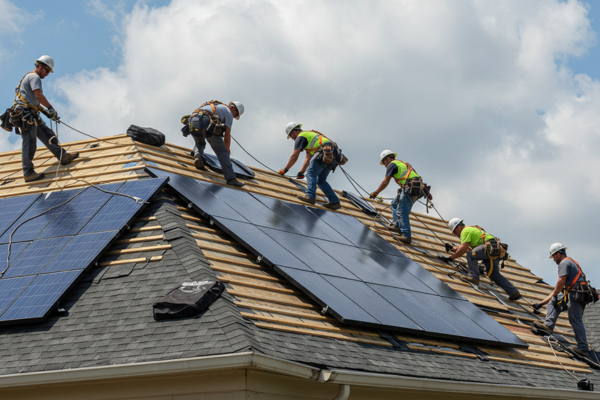
The installation process for residential roofing is a detailed and highly technical procedure that requires precision and professional expertise to ensure long-term durability. It begins with a thorough inspection of the existing roof structure to determine whether any repairs or reinforcements are needed before installation begins. If the project involves roof replacement, the old roofing materials are carefully removed to expose the underlying structure, allowing contractors to identify hidden damage or weak points. Once the surface is prepared, a protective underlayment is installed to create a moisture barrier that helps prevent leaks and water infiltration. After this step, the selected roofing materials are installed in a systematic manner, ensuring proper alignment, sealing, and fastening to maximize strength and weather resistance. The final stage involves a complete inspection of the installed system to ensure it meets safety standards and performance expectations. Proper installation is essential because even the highest-quality materials used in residential roofing can fail prematurely if not installed correctly.
Common Problems Found in Residential Roofing Systems
Residential roofing systems can develop various problems over time due to weather exposure, aging materials, or poor installation practices. One of the most common issues is roof leakage, which can occur when shingles are damaged, flashing becomes loose, or sealants deteriorate. Missing or broken shingles are another frequent problem that exposes the roof deck to moisture and wind damage, which can worsen if not repaired promptly. Poor ventilation in the roofing system can lead to heat buildup in the attic, increased energy consumption, and moisture accumulation that can damage insulation and structural components. Flashing failures around chimneys, vents, and roof edges are also common causes of leaks, especially when materials corrode or shift over time. In some cases, residential roofing systems may also experience sagging due to structural weakening or long-term water damage. Identifying these issues early is essential to prevent costly repairs and extend the lifespan of the roof.
Benefits of Maintaining Residential Roofing Regularly
Regular maintenance is essential for keeping a roofing system in good condition and ensuring that it continues to perform effectively for many years. Routine inspections help detect small issues before they develop into major structural problems that require expensive repairs or full replacement. Maintenance activities typically include cleaning gutters, removing debris, inspecting shingles for damage, and ensuring proper drainage across the roof surface. Proper upkeep also helps improve energy efficiency by ensuring that insulation and ventilation systems function correctly, which contributes to a more comfortable indoor environment. Another important benefit of regular maintenance is that it helps preserve manufacturer warranties, which often require proof of inspection and care. Professional services specializing in residential roofing can provide comprehensive maintenance solutions that extend the lifespan of roofing systems and ensure consistent protection against environmental damage. Many homeowners rely on trusted providers like Gikas Roofing for ongoing roof maintenance, inspections, and repair services that help preserve the integrity of their homes.
Energy Efficiency in Residential Roofing Systems
Energy efficiency has become a major focus in modern residential roofing because homeowners are increasingly looking for ways to reduce energy costs and improve environmental sustainability. Roofing materials today are often designed to reflect more sunlight and absorb less heat, which helps regulate indoor temperatures and reduces the need for air conditioning during hot weather. Proper insulation plays a key role in maintaining energy efficiency by preventing heat loss during colder months and reducing heat gain during warmer months. Advanced residential roofing systems may also include reflective coatings or cool roof technologies that significantly improve thermal performance. In addition, solar roofing solutions are becoming more common, allowing homeowners to generate renewable energy while maintaining full roof functionality. These advancements in residential roofing not only reduce energy bills but also contribute to a more sustainable and environmentally friendly housing industry.
Signs That Indicate Residential Roofing Repair or Replacement Is Needed
Recognizing the signs of roofing damage early can help homeowners avoid costly repairs and structural issues. One of the most common indicators is the age of the roof, as most roofing materials have a limited lifespan and begin to deteriorate after a certain period. Frequent repairs are another sign that the roofing system may no longer be cost-effective to maintain and could require replacement. Visible water stains on ceilings or walls often indicate leaks that originate from the roof and require immediate attention. Sagging areas in the roof structure are a serious concern because they may indicate structural weakening that can compromise safety. Additionally, visible damage such as cracked shingles, rusted metal components, or deteriorated flashing suggests that the roofing system is no longer providing adequate protection. In such cases, homeowners often consult professionals specializing in residential roofing, such as Gikas Roofing, to assess whether repair or full replacement is the most suitable solution.
Choosing the Right Contractor for Residential Roofing Projects
Selecting the right contractor is one of the most important decisions when it comes to residential roofing projects because the quality of workmanship directly impacts the performance and lifespan of the roof. A reliable contractor should be licensed, insured, and experienced in handling different types of roofing systems. It is also important to review customer feedback and previous project experience to evaluate the contractor’s reputation and reliability. Clear communication is another key factor, as professional roofing companies should provide detailed estimates, timelines, and explanations of materials and installation methods. A trustworthy contractor will also offer warranties and stand behind their work to ensure long-term customer satisfaction. Choosing experienced professionals in residential roofing ensures that the project is completed safely, efficiently, and in accordance with industry standards.
Future Developments in Residential Roofing Technology
The future of residential roofing is being shaped by technological innovation, sustainability trends, and improved construction materials. Smart roofing systems equipped with sensors are being developed to monitor temperature, moisture levels, and structural integrity in real time, allowing homeowners to detect problems before they become serious. Eco-friendly roofing materials are also gaining popularity as environmental concerns continue to grow, with manufacturers focusing on recyclable and energy-efficient options. Solar-integrated roofing systems are expected to become more widely adopted as homeowners seek renewable energy solutions that reduce electricity costs. In addition, advancements in waterproofing technology and insulation materials are improving the overall performance and lifespan of residential roofing systems. These innovations are making roofs more durable, efficient, and environmentally responsible, ensuring that future homes benefit from stronger and smarter protection systems.
Conclusion
Residential roofing is an essential part of every home, providing protection, energy efficiency, and long-term structural stability. A properly designed and maintained roofing system ensures that a home remains safe from environmental damage while also contributing to lower energy costs and improved comfort. Understanding roofing materials, installation processes, maintenance requirements, and warning signs of damage helps homeowners make informed decisions that protect their investment. Professional services play a crucial role in ensuring that roofing systems are installed and maintained correctly, and trusted companies like Gikas Roofing provide the expertise needed to deliver long-lasting results. By investing in quality residential roofing and regular maintenance, homeowners can ensure their properties remain secure, efficient, and valuable for many years to come.