A Complete Guide to Cracked Foundations and Long-Term Structural Protection

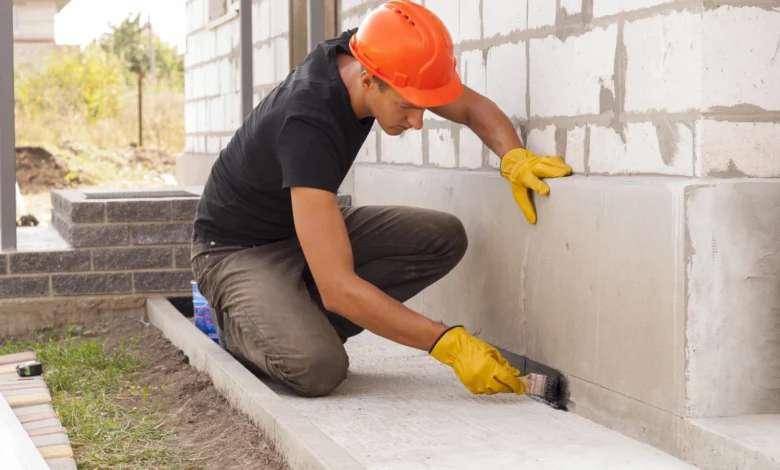
Cracked foundations are one of the most concerning issues a homeowner can face because they directly affect the stability, safety, and value of a property. A foundation is designed to carry the entire weight of a structure, and when cracks begin to form, it often signals deeper problems beneath the surface. These cracks may start small and seem harmless at first, but over time they can expand, allowing water intrusion, weakening structural integrity, and leading to costly repairs if not addressed properly.
Many homeowners do not notice foundation cracks until secondary issues begin to appear, such as uneven floors, sticking doors, or water seepage in the basement. By the time these symptoms become visible, the underlying damage may already be progressing. Understanding the causes, risks, and repair solutions associated with cracked foundations is essential for protecting a home in the long term.
Modern repair methods focus not only on sealing visible cracks but also on identifying and resolving the root causes, such as soil movement, drainage issues, and hydrostatic pressure. With the right approach, foundation cracks can be effectively stabilized and prevented from worsening.
Why Cracked Foundations Develop Over Time
Foundation cracks form due to a combination of environmental, structural, and material-related factors. One of the most common causes is soil movement. The ground beneath a home naturally expands when it absorbs moisture and contracts when it dries. This constant shifting creates pressure against foundation walls, eventually leading to cracking.
Water is another major contributor to foundation damage. When rainwater or groundwater accumulates around the base of a home, it increases hydrostatic pressure. This pressure forces water into small openings and weak points in the foundation, causing cracks to widen over time.
Temperature changes also play a role in foundation deterioration. As building materials expand and contract with fluctuating temperatures, stress builds within the structure. Over time, this repeated stress can cause cracks to form.
In some cases, poor construction practices or insufficient reinforcement during the building process can make foundations more vulnerable to cracking. Even small design flaws can become significant issues over the years.Tree roots can also affect foundation stability by absorbing moisture from the surrounding soil. This can cause uneven settling and create additional stress on the foundation walls.
Common Types of Foundation Cracks
Not all foundation cracks indicate the same level of severity. Understanding the type of crack helps determine the appropriate repair method.Hairline cracks are very thin and often appear due to natural settling of the home. While they may seem minor, they can still allow moisture to seep into the structure over time.
Vertical cracks typically run straight up and down and are often caused by normal settling. These cracks are generally less severe but should still be monitored.Horizontal cracks are more serious and usually indicate significant pressure from surrounding soil or water. These cracks can signal structural stress and require immediate attention.
Diagonal cracks often appear due to uneven settling of the foundation. Depending on their size and progression, they may indicate deeper structural issues.Step cracks, commonly found in brick or block foundations, follow a stair-step pattern and usually suggest movement within the structure.
Risks Associated with Cracked Foundations
Ignoring foundation cracks can lead to serious long-term consequences for both the structure and the living environment.One of the most immediate risks is water intrusion. Even small cracks can allow moisture to enter the basement, leading to damp conditions, mold growth, and damage to stored belongings.
Structural instability is another major concern. As cracks widen, the foundation may lose its ability to support the home properly. This can result in uneven floors, misaligned doors and windows, and visible shifting of walls.
Pest infestations can also occur through foundation cracks. Small openings provide entry points for insects and rodents, which can create additional problems inside the home.Decreased property value is another consequence of untreated foundation damage. Homes with known structural issues are often less attractive to buyers and may require significant repairs before sale.Because of these risks, early detection and repair are essential for maintaining a safe and stable home.
The Importance of Professional Foundation Repair
Cracked foundations require professional evaluation to determine the severity and underlying cause of the problem. Surface-level repairs are often not enough if the root issue remains unresolved.
Professional foundation repair focuses on long-term stability rather than temporary fixes. Experts analyze soil conditions, drainage patterns, and structural movement to develop an effective repair plan.
One of the most important aspects of professional repair is preventing further damage. By stabilizing the foundation early, homeowners can avoid more extensive and expensive repairs in the future.Moisture control is also a key part of foundation repair. Water is often a major factor in foundation cracking, so addressing drainage issues is essential for long-term stability.
In many cases, professionals recommend additional water management solutions, such as crawlspace drainage systems or basement improvements, to reduce pressure on the foundation.
Methods Used to Repair Cracked Foundations
Several repair techniques are used depending on the severity and type of foundation cracks.Epoxy injection is commonly used to seal cracks and restore structural integrity. This method fills the crack completely and prevents further water intrusion.Polyurethane injection is another method used to seal cracks while allowing flexibility. This is especially useful in areas where minor movement may continue.
Carbon fiber reinforcement is used for more serious structural cracks. This method strengthens foundation walls and prevents further movement.Piering systems are installed when foundation settlement occurs. These deep support structures help lift and stabilize the foundation.Wall anchors are used to correct bowing or leaning basement walls caused by external pressure.Each of these methods is selected based on the specific condition of the foundation and the underlying cause of the cracking.
The Connection Between Cracked Foundations and Water Damage
Water plays a major role in the development and worsening of foundation cracks. When water accumulates around a home, it increases pressure against foundation walls and accelerates structural damage.
Over time, moisture entering through cracks can lead to mold growth, wood rot, and deterioration of building materials.Because of this strong connection between water and foundation damage, effective repair often includes moisture control solutions.
In many cases, homeowners are advised to install a sump pump as part of their foundation protection strategy. A sump pump helps remove excess water from the basement or crawlspace, reducing hydrostatic pressure and preventing further cracking.Proper water management is essential for ensuring that foundation repairs remain effective over the long term.
Why Water Management Is Essential for Foundation Stability
Without proper water control, even repaired foundations can experience recurring issues. Excess moisture weakens soil stability and increases pressure against foundation walls.Installing a sump pump is one of the most effective ways to manage water levels around the foundation. It collects and removes water before it can cause damage.
This is why professionals often recommend homeowners install a sump pump during or after foundation repair to provide long-term protection.In addition to sump pumps, drainage systems and proper grading around the home also play a key role in preventing water accumulation.For homeowners seeking expert solutions, professional services like Wet Basement Solutions offer comprehensive repair and water management options designed to protect foundations from future damage.
Preventing Future Foundation Cracks
Preventing foundation problems requires ongoing maintenance and attention to environmental conditions.Proper drainage around the home is one of the most important preventive measures. Gutters and downspouts should direct water away from the foundation to prevent soil saturation.Maintaining consistent soil moisture levels also helps reduce expansion and contraction cycles that contribute to cracking.
Regular inspections allow homeowners to detect early signs of foundation movement before they become serious issues.Landscaping should also be carefully planned. Trees and shrubs should be placed at a safe distance from the foundation to avoid root interference.In many homes, professionals recommend installing a sump pump as part of a long-term moisture control strategy to prevent water buildup around the structure.
When to Seek Professional Help
Homeowners should seek professional assistance as soon as they notice signs of foundation cracks. Early intervention can significantly reduce repair costs and prevent further damage.Warning signs include widening cracks, uneven floors, sticking doors, or water entering the basement.
If these symptoms appear, a professional evaluation is necessary to determine the severity of the issue and recommend appropriate solutions.Experts can also identify whether additional water control measures are needed to prevent future cracking.
Long-Term Benefits of Foundation Repair
Proper foundation repair provides several long-term benefits, including structural stability, improved safety, and increased property value.A stable foundation also helps improve energy efficiency by reducing air leaks and maintaining proper insulation alignment.
Addressing foundation issues early helps prevent secondary problems such as mold growth, pest infestations, and interior damage.Homes with well-maintained foundations are more attractive to buyers and require fewer costly repairs over time.
Final Thoughts on Cracked Foundations
Cracked foundations are a serious issue that should never be ignored. While some cracks may appear minor, they often indicate deeper structural problems that require immediate attention.Understanding the causes and warning signs of foundation damage allows homeowners to take proactive steps before issues worsen. Soil movement, water pressure, and structural stress all contribute to foundation cracking.
Professional repair methods combined with proper water management provide the most effective long-term solution. In many cases, homeowners are advised to install a sump pump to control moisture and reduce pressure on the foundation.With timely repair, proper maintenance, and expert support, homeowners can protect their property, maintain structural integrity, and ensure long-term safety for their home.