Best Salmorejo Near Me: How to Find Authentic, Creamy Spanish Salmorejo Worth Ordering

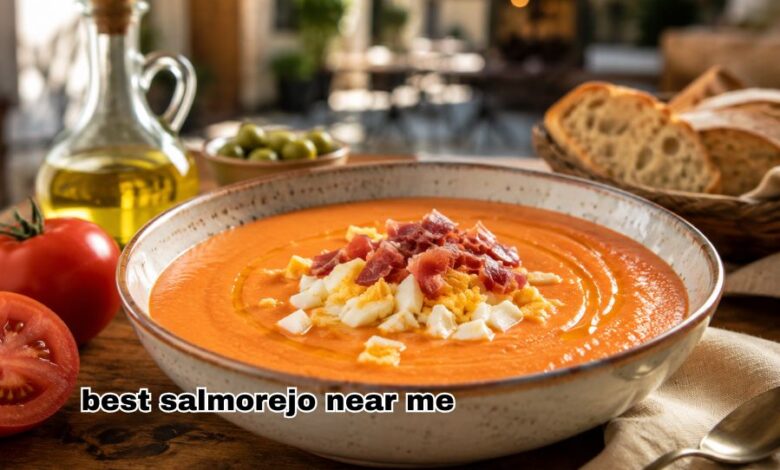
Searching for the best salmorejo near me usually means you are not just looking for any tomato soup. You are looking for something rich, refreshing, smooth, and deeply satisfying. Salmorejo is a traditional Spanish dish from Andalusia, especially associated with Córdoba, and it has earned its place as one of Spain’s most comforting cold dishes. At first glance, it may look simple because it is made with ripe tomatoes, bread, extra virgin olive oil, garlic, and salt, but a great bowl of salmorejo is all about balance. It should be thick but not heavy, creamy without cream, bright with tomato flavor, and finished with toppings that add texture and savory depth. When made properly, salmorejo tastes like sunshine in a bowl, which is why people who discover it often start searching for restaurants nearby that prepare it with respect and skill.
What Makes Authentic Salmorejo Different from Gazpacho?
Many people confuse salmorejo with gazpacho because both dishes are Spanish, tomato-based, and usually served chilled. However, they are not the same. Gazpacho is typically thinner and often includes vegetables such as cucumber, peppers, and onion, creating a drinkable or spoonable cold soup with a refreshing, sharp taste. Salmorejo, on the other hand, is thicker, smoother, and creamier because bread and olive oil are blended into the tomatoes until the mixture becomes velvety. This is why finding the best salmorejo near me requires more attention than simply choosing any restaurant that serves Spanish cold soup. A proper salmorejo should feel almost like a savory tomato mousse or a rich puree, not like watered-down gazpacho. It should hold its shape slightly on the spoon, carry the aroma of good olive oil, and deliver a mellow garlic note without overwhelming the tomato.
The Key Ingredients Behind Great Salmorejo
The best salmorejo depends on ingredient quality more than complexity. Since the recipe is simple, every ingredient matters. Ripe tomatoes are the foundation, and they should taste naturally sweet, juicy, and full of summer flavor. If the tomatoes are bland, the salmorejo will taste flat no matter how well it is blended. Good bread is also essential because it gives the dish its body and creamy texture. Traditional recipes often use day-old white bread because it absorbs the tomato juices and helps create the signature thickness. Extra virgin olive oil is another major factor, not just a garnish but a core part of the emulsion that makes salmorejo silky and luxurious. Garlic should be used carefully, adding depth without harshness. Finally, the toppings matter: authentic salmorejo is commonly served with chopped jamón ibérico or serrano ham and hard-boiled egg. These toppings add saltiness, richness, and contrast, turning a humble tomato dish into a complete and memorable meal.
How to Spot the Best Salmorejo Near Me
When looking for the best salmorejo near me, start by checking whether the restaurant specializes in Spanish, Andalusian, Mediterranean, or tapas-style cuisine. A restaurant that understands regional Spanish food is more likely to serve salmorejo correctly. Read the menu description carefully. If it describes salmorejo as a thick chilled tomato soup with bread, olive oil, garlic, egg, and ham, that is a good sign. If it simply says “Spanish gazpacho” or “cold tomato soup” without any detail, it may still be good, but it is worth checking reviews or photos before ordering. Customer photos can reveal a lot. Real salmorejo should look smooth, glossy, and thick, usually orange-red rather than bright watery red. The toppings should look intentional, not like random crumbs tossed on top. Reviews that mention words like creamy, authentic, fresh, Andalusian, and balanced can help you identify restaurants that take the dish seriously.
Why Texture Is the Secret to Outstanding Salmorejo
Texture is one of the biggest differences between average and excellent salmorejo. A mediocre version may taste like plain tomato puree or thick gazpacho, but a great version has a smooth, almost luxurious consistency. The bread should be fully blended into the tomatoes, and the olive oil should emulsify into the mixture so the soup feels creamy without containing dairy. When you taste a well-made salmorejo, it should coat the spoon lightly and feel substantial in the mouth while still staying refreshing. This is why some restaurants fail even when they use decent ingredients. They may not blend long enough, may add too little olive oil, or may use the wrong type of bread. If you are searching online for the best salmorejo near me, look for places where reviewers praise the texture, because that usually means the kitchen understands the technique behind the dish.
What to Order with Salmorejo
Salmorejo can be enjoyed as a starter, a light lunch, or part of a larger tapas meal. If you are ordering it at a Spanish restaurant, it pairs beautifully with dishes like tortilla española, patatas bravas, grilled seafood, croquetas, pan con tomate, olives, and manchego cheese. Because salmorejo is rich in olive oil and bread, it is more filling than many people expect, so it can easily become the centerpiece of a light meal. A crisp white wine, sparkling water with lemon, or a chilled Spanish beer can complement it nicely. If you are trying salmorejo for the first time, avoid ordering too many heavy dishes alongside it. Let the salmorejo stand out so you can appreciate the tomato flavor, smooth body, and salty topping. The best restaurants understand that salmorejo should be simple but not boring, elegant but not fussy, and comforting without feeling heavy.
Common Mistakes Restaurants Make with Salmorejo
Not every restaurant that lists salmorejo on the menu prepares it properly. One common mistake is making it too thin, which makes it feel more like gazpacho. Another mistake is using low-quality tomatoes, especially out-of-season tomatoes with little sweetness or aroma. Some places try to compensate by adding sugar, cream, or unusual thickeners, but that usually takes the dish away from its traditional character. Salmorejo should not need cream because the olive oil and bread create natural creaminess. It should not taste overly garlicky, sour, or salty. The toppings should enhance the dish rather than cover it up. When searching for the best salmorejo near me, avoid places where the soup looks watery, dull, or overloaded with unnecessary garnishes. A confident kitchen will keep the presentation clean and let the ingredients speak for themselves.
Finding Authentic Salmorejo in Your Area
To find authentic salmorejo nearby, use search terms that go beyond the basic phrase best salmorejo near me. Try searching for “authentic Spanish restaurant near me,” “Andalusian food near me,” “Córdoba salmorejo near me,” or “Spanish tapas restaurant salmorejo.” Restaurant review platforms, local food blogs, and social media photos can be very helpful because salmorejo is a visual dish. Look for menus that mention traditional Spanish ingredients and restaurants that serve seasonal specials. Some tapas bars may only offer salmorejo during warmer months because it is especially popular in spring and summer. If you cannot find it listed online, call the restaurant and ask whether they serve traditional salmorejo. A knowledgeable staff member should be able to explain how it is made and whether it comes with egg and jamón. That small conversation can save you from ordering a disappointing version.
What a Perfect Bowl of Salmorejo Should Taste Like
A perfect bowl of salmorejo should begin with the taste of ripe tomato, followed by the smooth richness of olive oil and a gentle warmth from garlic. It should feel cool and refreshing but also satisfying enough to feel like real food, not just a light appetizer. The bread should give it structure without making it pasty. The olive oil should taste fruity and fragrant, not greasy. The topping of ham should bring a salty, savory note, while the hard-boiled egg adds softness and richness. The best salmorejo has harmony. No single ingredient should dominate. Instead, everything should work together to create a dish that feels simple, traditional, and carefully prepared. When you find that kind of salmorejo, you understand why this Andalusian classic has remained beloved for generations.
Is Salmorejo Healthy?
Salmorejo can be a wholesome and nourishing choice when made traditionally. Tomatoes provide vitamins, antioxidants, and bright natural flavor, while olive oil contributes healthy fats and richness. Because the dish includes bread and olive oil, it is more calorie-dense than a thin vegetable soup, but it can still be part of a balanced meal. The key is portion size and ingredient quality. A small or medium bowl of salmorejo can be satisfying without feeling excessive. It is also a good option for people who want something refreshing but more substantial than a salad. If you are watching sodium intake, remember that ham toppings can be salty, so you can ask for less jamón or enjoy it on the side. Overall, traditional Spanish salmorejo is a great example of Mediterranean cooking: simple ingredients, strong flavor, and satisfying texture.
Conclusion
Finding the best salmorejo near me is about more than locating a restaurant with cold tomato soup on the menu. It is about finding a place that understands the tradition, texture, and balance that make salmorejo special. The best versions use ripe tomatoes, quality bread, extra virgin olive oil, garlic, and simple toppings like jamón and hard-boiled egg. They are thick, creamy, refreshing, and full of natural flavor. Whether you enjoy it as a starter, a light lunch, or part of a tapas spread, authentic salmorejo offers a beautiful taste of Andalusian cooking. Once you know what to look for, it becomes much easier to separate ordinary versions from truly memorable ones.
(FAQs)
What is salmorejo made of?
Salmorejo is traditionally made with ripe tomatoes, bread, extra virgin olive oil, garlic, and salt. It is blended until thick and creamy, then usually topped with chopped hard-boiled egg and jamón. The ingredients are simple, but the quality and blending technique make a big difference.
Is salmorejo the same as gazpacho?
No, salmorejo and gazpacho are different. Gazpacho is usually thinner and often includes cucumber, peppers, and onion. Salmorejo is thicker and creamier because it uses more bread and olive oil, creating a richer texture and more substantial feel.
How do I find authentic salmorejo near me?
Search for Spanish, Andalusian, or tapas restaurants in your area and check menus for traditional ingredients like tomato, bread, olive oil, garlic, egg, and jamón. Photos and reviews can also help you judge whether the dish looks thick, smooth, and authentic.
Is salmorejo served hot or cold?
Salmorejo is traditionally served cold or chilled. It is especially popular during warm weather because it is refreshing while still being filling. If a restaurant serves it hot, it is likely not traditional salmorejo.
What should I eat with salmorejo?
Salmorejo pairs well with Spanish tapas such as tortilla española, croquetas, olives, manchego cheese, grilled seafood, and pan con tomate. It can also be enjoyed on its own as a light but satisfying meal.