Ralph Allwood: The Visionary Conductor Who Transformed British Choral Music

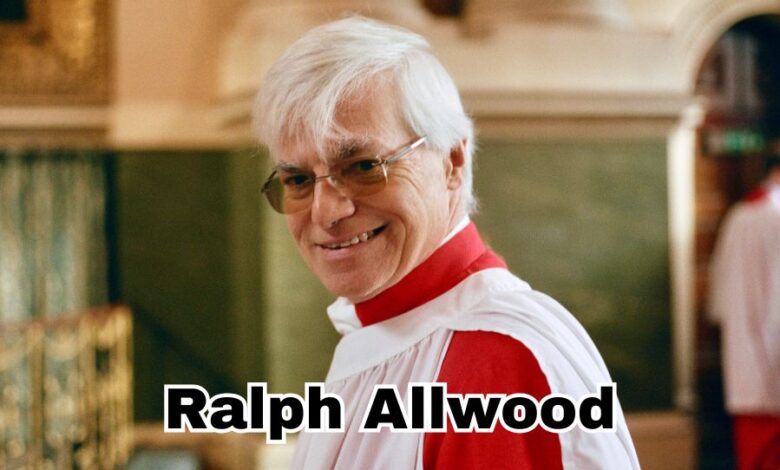
In the landscape of modern British choral music, few individuals have left a mark as enduring and transformative as Ralph Allwood. Known for his extraordinary musicianship, charismatic leadership, and unwavering commitment to young singers, he has spent decades redefining what choral excellence can look like in schools, churches, and communities. Rather than confining elite music-making to prestigious institutions, Allwood championed the idea that high-quality choral singing should be accessible to everyone. His work has inspired thousands of students, teachers, and conductors across the United Kingdom and far beyond, creating a ripple effect that continues to shape music education today. Through innovative training programs, unforgettable performances, and a philosophy grounded in both discipline and joy, Ralph Allwood became not merely a conductor but a movement in himself.
Early Life and Musical Formation
The foundations of Ralph Allwood’s influence can be traced back to his own formative experiences as a young musician. Growing up in a culture rich with church music and traditional choral singing, he developed an early fascination with the power of collective voices. This environment instilled in him a deep respect for musical craftsmanship as well as an appreciation for the emotional and spiritual resonance of choral sound. His formal training refined these instincts, equipping him with technical mastery while reinforcing the belief that music should be lived as much as studied. From the outset, Allwood displayed not only exceptional musical intelligence but also a rare ability to communicate enthusiasm and clarity, qualities that would later define his teaching style. Even in his early career, colleagues recognized his gift for transforming rehearsals into moments of discovery rather than mere technical correction, a hallmark that would distinguish his leadership in years to come.
Leadership at Eton College and Institutional Impact
One of the most defining chapters in the career of Ralph Allwood was his long tenure at Eton College, where he served as Director of Music. Under his leadership, the school’s choral program evolved into one of the most respected in the world. However, what made his approach remarkable was not simply the pursuit of prestige but the cultivation of genuine musical understanding among students. Allwood believed that young singers should engage with repertoire intellectually, emotionally, and physically, developing skills that extended far beyond performance. He introduced demanding works alongside accessible pieces, encouraging students to explore the full spectrum of choral literature. This balance fostered both technical growth and artistic curiosity, ensuring that singers emerged not only as capable performers but as thoughtful musicians. Through concerts, recordings, and tours, Eton’s choirs gained international recognition, yet Allwood consistently emphasized that excellence was a product of collective effort rather than institutional privilege.
Championing Youth Singing Beyond Elite Circles
Perhaps the most revolutionary aspect of Ralph Allwood’s career has been his determination to bring high-quality choral training to young people outside traditional centers of privilege. Recognizing that many state schools lacked the resources or expertise to sustain strong music programs, he initiated projects designed to bridge this gap. Workshops, residential courses, and outreach initiatives allowed students from diverse backgrounds to experience the discipline and exhilaration of serious choral singing. These programs did more than teach notes and rhythms; they fostered confidence, teamwork, and cultural awareness. Participants often described transformative experiences that reshaped their sense of identity and possibility. By dismantling the notion that elite choral standards belonged only to select institutions, Allwood democratized access to musical excellence, leaving an indelible imprint on Britain’s educational landscape.
The National Youth Choir and Broader Influence
Another cornerstone of Ralph Allwood’s legacy lies in his association with national youth ensembles, particularly the National Youth Choir of Great Britain. Through his work with such organizations, he helped elevate the profile of youth choral singing on an international stage. His rehearsals were renowned for their intensity, precision, and infectious energy, pushing singers to achieve levels of artistry they might never have imagined possible. At the same time, he cultivated a supportive atmosphere that encouraged risk-taking and expressive freedom. This dual emphasis on rigor and empathy became a defining feature of his methodology. Under his direction, youth choirs delivered performances that rivaled professional ensembles, proving that age need not be a barrier to musical sophistication. Many alumni of these programs went on to become professional musicians, educators, and cultural leaders, perpetuating Allwood’s influence across generations.
Pedagogical Philosophy and Teaching Style
Central to the enduring impact of Ralph Allwood is his distinctive pedagogical philosophy. He rejected purely authoritarian models of conducting in favor of an approach that combined high expectations with genuine encouragement. Rehearsals under his baton were characterized by meticulous attention to detail—intonation, diction, phrasing—yet they also brimmed with humor and humanity. Allwood understood that young singers respond best when they feel valued as individuals, not merely as components of a sound. He frequently spoke about the importance of listening, both musically and interpersonally, arguing that true ensemble singing depends on mutual awareness and trust. This emphasis on communication transformed choir rehearsals into collaborative endeavors, where students learned not only how to sing but how to cooperate, empathize, and lead. Such lessons extended far beyond the rehearsal room, contributing to the development of well-rounded, confident individuals.
Contributions to Community and Amateur Choirs
While much attention has focused on his work with elite youth ensembles, Ralph Allwood also made significant contributions to community and amateur choirs. He recognized that adult singers, many of whom balance music with demanding professional and family lives, bring unique passion and dedication to their craft. Through workshops and guest conducting engagements, he helped these groups refine their technique while rediscovering the joy that first drew them to singing. His inclusive attitude reinforced the idea that choral music belongs to everyone, regardless of age or professional status. Community choirs under his guidance often experienced renewed confidence and cohesion, demonstrating that artistic excellence and accessibility need not be mutually exclusive. In this way, Allwood strengthened the social fabric of musical life, using choral singing as a vehicle for connection and shared purpose.
International Recognition and Cultural Exchange
The influence of Ralph Allwood extends far beyond Britain’s borders. Through international tours, masterclasses, and collaborations, he has engaged with choirs across Europe, North America, Asia, and beyond. These interactions facilitated cultural exchange, exposing singers to diverse traditions while showcasing the distinctive strengths of the British choral heritage. Audiences worldwide responded to the clarity, balance, and expressive depth that characterized ensembles under his direction. Such performances reinforced Britain’s reputation as a global center of choral excellence while fostering mutual understanding among participants from different cultural backgrounds. In an era marked by rapid globalization, Allwood’s work demonstrated how music can serve as a universal language, transcending linguistic and political boundaries.
Lasting Legacy and Continuing Influence
Assessing the legacy of Ralph Allwood requires looking beyond individual concerts or institutions to the broader transformation he helped initiate. His former students and collaborators now occupy influential positions as conductors, teachers, composers, and arts administrators, carrying forward the principles he instilled. Many cite his mentorship as a decisive factor in their careers, emphasizing not only his musical expertise but also his generosity and vision. Moreover, the educational initiatives he pioneered continue to inspire new programs aimed at expanding access to high-quality music training. In this sense, his impact resembles a living network rather than a static monument, continually evolving as new generations reinterpret his ideas. The enduring vitality of Britain’s choral scene stands as perhaps the most compelling testament to his influence.
Conclusion
The story of Ralph Allwood is ultimately one of transformation—of institutions, individuals, and the very perception of what choral music can achieve. Through tireless dedication, innovative thinking, and profound belief in the potential of young singers, he reshaped the landscape of British music education and performance. His work demonstrated that excellence is not the preserve of a privileged few but a possibility open to all who are given guidance, opportunity, and inspiration. As choirs continue to perform, students continue to discover their voices, and communities continue to unite through song, the legacy of Ralph Allwood resonates with undiminished strength. In celebrating his achievements, we are reminded that the most powerful cultural contributions are those that empower others to create, connect, and aspire.
(FAQs)
Who is Ralph Allwood?
Ralph Allwood is a distinguished British choral conductor and educator known for transforming youth singing and music education through innovative programs and inspirational leadership.
What is Ralph Allwood best known for?
He is best known for his work with youth choirs, his leadership at Eton College, and his efforts to make high-level choral training accessible beyond elite institutions.
How did Ralph Allwood influence music education?
He introduced outreach programs, workshops, and training initiatives that allowed students from diverse backgrounds to experience high-quality choral singing.
Did Ralph Allwood work internationally?
Yes, he conducted masterclasses, tours, and collaborations worldwide, contributing to global appreciation of British choral traditions.
What is Ralph Allwood’s lasting legacy?
His legacy lies in the generations of singers and educators he inspired, as well as the continued vitality of youth choral programs shaped by his philosophy