RTI Scheduler: A Complete Guide to Smarter Student Intervention Planning in Schools

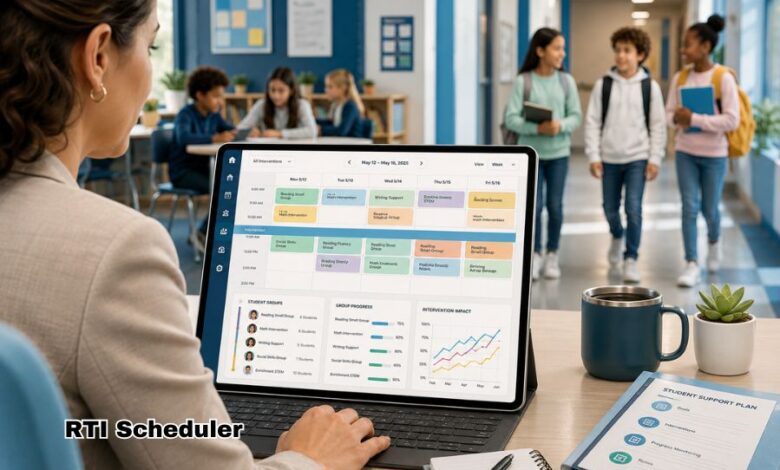
An RTI Scheduler is an important digital tool for modern K-12 schools that want to manage student intervention, enrichment, and support periods in a more organised way. RTI stands for Response to Intervention, which is a structured educational approach used to identify students who may need academic, behavioural, or social-emotional support. Instead of waiting until a student is far behind, schools use RTI systems to respond early with targeted help. In many schools, this intervention time is called WIN time, meaning “What I Need”, while other schools may call it flex time, power hour, advisory block, enrichment period, intervention block, or student support time. No matter what name is used, the purpose is the same: every student should receive the right support at the right time. An RTI Scheduler makes this process smoother by helping administrators, teachers, and support staff place students into the correct sessions without relying on confusing paper lists, manual timetable changes, or scattered communication.
What Is an RTI Scheduler?
An RTI Scheduler is specialised educational software that helps schools plan, organise, and manage student schedules during intervention and enrichment periods. It allows teachers and school leaders to assign students to specific support sessions based on learning needs, assessment results, teacher recommendations, behaviour data, or progress reports. In a traditional school setting, intervention scheduling can become difficult because many students may need different types of support at the same time. Some students may need reading help, others may need maths practice, while others may require social-emotional support, academic coaching, or enrichment activities. An RTI Scheduler brings all these needs into one clear system. It helps staff see where each student should go, which teacher is leading the session, how many students are assigned, and whether the session still has space. This makes the intervention period more structured, purposeful, and easier to manage.
Why Schools Need an RTI Scheduler
Schools need an RTI Scheduler because managing intervention time manually can quickly become stressful and disorganised. Without a proper system, teachers may use spreadsheets, printed rosters, emails, or handwritten notes to place students into different sessions. This can lead to errors, double bookings, missed sessions, overcrowded classrooms, and poor communication between staff. When a school has hundreds of students moving to different support blocks, even a small mistake can create confusion. An RTI Scheduler reduces these problems by giving schools a central platform where student placements can be created, updated, and monitored easily. It also saves valuable time for teachers and administrators, allowing them to focus more on student learning instead of schedule management. For schools that run frequent intervention periods, the software becomes a practical tool for keeping everything clear and consistent.
How RTI Scheduler Supports Response to Intervention
The main purpose of Response to Intervention is to provide early and targeted support to students before their challenges become more serious. An RTI Scheduler supports this goal by making sure students are placed into the right intervention groups based on their actual needs. For example, a student struggling with reading fluency can be assigned to a reading intervention session, while another student who needs help with problem-solving can be placed in a maths support group. Students who are performing well can be scheduled for enrichment, project-based learning, leadership activities, or independent study. This flexible scheduling helps schools respond to changing student needs. If a student improves, they can move to a different group. If another student begins to struggle, they can be added to a support session quickly. This makes RTI more responsive, organised, and effective.
RTI Scheduler and WIN Time
Many schools use an RTI Scheduler during WIN time, which stands for “What I Need”. WIN time is designed to give students personalised support during the school day without removing them from core learning. During this period, students may attend intervention, enrichment, reteaching, extension, counselling, study support, or skill-building sessions. The challenge is that student needs change regularly, and manually assigning students every week can become difficult. An RTI Scheduler helps schools manage WIN time by allowing staff to create sessions, assign students, track attendance, and adjust placements when needed. This means every student can be directed to the place where they will benefit most. A well-managed WIN time system can improve student confidence, close learning gaps, and give teachers a better way to support mixed student needs.
Key Features of an RTI Scheduler
A good RTI Scheduler includes features that make intervention planning easier for schools. One major feature is student grouping, which allows staff to place students into sessions based on academic data, behaviour records, teacher input, or individual support plans. Another useful feature is teacher availability tracking, which helps administrators understand which staff members can lead specific sessions. Many systems also include room capacity management, so schools do not place too many students in one classroom. Attendance tracking is another important feature because schools need to know whether students are actually attending their assigned intervention sessions. Some RTI Scheduler platforms may also include reporting tools, progress monitoring, student request options, recurring session settings, and integration with school information systems. These features help schools move from basic scheduling to a more complete student support system.
Benefits for Teachers
An RTI Scheduler gives teachers more clarity and less administrative pressure. Teachers often spend a lot of time trying to identify which students need support, where they should go, and how sessions should be organised. With a scheduling tool, teachers can quickly view their assigned students, prepare suitable activities, and understand the purpose of each intervention group. It also helps teachers recommend students for support without sending multiple emails or making last-minute changes. When teachers know exactly who is attending their session, they can plan more focused lessons. This improves the quality of intervention because the teacher is not wasting time sorting out confusion at the beginning of the period. The result is a more productive support block where students receive meaningful help.
Benefits for Administrators
For school administrators, an RTI Scheduler provides better control over the whole intervention process. Administrators can create sessions, assign teachers, monitor student placements, manage room capacity, and identify scheduling gaps from one platform. This helps them avoid common problems such as overloaded groups, unassigned students, or uneven teacher responsibilities. It also gives school leaders useful data about how intervention time is being used. They can see which students are receiving support, how often they attend, and which areas need more resources. This information can support better planning, staff meetings, parent communication, and school improvement decisions. Instead of managing intervention through scattered documents, administrators can use a clear system that improves accountability and organisation.
Benefits for Students
The biggest advantage of an RTI Scheduler is that it helps students receive the support they actually need. Students who are struggling academically can be placed into targeted sessions instead of general study periods. Students who need emotional or behavioural support can be directed to suitable staff members. Students who are ready for more challenge can take part in enrichment instead of repeating work they already understand. This creates a more personalised learning experience. When students are placed correctly, they are more likely to feel supported rather than ignored or misplaced. Clear scheduling also reduces confusion because students know where to go and why they are attending a specific session. Over time, this can improve engagement, confidence, and academic progress.
RTI Scheduler and Data-Based Decisions
A strong RTI Scheduler supports data-based decision making, which is a key part of effective intervention. Schools collect different kinds of student data, including test results, classroom performance, attendance records, behaviour reports, and teacher observations. This data helps staff decide what kind of support each student needs. An RTI Scheduler makes it easier to turn this information into action. For example, if assessment data shows that a group of students is weak in vocabulary, the school can create a vocabulary intervention session and assign those students to it. If another group needs exam revision or writing support, a separate session can be created. As students improve, their placements can be updated. This means support becomes flexible and evidence-based rather than random or fixed.
Common Problems an RTI Scheduler Solves
An RTI Scheduler solves many common problems schools face during intervention periods. One major problem is confusion about where students should go. Another is poor communication between teachers, administrators, and students. Manual systems can also lead to double bookings, missing names, inaccurate attendance, and last-minute timetable changes. In some schools, intervention periods become less effective because students are placed into sessions based on convenience rather than actual need. An RTI Scheduler helps prevent this by creating a structured process. It gives staff a shared view of the schedule, reduces mistakes, and helps schools use intervention time more wisely. When the system is clear, teachers feel more prepared and students receive better support.
How to Choose the Right RTI Scheduler
Choosing the right RTI Scheduler depends on the needs of the school. A small school may need a simple system for organising WIN time, while a larger school or district may require advanced features such as reporting, integrations, attendance tracking, and multi-campus support. Schools should look for software that is easy to use, flexible, and reliable. Teachers should be able to recommend students and view schedules without complicated steps. Administrators should be able to create sessions, make changes, and monitor placements quickly. The system should also support different types of intervention, including academic support, enrichment, advisory, social-emotional learning, and behaviour support. The best RTI Scheduler is one that matches the school’s structure and helps staff work more efficiently.
Conclusion
An RTI Scheduler is more than a simple timetable tool. It is a practical solution that helps schools manage intervention, WIN time, enrichment, and student support periods with greater accuracy and purpose. By using an RTI Scheduler, schools can reduce confusion, save staff time, improve communication, and make better decisions based on student needs. Teachers benefit from clearer session lists, administrators gain better control over scheduling, and students receive more targeted support. In a school environment where every minute matters, organised intervention planning can make a real difference. When used properly, an RTI Scheduler helps schools deliver the right support to the right students at the right time.
(FAQs)
What is an RTI Scheduler?
An RTI Scheduler is educational software that helps schools organise students into intervention, enrichment, WIN time, or support sessions based on their learning needs and progress data.
Why is an RTI Scheduler important?
An RTI Scheduler is important because it reduces scheduling confusion, saves teacher time, improves student placement, and helps schools provide targeted support more effectively.
What does RTI mean in schools?
RTI means Response to Intervention. It is a structured approach used by schools to identify students who need extra help and provide support before problems become more serious.
Can an RTI Scheduler be used for WIN time?
Yes, an RTI Scheduler is often used for WIN time because it helps schools assign students to the right support or enrichment sessions based on “What I Need”.
Who benefits from using an RTI Scheduler?
Teachers, administrators, support staff, and students all benefit from an RTI Scheduler because it improves organisation, communication, attendance tracking, and student support planning.