Nigel Owens: The Legendary Rugby Referee Who Redefined Authority and Fair Play

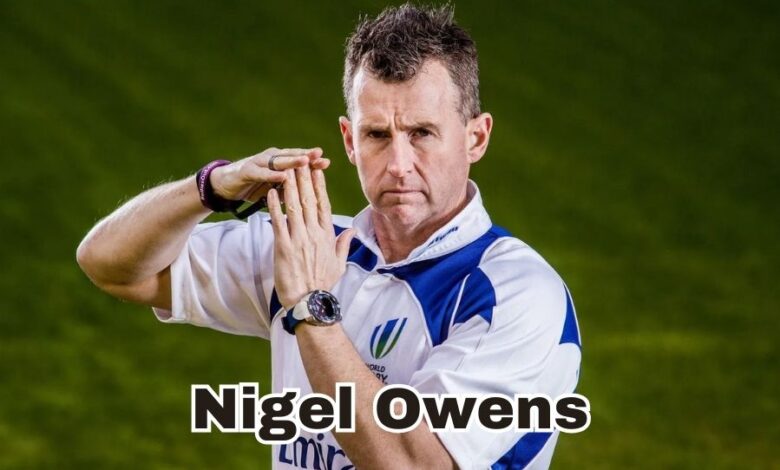
Few referees in world sport achieve the level of recognition and admiration that Nigel Owens has earned throughout his remarkable career. Known for his calm authority, deep knowledge of the game, and memorable sense of humor, Owens is widely considered one of the greatest referees in the history of rugby union. Born in the rural countryside of Wales, he rose from humble beginnings to officiate some of the most important matches in international rugby, including the final of the 2015 Rugby World Cup. Over the years, Nigel Owens became synonymous with fairness, discipline, and respect on the field. His record-breaking number of international Test matches, combined with his outspoken advocacy for mental health awareness and LGBTQ+ equality, has made him not just a sporting figure but a powerful role model for people across the world. The story of Nigel Owens is about perseverance, courage, and the ability to stand confidently both on and off the rugby field.
Early Life and Passion for Rugby
Nigel Owens was born on June 18, 1971, in the small Welsh village of Mynyddcerrig in Carmarthenshire. Growing up in a rural farming community, he developed a love for rugby at a very young age. Rugby union has long been a central part of Welsh culture, and like many young boys in the region, Owens dreamed of being involved in the sport he admired so deeply. However, rather than pursuing a career as a professional player, he found his calling in officiating. His fascination with the rules of the game and the importance of maintaining fairness inspired him to become a referee. Starting at local matches, Nigel Owens gradually gained experience and confidence, showing early signs of the strong communication skills and composure that would later define his international career. His journey from small village games to global rugby tournaments reflects a deep dedication to the sport and an unwavering commitment to excellence.
The Rise of Nigel Owens in International Rugby
The professional career of Nigel Owens began to take shape in the late 1990s when he started officiating at higher levels of Welsh rugby. His talent for controlling matches with confidence and clarity quickly caught the attention of rugby authorities. In 2003, Owens made his international debut as a referee in a Test match, marking the beginning of what would become one of the most distinguished refereeing careers in rugby history. Over the next two decades, he officiated numerous matches in prestigious competitions including the Six Nations Championship, the Rugby Championship, and several Rugby World Cup tournaments. His consistent performances, combined with his ability to manage intense matches without losing authority, earned him immense respect among players, coaches, and fans. Eventually, Nigel Owens broke records by officiating the highest number of international Test matches ever recorded by a rugby referee, cementing his status as a legend in the sport.
The Historic 2015 Rugby World Cup Final
One of the greatest milestones in the career of Nigel Owens came when he was selected to referee the final of the 2015 Rugby World Cup held in England. The match between New Zealand and Australia was one of the most anticipated rugby games in modern history, watched by millions of fans worldwide. Being chosen to officiate such a high-profile event is considered the ultimate recognition for any referee. Owens handled the match with exceptional professionalism, ensuring that the game flowed smoothly while maintaining strict control over the rules. His performance during the final received widespread praise from rugby experts and commentators, who applauded his clear communication and calm leadership on the field. The moment confirmed what many already believed: Nigel Owens was among the greatest referees the sport had ever seen.
A Unique Style: Authority with Humor
One of the defining characteristics of Nigel Owens is his distinctive refereeing style. Unlike many officials who rely solely on strict discipline, Owens combined authority with humor and personality. His witty remarks during matches often became viral moments among rugby fans. One of his most famous lines came during a heated argument between players when he said, “This is not soccer.” The comment quickly became legendary in the rugby community and perfectly captured Owens’ ability to defuse tension with a touch of humor. Despite these lighter moments, he always maintained complete control of the match and ensured that players respected both the rules and the spirit of the game. His balanced approach demonstrated that referees could command respect without being overly aggressive or confrontational, making Nigel Owens a beloved figure in international rugby.
Personal Challenges and Mental Health Advocacy
While Nigel Owens achieved extraordinary success in his professional career, his personal journey was not without challenges. In his early years, he struggled deeply with his identity and mental health. Growing up in a small rural community, he found it difficult to openly discuss his sexuality and the pressures he faced. Owens later revealed that he battled depression and even attempted suicide during a particularly difficult period in his life. However, through resilience and support from friends and family, he eventually overcame these struggles. By sharing his experiences publicly, Nigel Owens became a powerful advocate for mental health awareness. His honesty helped break the stigma surrounding mental health issues in sports and encouraged many people to speak openly about their own struggles. His story serves as a reminder that even the strongest individuals can face personal challenges and that seeking help is a sign of courage rather than weakness.
Champion for LGBTQ+ Equality in Sports
Another important aspect of Nigel Owens’ legacy is his role as a prominent voice for LGBTQ+ equality in sports. In 2007, he publicly came out as gay, becoming one of the first high-profile figures in professional rugby to do so. At a time when discussions about sexuality in sports were still limited, his openness was both brave and groundbreaking. Owens used his platform to promote inclusivity and respect within the sporting community, emphasizing that talent and dedication should matter more than personal identity. Over the years, he has spoken at numerous events and conferences about the importance of diversity and acceptance in sports. His advocacy has helped create a more welcoming environment for athletes and officials who might otherwise feel marginalized. Through his courage and authenticity, Nigel Owens has inspired countless individuals around the world.
Retirement and Life Beyond the Rugby Field
After decades of officiating at the highest level, Nigel Owens announced his retirement from international refereeing in 2020. His final matches marked the end of an era for rugby fans who had grown accustomed to seeing him manage the sport’s biggest games. However, retirement did not mean stepping away from rugby entirely. Owens has remained involved in the sport through mentoring young referees, working as a television commentator, and participating in rugby-related events. His experience and knowledge continue to benefit the next generation of officials who aspire to follow in his footsteps. Even outside the rugby field, Owens remains active in promoting mental health awareness and equality initiatives, ensuring that his influence continues to extend far beyond sports.
The Enduring Legacy of Nigel Owens
The impact of Nigel Owens on rugby union cannot be overstated. Throughout his career, he set new standards for professionalism, fairness, and integrity in officiating. His record-breaking achievements, combined with his charismatic personality and commitment to social causes, have left a lasting impression on the global rugby community. For many fans, Owens represents the ideal referee: someone who understands the game deeply, communicates effectively with players, and maintains respect for both the rules and the spirit of sport. Today, his legacy continues to inspire referees, athletes, and fans around the world who admire not only his skill but also his courage and honesty. Nigel Owens remains a symbol of excellence, proving that leadership in sports is about much more than simply enforcing rules.
Conclusion
The story of Nigel Owens is one of resilience, passion, and remarkable achievement. From a small Welsh village to the grand stage of international rugby, he built a career that redefined what it means to be a referee. His professionalism on the field, combined with his openness about personal struggles and commitment to equality, has made him one of the most respected figures in modern sports. Even after retiring from officiating, his influence continues to shape rugby and inspire conversations about mental health and inclusion. Ultimately, Nigel Owens stands as a powerful example of how courage, authenticity, and dedication can create a legacy that extends far beyond the boundaries of sport.
(FAQs)
Who is Nigel Owens?
Nigel Owens is a retired Welsh international rugby union referee widely regarded as one of the greatest referees in the history of the sport.
What record does Nigel Owens hold in rugby?
He holds the record for officiating the most international Test matches in rugby union history.
Which major match did Nigel Owens referee in 2015?
He officiated the 2015 Rugby World Cup Final between New Zealand and Australia.
Why is Nigel Owens famous beyond rugby?
Apart from his refereeing career, he is known for advocating mental health awareness and LGBTQ+ equality in sports.
When did Nigel Owens retire from international refereeing?
Nigel Owens retired from international refereeing in 2020 after an outstanding career spanning nearly two decades