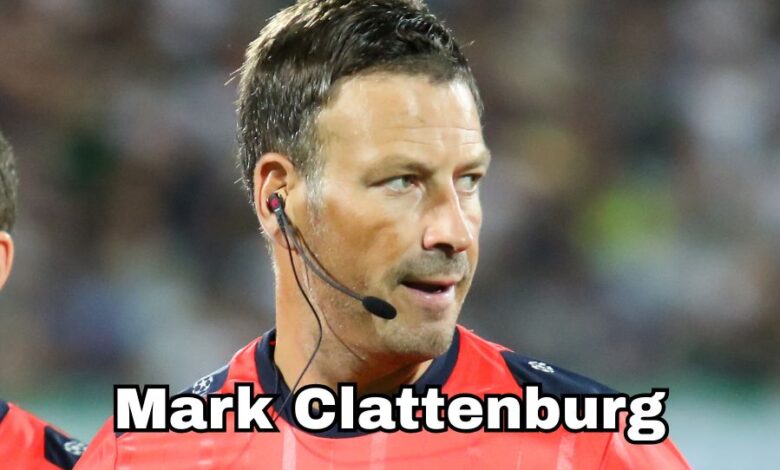
Mark Clattenburg was born on 13 March 1975 in England and grew up with a deep passion for football. Unlike many who dream of becoming professional players, Clattenburg found his calling in officiating at a relatively young age. He began refereeing as a teenager, developing his understanding of the game from a perspective that demanded fairness, discipline, and quick thinking. The early stages of his journey were far from glamorous. He officiated local matches, often on modest pitches with limited spectators, but these formative experiences built the foundation of his career.
As he progressed through the ranks of English football, it became clear that Clattenburg possessed something special. His ability to manage players with authority while keeping the tempo of the game flowing set him apart. Refereeing is not just about enforcing rules; it is about reading the emotional temperature of a match. In those early years, he refined the communication skills and confidence that would later define his professional identity. His dedication to improvement and consistency eventually opened the door to the top tier of English football.
Rise to the Premier League Stage
Clattenburg’s promotion to officiate in the Premier League marked a defining chapter in his career. The Premier League is widely regarded as one of the most competitive and intense domestic leagues in the world. Matches are fast, physical, and emotionally charged, demanding referees who can handle pressure with composure. Clattenburg quickly established himself as a reliable and commanding presence.
He was known for allowing the game to flow rather than interrupting it unnecessarily, a style appreciated by players and fans alike. His firm yet calm approach meant that even in heated situations, he rarely appeared overwhelmed. Over the years, he officiated numerous high-profile fixtures, including fierce derbies and title-deciding encounters. His consistent performances earned him recognition as one of England’s top officials and secured his place on the international stage.
International Recognition and Major Finals
The year 2016 stands out as perhaps the pinnacle of Mark Clattenburg’s refereeing career. That year, he officiated the final of the UEFA Champions League Final, one of the most prestigious club matches in world football. To be entrusted with such an event is a testament to a referee’s credibility and excellence. The final featured two Spanish giants, and the stakes could not have been higher. Clattenburg managed the match with remarkable composure, reinforcing his global reputation.
In the same extraordinary year, he was also selected to referee the UEFA Euro 2016 Final. Few referees in history have officiated both the Champions League Final and a European Championship Final in the same calendar year. This rare achievement placed Clattenburg among the elite of his profession. His performances during these matches demonstrated not only technical expertise but also emotional intelligence and game management skills at the highest level.
These assignments highlighted the trust placed in him by international governing bodies. Referees are scrutinized intensely, especially during finals, where every decision is analyzed worldwide. Clattenburg’s ability to navigate these pressures underscored his professional excellence and mental strength.
Officiating Style and Leadership on the Pitch
One of the defining characteristics of Mark Clattenburg was his distinctive officiating style. He combined clear communication with strong body language, ensuring players understood his decisions without unnecessary confrontation. Rather than seeking the spotlight, he focused on maintaining control while keeping the match fair and entertaining.
Clattenburg believed that referees should support the spirit of the game. This philosophy meant he often used verbal warnings and preventative officiating before resorting to cards. His approach earned respect from many players who appreciated consistency and clarity. However, refereeing at the top level also means accepting that criticism is inevitable. No matter how skilled an official may be, contentious decisions can spark debate. Clattenburg faced such scrutiny with resilience, understanding that controversy is part of elite football.
Controversies and Public Scrutiny
The life of a top referee is rarely free from controversy. Throughout his career, Clattenburg encountered moments that attracted media attention and public debate. High-profile matches inevitably bring disagreements over penalties, red cards, and offside decisions. In the modern era, with slow-motion replays and widespread social media commentary, referees operate under intense observation.
Despite facing criticism at times, Clattenburg consistently defended his integrity and professionalism. He understood that referees must make split-second decisions based on their positioning and interpretation of events. These moments of scrutiny, rather than diminishing his career, showcased his resilience. He remained focused on his responsibilities and continued to perform at a high standard, reinforcing the respect he commanded within the football community.
Departure from the Premier League
In 2017, Clattenburg made a surprising decision to leave English football and accept a role abroad. His move to officiate in Saudi Arabia marked a new chapter in his professional journey. The decision sparked conversation within the football world, as it was unusual for a referee at the peak of his career to step away from Europe’s top competitions.
This transition reflected his desire for new challenges and opportunities. Officiating in different football cultures broadened his perspective and influence. It also highlighted the growing global demand for experienced referees who could elevate standards and mentor emerging officials. Clattenburg’s move demonstrated that refereeing careers can extend beyond traditional pathways.
Life Beyond the Whistle
After retiring from active refereeing, Mark Clattenburg remained connected to football. He transitioned into roles involving analysis, consultancy, and media appearances. His firsthand experience in major tournaments gave him valuable insight into the complexities of officiating decisions. Fans and broadcasters often seek his perspective to better understand contentious moments in modern matches.
Beyond technical analysis, Clattenburg has spoken about the mental pressures referees face. The constant evaluation, criticism, and responsibility require extraordinary resilience. By sharing his experiences, he has contributed to a broader appreciation of the challenges officials encounter. His post-retirement career reflects his ongoing commitment to football and his desire to enhance understanding of the referee’s role.
Legacy in Modern Football
The legacy of Mark Clattenburg is defined not only by the matches he officiated but also by the standard he set for professionalism. Being chosen to oversee multiple major finals in one year remains one of his most remarkable achievements. His career serves as an example for aspiring referees who aim to reach the highest levels of the sport.
Clattenburg’s journey illustrates that refereeing is both an art and a science. It requires knowledge of the rules, physical fitness, psychological awareness, and strong communication skills. His ability to balance these elements made him one of the most respected officials of his era. While players often receive the headlines, referees like Clattenburg play an essential role in preserving the integrity of the game.
The Pressure and Prestige of Elite Officiating
Elite referees operate in a unique professional environment. They must remain impartial while managing world-class athletes and passionate crowds. The stakes are enormous, as a single decision can influence championships and careers. Mark Clattenburg navigated this demanding landscape with remarkable composure.
His career underscores the reality that referees are human yet expected to perform with near-perfect precision. Advances in technology, including video assistance systems, have changed the dynamics of officiating, but during much of Clattenburg’s peak years, decisions relied heavily on on-field judgment. His success in that context further emphasizes his skill and confidence.
Conclusion
The story of Mark Clattenburg is one of dedication, resilience, and achievement at the highest level of world football. From grassroots beginnings to officiating some of the sport’s most prestigious finals, his career reflects the discipline, mental strength, and professional integrity required to succeed as an elite referee. While players may score the goals and lift the trophies, referees like Clattenburg ensure that the game is played fairly and within the spirit of the rules. His legacy remains a powerful reminder that behind every great match stands an official whose decisions shape history
(FAQs)
Who is Mark Clattenburg?
Mark Clattenburg is an English former professional football referee known for officiating major international and domestic finals, including the 2016 Champions League and Euro finals.
What is Mark Clattenburg’s most notable achievement?
His most notable achievement is officiating both the UEFA Champions League Final and the UEFA Euro Final in 2016, a rare accomplishment for any referee.
Why did Mark Clattenburg leave the Premier League?
He left in 2017 to pursue opportunities abroad, including officiating in Saudi Arabia, seeking new professional challenges.
What is Mark Clattenburg doing now?
After retiring from refereeing, he has worked in football analysis, consultancy, and media roles, sharing his expertise on officiating decisions.
What made Mark Clattenburg stand out as a referee?
His calm authority, strong communication skills, consistency, and ability to manage high-pressure matches distinguished him from many of his peers