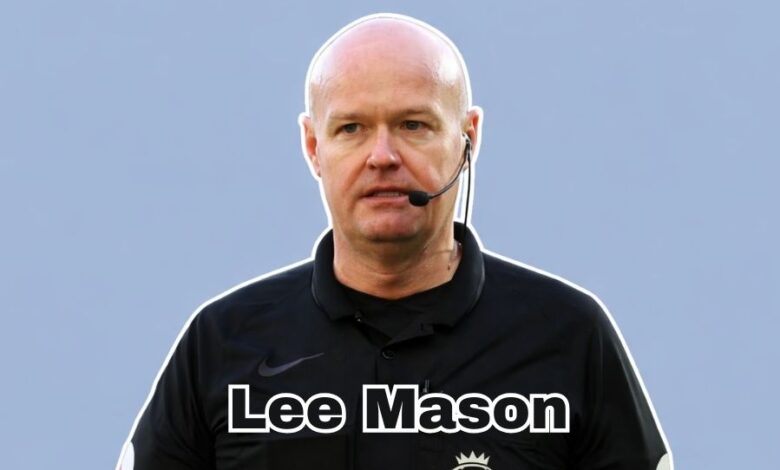
Lee Mason began his journey in football not as a celebrated athlete but as an official dedicated to enforcing the laws of the game. Born in England, Mason developed a passion for football at a young age, like many who grow up immersed in the sport’s culture. However, instead of pursuing a playing career, he found his calling in officiating. This decision would ultimately shape a professional path that spanned more than three decades and placed him at the heart of English football’s most intense and high-profile matches. His early experiences in grassroots football were foundational, teaching him discipline, authority, and the ability to manage players under pressure. Grassroots officiating often lacks the technological support and institutional framework available at higher levels, making it a true test of character and resilience. These formative years helped Mason cultivate a strong understanding of game management, communication, and positional awareness.
Climbing the English Football Pyramid
The journey from local leagues to elite competition in England is neither quick nor simple. Mason steadily progressed through county leagues and lower divisions, earning promotions based on performance evaluations and assessments. The English football pyramid is one of the most competitive systems in the world, and referees must consistently demonstrate accuracy, composure, and physical fitness to move upward. Mason’s steady advancement reflected both competence and determination. By the time he reached the professional tiers, he had already accumulated years of experience dealing with varying match intensities and tactical styles. His performances eventually led to appointments in the English Football League, where the pace and physicality of matches demanded higher levels of concentration. It was here that Mason refined his officiating style, balancing firmness with fairness and developing the confidence required to handle professional players and managers.
Establishing Himself in the Premier League
Mason’s promotion to the Premier League marked a defining chapter in his career. The Premier League is globally recognized for its intensity, competitiveness, and commercial reach, making it one of the most challenging environments for referees. Officiating at this level requires exceptional fitness, mental sharpness, and the ability to make split-second decisions under immense scrutiny. Mason officiated hundreds of top-flight matches, overseeing fixtures involving title contenders, relegation battles, and fierce local derbies. Each match carried significant consequences, amplifying the importance of every whistle and card shown. In this environment, referees are not merely rule enforcers but also managers of player behavior and match tempo. Mason’s long tenure in the league highlighted his ability to meet these demands and maintain trust within the governing structures of English football.
The Role of PGMOL and Professional Standards
Throughout his career, Mason operated under the authority of Professional Game Match Officials Limited (PGMOL), the organization responsible for managing referees in English professional football. PGMOL plays a central role in referee training, match appointments, and performance reviews. Being part of this system means undergoing rigorous evaluation after every match. Referees receive detailed feedback on positioning, decision-making, and law interpretation. Mason’s sustained presence in high-level matches reflected continued confidence from PGMOL in his capabilities. The structure ensures accountability while promoting continuous development, and Mason’s career serves as an example of how referees evolve within a professional framework designed to maintain high standards.
Navigating the Era of VAR
One of the most transformative periods in Mason’s career coincided with the introduction of the Video Assistant Referee (VAR) system in English football. VAR was implemented to reduce clear and obvious errors, but its arrival fundamentally changed the dynamics of officiating. Referees were now required to collaborate with video officials, review decisions on pitch-side monitors, and explain outcomes in a more transparent manner. For Mason, adapting to VAR meant learning new communication systems and adjusting to longer stoppages in play. While technology aimed to enhance fairness, it also intensified scrutiny. Every decision could be replayed and analyzed from multiple angles, often sparking widespread debate. Mason’s involvement in VAR-era matches placed him at the center of discussions about technology’s role in modern football, illustrating the complexities of balancing human judgment with technological assistance.
Controversies and Public Scrutiny
No long-serving Premier League referee escapes controversy, and Mason’s career was no exception. High-profile matches sometimes produced decisions that divided opinion among fans, pundits, and players. In the modern media landscape, even minor officiating errors can dominate headlines and social media discourse. Mason found himself at the center of several debated moments, reflecting the intense spotlight placed on referees in elite football. However, controversy is an inherent part of officiating at the highest level. The speed of play, physical contact, and tactical intricacies of the Premier League create countless grey areas in decision-making. Mason’s experiences underscore the reality that referees operate in a high-pressure environment where perfection is nearly impossible, yet consistency and professionalism remain essential.
Physical and Mental Demands of Elite Officiating
Modern refereeing is physically demanding, often requiring officials to cover distances comparable to midfield players during a match. Mason’s longevity in top-flight football highlights his commitment to maintaining elite fitness standards. Referees undergo regular fitness tests and training sessions to ensure they can keep pace with the game. Beyond physical demands, the psychological aspect of refereeing is equally significant. Managing player dissent, handling crowd pressure, and maintaining concentration for ninety minutes require immense mental resilience. Mason’s career reflects the discipline and mental fortitude necessary to thrive in such a demanding profession. His ability to navigate criticism and maintain focus contributed to his extended presence in English football’s top division.
Retirement and Lasting Impact
After more than thirty years in officiating, Mason eventually stepped away from active refereeing. Retirement marked the conclusion of a significant chapter not only in his life but also within the broader context of English officiating. Experienced referees often transition into mentorship or advisory roles, sharing insights gained from years on the field. Mason’s departure symbolized the generational shift within English refereeing, as newer officials continue adapting to evolving technologies and tactical trends. His career serves as a case study in the complexities of modern officiating, highlighting both the opportunities and challenges faced by referees in a globalized sporting environment.
The Legacy of Lee Mason in English Football
The legacy of Lee Mason is multifaceted. On one hand, he is remembered for his longevity and service in the Premier League; on the other, he represents the broader debate surrounding officiating standards and the implementation of VAR. His career mirrors the transformation of English football into a highly commercialized and technologically advanced spectacle. Referees today operate in an environment vastly different from that of previous generations, facing constant analysis from broadcasters and supporters worldwide. Mason’s journey reflects the evolution of the referee’s role from a relatively understated authority figure to a highly scrutinized participant in the sport’s global narrative.
Conclusion
Lee Mason remains one of the most recognizable names in modern English refereeing, a figure whose career encapsulates dedication, scrutiny, and adaptation. From grassroots beginnings to officiating in the Premier League, his journey reflects the growth of English football and the increasing complexity of the referee’s role. While moments of controversy shaped public perception, his longevity and consistent appointments demonstrate sustained trust from governing bodies. Mason’s story ultimately highlights the human element at the heart of officiating—a profession defined by split-second decisions, accountability, and unwavering commitment to the integrity of the game.
(FAQs)
Who is Lee Mason?
Lee Mason is a retired English football referee best known for officiating matches in the Premier League over a career spanning more than three decades.
How long did Lee Mason officiate in the Premier League?
He served as a Premier League referee for many years, overseeing hundreds of matches during his top-flight career.
What role did Lee Mason play in the VAR era?
Mason officiated during the introduction of VAR in English football and was involved in matches where video review decisions attracted significant attention.
What organization managed Lee Mason’s refereeing career?
His professional appointments were overseen by Professional Game Match Officials Limited (PGMOL), the body responsible for refereeing standards in English professional football.
What is Lee Mason’s legacy in football?
His legacy reflects both his long service in elite officiating and the broader challenges faced by referees in a rapidly evolving and highly scrutinized sporting landscape