Breeze Air Quality: Breathing Easier Starts at Home

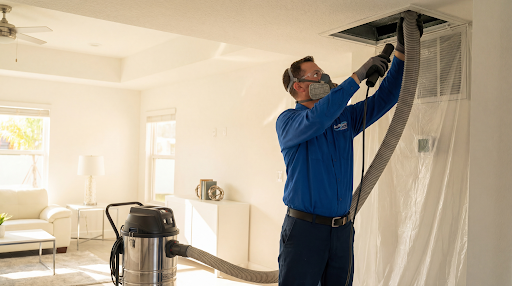
Most people think about air quality as an outdoor problem—smog, pollen, industrial emissions. But the air inside your home can be two to five times more polluted than the air outside, according to the U.S. Environmental Protection Agency. Your HVAC system sits at the center of that reality. When ducts go uncleaned, they quietly circulate dust, allergens, mold spores, and bacteria through every room, every day.
That’s not a small problem. It affects your comfort, your health, and your energy bills. The good news? It’s entirely fixable.
What’s Actually Living Inside Your HVAC System?
Your HVAC system works hard—heating, cooling, and filtering air around the clock. Over time, the ductwork becomes a collection point for everything that travels through the air in your home: pet dander, dust mites, pollen, mold, and even rodent droppings in some cases.
When the system kicks on, all of that gets pushed back into your living spaces. If you’ve noticed more frequent sneezing, persistent musty odors, or dust settling on surfaces shortly after cleaning, your HVAC system is likely the culprit.
Children, elderly individuals, and anyone with asthma or allergies feel these effects the most. But no one benefits from breathing recycled contaminants, regardless of age or health status.
Why Regular HVAC Cleaning Makes a Real Difference
A clean HVAC system doesn’t just smell better—it performs better. Debris buildup forces the system to work harder to push air through clogged ducts, which drives up energy consumption and shortens the lifespan of the equipment. Regular professional cleaning addresses both concerns at once.
Here’s what a thorough HVAC cleaning service typically covers:
- Air duct inspection and cleaning: Removing accumulated dust, debris, and biological contaminants from the duct network
- Coil cleaning: Ensuring the evaporator and condenser coils are free of buildup that reduces efficiency
- Blower component cleaning: Clearing debris from fans and motors to maintain proper airflow
- Filter replacement: Upgrading filters to appropriate MERV ratings for your home’s needs
- Sanitization: Applying EPA-approved antimicrobial treatments to eliminate mold and bacteria
Each of these steps contributes to a measurable improvement in both air quality and system performance. Skipping professional service means the system keeps circulating whatever it has collected—and it collects more every season.
How Poor Air Quality Affects Your Home Life
The effects of dirty air don’t always announce themselves dramatically. More often, they build gradually: a family member who seems to have a permanent cold, elevated electricity bills with no clear cause, a faint musty smell that no amount of candles seems to fix.
Mold growth inside ductwork is a particularly serious concern. Once mold spores are present in the air supply, they spread efficiently through the home and can take hold wherever moisture exists. Left untreated, mold remediation becomes a far more expensive and disruptive process than preventive cleaning would have been.
The same logic applies to pest infestations. Rodents and insects occasionally nest inside ductwork, leaving behind debris and contaminants that persist long after the pests are removed. Professional HVAC cleaning identifies and addresses these issues before they escalate.
What Sets Professional HVAC Cleaning Apart From DIY
Replacing a filter is something any homeowner can do. Deep duct cleaning is a different matter entirely. Without the right equipment—high-powered vacuums, rotary brushes, inspection cameras—surface cleaning only redistributes debris rather than removing it.
Professional HVAC technicians use negative pressure systems that contain contaminants during the cleaning process, preventing them from being released back into the home. They also have the expertise to identify issues like duct leakage, improper insulation, or mechanical problems that affect system performance.
The investment in professional service pays off quickly. A cleaner system runs more efficiently, which lowers monthly energy costs. Equipment that isn’t overworked also lasts longer, delaying the significant expense of full system replacement.
Why Now Is the Right Time to Schedule Your HVAC Cleaning
Timing matters when it comes to HVAC maintenance. Scheduling a cleaning before peak heating or cooling season ensures the system is operating at full efficiency when it needs to work hardest. Spring and fall are ideal windows—before the demands of summer cooling and winter heating put maximum stress on the equipment.
If it has been more than two to three years since your last professional cleaning, or if your home has undergone recent renovations, the case for scheduling service becomes even stronger. Construction creates substantial dust and debris that finds its way into ductwork quickly.
Cleaner Air, Healthier Home
The quality of the air you breathe at home is worth taking seriously. Breeze Air Quality delivers professional HVAC cleaning services designed to remove the contaminants your system has been silently circulating—so every room in your home benefits from fresher, healthier air and your HVAC system runs at peak efficiency for years to come.
Clean ducts, efficient equipment, and healthier indoor air aren’t luxuries. They’re what a well-maintained home delivers. Scheduling a professional HVAC cleaning is one of the most practical investments you can make in both your property and your family’s well-being.
Don’t wait for the symptoms to get worse. Reach out today and discover what a difference truly clean air can make.