Best Pizza Porteña Near Me: How to Find Authentic Buenos Aires-Style Pizza

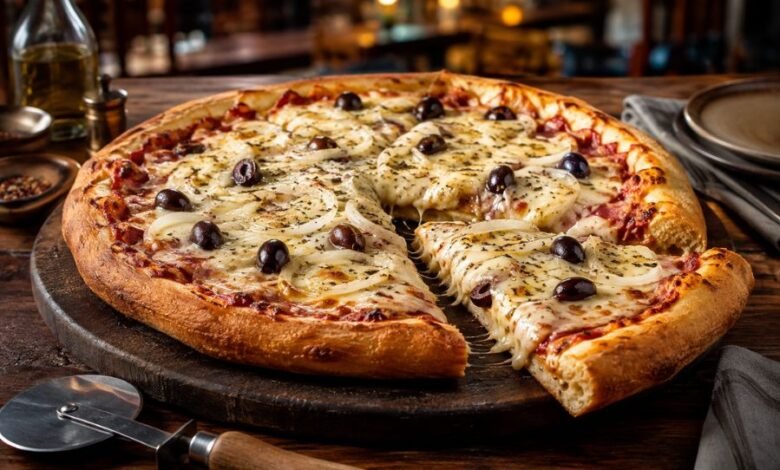
Searching for the best pizza porteña near me usually means wanting something very different from a thin Neapolitan pie or a standard takeaway pizza. Pizza porteña is closely associated with Buenos Aires, where pizza developed its own character: generous cheese, satisfying dough, bold toppings and classic combinations such as muzzarella, fugazza and fugazzeta. Official Buenos Aires tourism describes the local style as strongly influenced by Italian immigration but transformed over time into a distinctly porteño food tradition.
The challenge is that not every restaurant using words such as “Argentine pizza” or “Buenos Aires-style pizza” serves the same thing. Understanding the crust, cheese, traditional varieties and accompaniments can make it much easier to identify a genuinely good option nearby.
What Is Pizza Porteña?
Pizza porteña refers to the pizza tradition associated with Buenos Aires. The word porteño commonly relates to the people and culture of Buenos Aires, and the city’s pizza reflects generations of Italian culinary influence adapted to local tastes.
One of its most recognisable characteristics is abundance. Compared with many Italian pizzas, traditional Buenos Aires pizza can have a thicker, softer base and a noticeably generous layer of cheese. Official Argentine tourism describes porteña pizza as particularly known for its thick crust and plentiful cheese.
That does not mean every porteña pizza is thick. Buenos Aires pizzerias commonly offer different preparation styles, including al molde, a la piedra and sometimes grilled pizza. The thick, pan-baked al molde version, however, is especially associated with the classic city pizzeria experience.
Pizza al Molde
Pizza al molde is baked in a pan or mould. The dough tends to be higher and softer than a very thin pizza, giving each slice substantial body.
A good version should not simply feel like thick bread covered with cheese. The base needs enough structure to support the toppings while remaining pleasant to eat. Traditional Buenos Aires pizzerias are particularly known for serving high, heavily topped al molde pizzas.
Pizza a la Piedra
A la piedra pizza is normally thinner and crisper. It offers a different balance between crust and topping while still appearing in the broader Buenos Aires pizza tradition.
Someone who likes a crisp base may prefer this version, while those looking for the most recognisable old-school porteño experience may want to begin with al molde.
How to Find the Best Pizza Porteña Near Me
Typing best pizza porteña near me into a search engine or map service is a useful starting point, but restaurant ratings alone do not tell the whole story. Look closely at the menu, customer photos and descriptions of the dough.
Restaurants specialising in Argentine cuisine, Buenos Aires food or South American pizza are generally more promising than ordinary pizza shops that happen to offer one Argentine-inspired topping.
Search for menu terms such as:
- Pizza al molde
- Muzzarella or muzza
- Fugazza
- Fugazzeta
- Fugazzeta rellena
- Fainá
- Napolitana argentina
Finding several of these items together is a stronger sign that the restaurant understands the Buenos Aires pizza tradition rather than simply using an Argentine label for marketing.
Check Real Customer Photos
Customer photographs are particularly useful for this style of pizza. Look at the side of the slice rather than only the toppings.
For al molde pizza, the dough should appear substantial but not excessively dense. Cheese should be generous, especially on muzzarella and fugazzeta. Onion-heavy varieties should clearly feature onions rather than treating them as a minor garnish.
Photos also help identify whether the pizza shown on the restaurant’s promotional menu resembles what customers actually receive.
Read Reviews for Specific Details
A five-star score tells you less than a detailed review describing the food.
Useful comments may mention a fluffy crust, generous mozzarella, well-cooked onions, traditional Argentine flavour or good fainá. Reviews from customers familiar with Buenos Aires or Argentine cuisine can be especially informative, although individual taste naturally varies.
Recent reviews matter too. Restaurant quality, menus, chefs and preparation methods can change, so current customer experiences deserve more weight than comments from several years ago.
Traditional Porteña Pizzas Worth Ordering
Finding a good restaurant is only half the job. Choosing a traditional variety provides a better introduction to what makes this pizza culture distinctive.
Muzzarella
The classic muzzarella pizza is one of the essential Buenos Aires choices. It generally combines dough, tomato sauce and plenty of mozzarella-style cheese, often finished with oregano and olives.
Buenos Aires tourism describes muzzarella as the city’s interpretation of the classic Italian cheese-and-tomato pizza.
Its simplicity also makes it useful for judging a pizzeria. With fewer toppings hiding the fundamentals, the quality of the dough, sauce, cheese and baking becomes much easier to notice.
Fugazza
Fugazza reflects the strong Genoese influence within Argentine food culture. It is closely associated with onion and traditionally places much more emphasis on the onion-covered dough than a conventional cheese pizza.
It is a good option for someone interested in exploring the older, more distinctive side of Buenos Aires pizza rather than ordering familiar international combinations.
Fugazzeta
For many people, fugazzeta is the variety that immediately distinguishes Argentine pizza from other styles.
It combines generous cheese with onion and is often much richer than an everyday pizza. Traditional versions may be thick and soft, while fugazzeta rellena takes the idea further with cheese enclosed between layers of dough and onions above. Argentina’s official tourism site identifies stuffed fugazzeta as a signature Argentine preparation linked to Buenos Aires food culture.
If a nearby Argentine pizzeria specialises in fugazzeta, it is often one of the most worthwhile items to try.
Napolitana
Do not confuse Argentine pizza napolitana with traditional Neapolitan pizza from Naples.
Within the Buenos Aires pizzeria tradition, napolitana commonly refers to a pizza topped with ingredients such as tomato and garlic. Official Argentine tourism includes it alongside muzzarella and fugazzeta as one of the recognisable local pizza varieties.
It can be a good choice for someone who wants the richness of porteña pizza balanced by the freshness and acidity of tomato.
Do Not Forget Fainá
One of the strongest clues that a restaurant takes Argentine pizza traditions seriously is fainá.
Fainá is a savoury chickpea-based preparation associated with the Genoese influence on Buenos Aires cuisine. It is traditionally eaten alongside pizza, and many diners place a piece directly on top of a pizza slice. Argentine tourism describes it as a typical accompaniment made primarily from chickpea flour with water, oil and seasoning.
The combination may look unusual if you have never tried it, but it is deeply connected with the classic Buenos Aires pizzeria experience.
If you find a restaurant offering both al molde pizza and fainá, ordering them together can provide a more representative introduction to the style.
What Makes a Great Pizza Porteña?
Thickness alone does not make a good porteña pizza. Balance still matters.
The dough should support the substantial cheese and toppings without becoming soggy in the middle. A thick base should have enough lightness that it does not feel excessively heavy after a few bites.
Cheese is another major factor. Traditional Buenos Aires pizza is famous for using it generously, but quantity cannot compensate for poor texture or flavour. The cheese should melt properly and integrate with the sauce and crust rather than forming a greasy layer that slides away from the dough.
On pizzas such as fugazza and fugazzeta, onions need careful cooking. Ideally, they should become tender and aromatic while retaining enough character to prevent the topping from turning into a shapeless paste.
Authenticity Versus Personal Taste
There is no reason to reject a restaurant simply because it modernises porteña pizza.
Some contemporary pizzerias experiment with fermentation, different flour blends, unusual cheeses or lighter crusts. These variations can be excellent. Authenticity becomes relevant mainly when a restaurant specifically claims to offer traditional Buenos Aires pizza.
If tradition is the priority, start with a straightforward muzzarella, fugazza or fugazzeta before trying creative house specials. These classics reveal more about the kitchen’s understanding of the style.
If enjoyment matters more than strict tradition, choose according to the crust and toppings you already like. A thinner a la piedra pizza may suit one person better than a thick al molde slice even if the latter feels more traditionally porteño.
Dining In, Takeaway or Delivery?
Pizza porteña can work well for all three, but the eating experience changes.
Dining in is usually the safest choice when trying a restaurant for the first time. The pizza reaches the table straight from the oven, allowing the crust and melted cheese to be experienced as intended.
Takeaway can also work well, especially for thicker al molde pizzas. For delivery, distance becomes more important. A long journey inside a closed box can trap steam, softening the base and affecting the texture of a heavily topped pizza.
When ordering delivery, selecting a nearby restaurant with consistently positive comments about packaging and arrival temperature may be more useful than choosing a highly rated restaurant much farther away.
Best Way to Order for Your First Visit
For a first experience, ordering several contrasting items is better than choosing one heavily topped speciality.
A classic muzzarella provides a baseline. Fugazzeta demonstrates one of the most distinctive Buenos Aires combinations, while fainá introduces a traditional accompaniment rarely found in ordinary pizza restaurants.
Sharing different varieties also makes sense because porteña pizza can be rich. Instead of judging the entire cuisine from one slice, tasting two or three preparations reveals how much variation exists within the style.
Conclusion
Finding the best pizza porteña near me becomes much easier once you know what separates Buenos Aires-style pizza from ordinary pizza. Look beyond ratings and examine the restaurant’s menu, crust style, customer photos and traditional offerings. Terms such as al molde, muzzarella, fugazza, fugazzeta and fainá are especially useful clues.
For the most representative first order, a classic muzzarella or fugazzeta paired with fainá is difficult to overlook. A good porteña pizza should feel generous without being careless: substantial dough, properly melted cheese, well-prepared toppings and a satisfying balance in every slice. The best local option is ultimately the restaurant that combines those traditions with consistent preparation and food you genuinely enjoy eating.
Frequently Asked Questions
What does pizza porteña mean?
Pizza porteña generally refers to the pizza tradition of Buenos Aires, Argentina. It is often associated with generous cheese, classic Argentine toppings and styles such as thick pizza al molde.
What is the most traditional porteña pizza to try?
Muzzarella is a foundational classic, while fugazzeta is one of the most distinctive choices because of its combination of cheese and onions. Trying both gives a useful introduction to Buenos Aires pizza.
Is pizza porteña always thick?
No. Thick al molde pizza is strongly associated with traditional Buenos Aires pizzerias, but thinner a la piedra pizza is also part of the city’s pizza culture.
What is fainá, and why is it served with pizza?
Fainá is a savoury chickpea-based flatbread. In Buenos Aires, it is traditionally served with pizza and can be eaten separately or placed directly on top of a slice.
How can I find authentic pizza porteña near me?
Search for Argentine or Buenos Aires-style pizzerias and check their menus for terms such as al molde, muzzarella, fugazza, fugazzeta and fainá. Recent customer photos and detailed reviews can help confirm the style and quality.