Essential Skills Everyone Should Learn for Health Emergencies

Life presents unexpected crisis moments when immediate action makes all the difference. Being ready to act stops medical situations from worsening.
Anyone can pick up basic life-saving methods with minimal effort. Spending a small amount of time building these practical abilities pays off when seconds count.
Cardiopulmonary Resuscitation Techniques
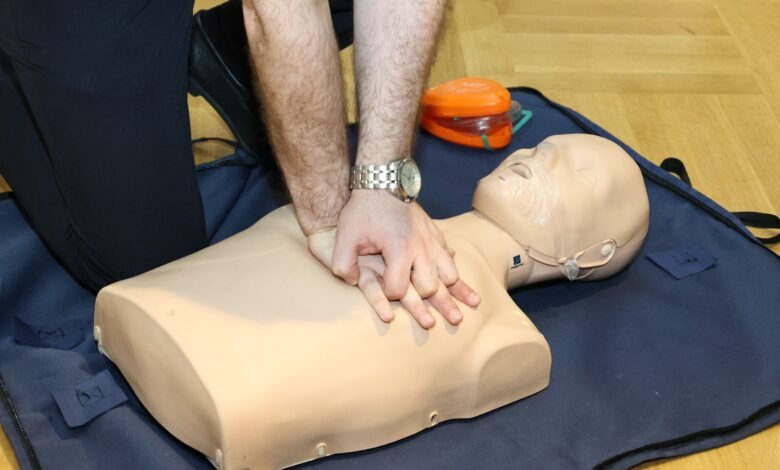
Sudden cardiac events require immediate chest compressions to maintain blood flow to main organs. Obtaining a formal First Aid Certification | MyCPRNOW helps individuals master compressions alongside proper breathing techniques. Hands-on practice builds confidence for unexpected high-stress scenarios.
Basic CPR procedures take very little time to grasp thoroughly. An educational guide from Idaho Medical Academy points out that learning chest compressions takes roughly 5 minutes and holds the potential to save lives. Mastered techniques give bystanders the power to bridge the gap before paramedics arrive.
Performing 100 to 120 compressions per minute keeps oxygen moving through the bloodstream. Pushing hard and fast in the center of the chest works best. Steady cadence preserves brain function until emergency personnel takes over.
Severe Bleeding Control Methods
Severe bleeding is a medical emergency and needs quick action. Stopping heavy blood loss as soon as possible can help save a person’s life. The first step is to press firmly on the wound with a clean cloth or bandage. Keep steady pressure until medical help arrives. If possible, raise the injured arm or leg above the heart to help slow the bleeding.
- Apply firm pressure
- Use a clean bandage
- Raise injured limb
- Use tourniquet correctly
- Call emergency services
- Stay with person
Quick first aid can help reduce blood loss and keep the injured person safer until emergency medical workers arrive.
Airway Obstruction Management
A person who is choking needs help right away. Learning basic first aid can help you respond quickly and safely during an emergency. A person with a blocked airway may not be able to speak, cough, or breathe. They may also hold their throat or look frightened. Knowing these signs can help you act without delay.
If the airway is fully blocked, use the correct first aid method to help remove the object. Stand behind the person and follow proper first aid steps. It is important to use the correct technique to avoid causing injury.
After the object is removed, the person should be checked by a medical professional. Quick action can help restore normal breathing and prevent serious problems
Shock Identification And Response
Shock is a serious medical emergency that can happen after a bad injury or heavy bleeding. A person in shock may have pale skin, feel cold, have a fast heartbeat, or seem confused. Learning to recognize these signs can help you respond quickly while waiting for emergency services.
Help the person lie flat on their back if it is safe to move them. If possible, raise their legs slightly to help blood flow. Keep them warm with a blanket and stay with them until help arrives.
Speak calmly and reassure the person while waiting for medical care. Quick first aid and fast medical treatment can help improve their chances of recovery.
Learn More About Health Emergencies
Acquiring basic medical response abilities equips individuals to handle spontaneous crisis moments. Prepared bystanders turn panicky situations into organized rescue efforts.
Taking time to study fundamental emergency responses creates safer home and workplace spaces. Personal readiness turns ordinary citizens into effective first responders. If you’d like to learn more, check out more articles on our blog.