The Complete Guide to Remote Property Management for UK Landlords

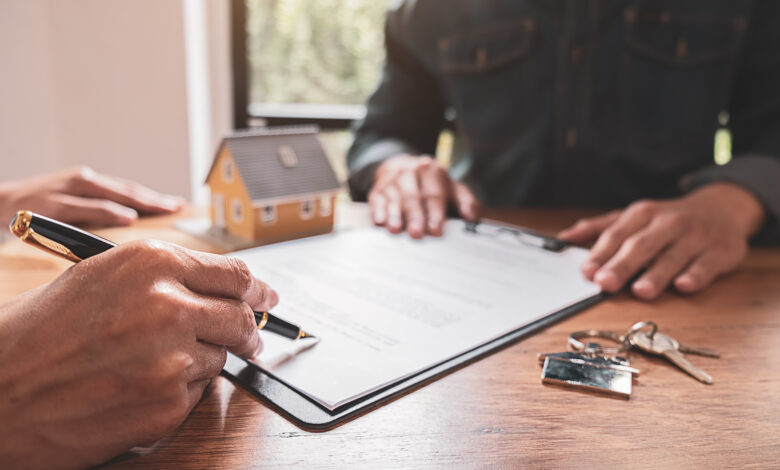
Managing a rental property is not always simple. When you live far away from your investment property, whether you are based in another city, working abroad, relocating temporarily, or building a property portfolio from a distance , the responsibilities can feel even more demanding. For many landlords across the United Kingdom, remote property management has become increasingly common, but success depends on having the right systems in place.
This guide covers everything UK landlords need to know about managing rental property remotely, reducing stress, protecting rental income, and ensuring tenants remain satisfied even when you are not physically nearby.
Understanding Remote Property Management
Remote property management simply means overseeing a rental property without living close enough to manage day-to-day responsibilities yourself. Some landlords may live in a different part of the UK, while others may be overseas investors who own residential property in Britain.
Although distance creates challenges, modern communication tools and professional support services make it easier than ever to manage a property effectively.
The key challenge for remote landlords is maintaining control while ensuring tenants receive a professional and responsive rental experience.
Build a Strong Foundation Before Letting the Property
Successful remote management begins before the property is even occupied. Many landlords make the mistake of focusing only on finding tenants while overlooking the systems needed for long-term management.
Before listing your property, make sure you have:
- A legally compliant tenancy agreement
- Valid safety certificates for gas and electrical systems
- Appropriate landlord insurance coverage
- An inventory report documenting property condition
- A process for handling repairs and maintenance
- Emergency contacts available for tenants
Having these basics in place prevents avoidable issues later.
Remember, rental property management becomes much harder when small administrative tasks are ignored early.
Finding Reliable Tenants Is More Important When Managing Remotely
Tenant selection is one of the most important parts of successful property management. When you are managing remotely, poor tenant choices can become expensive very quickly.
Take time to carefully review:
- Employment status and income stability
- Rental history and previous landlord references
- Credit checks
- Identity verification
- Affordability checks
A reliable tenant reduces the chances of missed rent payments, disputes, and unexpected property damage.
Remote landlords should never rush this stage simply to reduce vacancy periods.
Communication Creates Better Tenant Relationships
One of the biggest mistakes landlords make is becoming difficult to contact once tenants move in.
Tenants expect quick communication when reporting maintenance issues, asking contract questions, or requesting support.
To maintain a professional relationship, landlords should:
- Respond to messages quickly
- Provide multiple communication channels
- Clearly explain reporting procedures for repairs
- Keep tenants updated during maintenance work
- Conduct regular check-ins throughout the tenancy
Good communication improves tenant satisfaction and often leads to longer tenancy periods.
Happy tenants usually stay longer, reducing turnover costs.
Maintenance Planning Is Essential for Remote Landlords
Property maintenance becomes more complicated when you cannot personally visit the property.
A leaking boiler, electrical issue, or plumbing emergency cannot wait until you have time to travel.
Remote landlords should create a reliable network of local professionals, including:
- Plumbers
- Electricians
- Heating engineers
- General contractors
- Emergency repair specialists
It helps to build these relationships before emergencies happen.
Waiting until something breaks often results in rushed decisions and higher repair costs.
Consider Working With a Professional Letting Agent
Managing everything independently can become difficult, especially if you own multiple properties or live far from the rental location.
Many landlords choose to work with experienced local letting agents who handle day-to-day responsibilities on their behalf.
Professional agents can assist with:
- Tenant sourcing
- Property marketing
- Rent collection
- Routine inspections
- Maintenance coordination
- Legal compliance management
- Deposit handling
For landlords seeking hands-off property management support in Cambridgeshire , working with professional Letting and Estate agents in Peterborough can help simplify the process and provide peace of mind, especially for landlords managing properties from a distance.
Stay Updated With UK Landlord Legal Responsibilities
Landlord responsibilities in the UK continue to evolve, and remote landlords cannot afford to ignore legal requirements.
Even if you are not physically present, you remain legally responsible for compliance.
Important areas include:
- Gas safety checks
- Electrical safety standards
- Energy Performance Certificates
- Deposit protection requirements
- Right to Rent checks
- Property licensing requirements where applicable
Ignoring legal responsibilities can lead to financial penalties and tenancy disputes.
Keeping updated with changing regulations protects both your investment and your reputation as a landlord.
Create a Reliable Rent Collection System
Consistent rental income is the main reason most landlords invest in property.
Manual rent collection methods often create unnecessary delays and confusion.
Remote landlords should use simple automated systems such as scheduled bank transfers or secure payment arrangements that allow rent payments to be monitored easily.
A good rent collection process should include:
- Fixed payment dates
- Automated payment reminders
- Clear late payment procedures
- Proper financial record keeping
When payments become inconsistent, quick action helps prevent larger financial problems later.
Regular Property Inspections Still Matter
Just because you manage remotely does not mean inspections should be ignored.
Regular inspections help identify small problems before they become expensive repairs.
Inspections allow landlords to monitor:
- General property condition
- Maintenance concerns
- Signs of damage
- Tenant compliance with tenancy terms
- Early warning signs of future issues
If travelling regularly is difficult, inspections can be handled by trusted local professionals.
Preventative management usually costs far less than emergency repairs.
Prepare for Unexpected Situations
Every landlord eventually deals with unexpected situations.
This may include:
- Boiler breakdowns
- Water leaks
- Tenant disputes
- Rent arrears
- Property damage
- Emergency repairs
Remote landlords should have a clear plan before these situations occur.
Prepare by keeping:
- Emergency repair contacts
- Insurance documents
- Tenant agreements easily accessible
- Financial reserves for urgent repairs
- Backup contractors available when needed
Preparation reduces panic when problems arise.
Technology Makes Remote Property Management Easier
Modern digital tools make remote property management significantly easier than it was a few years ago.
Useful tools can help landlords manage:
- Online document storage
- Digital tenancy agreements
- Rent tracking
- Maintenance reporting
- Tenant communication
- Calendar reminders for compliance deadlines
Simple technology allows landlords to stay organised without needing constant physical presence.
The more organised your systems become, the easier remote management feels.
Final Thoughts
Remote property management does not have to be stressful. Many landlords successfully manage rental properties from different cities, different countries, and even different time zones.
The secret is building reliable systems, maintaining strong communication, staying compliant with UK regulations, and getting professional support when needed.
For landlords who want to reduce daily management pressure, partnering with experienced local letting professionals can make a significant difference.
Property investment should work for you, even when you are managing from afar. With the right approach, remote property ownership can become a practical and profitable long-term strategy.