What Is a Riser Desk? A Simple Guide to Better Work Comfort

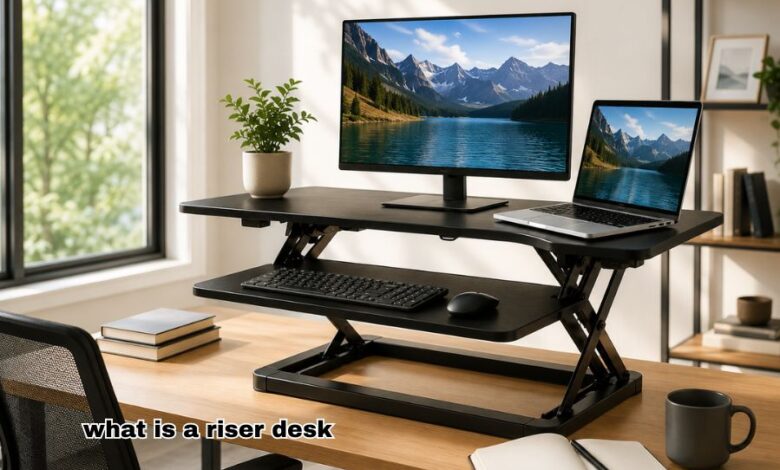
Many people spend long hours sitting at a desk while using a laptop, monitor, keyboard, or writing tools. Over time, this can cause discomfort in the neck, shoulders, back, and wrists. A simple solution for this problem is a riser desk. But many people still ask, what is a riser desk and why is it useful? A riser desk is a practical desk accessory placed on top of a normal desk to raise work items to a better height. It helps users work while sitting or standing without buying a full standing desk. It is popular in offices, home workspaces, study rooms, and creative work areas because it makes daily work more comfortable and flexible.
What Is a Riser Desk?
A riser desk is a raised platform that sits on top of an existing desk. It is designed to lift items such as a laptop, monitor, keyboard, mouse, documents, or other work materials. Some riser desks are simple fixed platforms, while others are adjustable and can move up or down according to the user’s comfort. The main purpose of a riser desk is to bring your screen and work tools to a better level so your body does not stay in an unhealthy position for long hours.
In simple words, a riser desk turns a regular desk into a more flexible workstation. Instead of bending your neck down to look at a laptop or sitting in one position all day, you can adjust your work setup to suit your body. This makes it easier to maintain a better sitting or standing posture. A riser desk is not only for office workers. It is also useful for students, freelancers, designers, gamers, teachers, and anyone who uses a computer for a long time.
How Does a Riser Desk Work?
A riser desk works by creating extra height on your existing desk. You place the riser on the desk, then place your computer, laptop, monitor, keyboard, or other items on top of it. Adjustable riser desks can be lifted or lowered manually, with a lever, spring system, gas lift, or electric mechanism. This allows users to switch between sitting and standing positions during the day.
The best working position is when your screen is close to eye level and your arms rest comfortably while typing. When the screen is too low, you may bend your neck forward. When the keyboard is too high or too low, your wrists and shoulders can feel strain. A desk riser helps solve these small but important problems by improving the height and position of your work tools.
Main Benefits of a Riser Desk
One of the biggest benefits of a riser desk is better posture support. Many people sit with rounded shoulders or a bent neck because their screen is not at the right height. A riser desk helps raise the screen, which encourages a straighter neck and back position. This can reduce discomfort during long working or studying hours.
Another benefit is the option to stand while working. Sitting all day can make the body feel tired, stiff, and inactive. A riser desk allows users to change position without leaving their work. Standing for some part of the day can help the body feel more active and alert. It may also improve focus because movement and position changes can reduce tiredness.
A riser desk can also help create a more organized workspace. Many risers have enough space for a monitor, keyboard, mouse, and small accessories. Some models also include shelves or storage areas. This helps keep the desk clean and makes it easier to work without clutter.
Why Riser Desks Are Popular in Modern Workplaces
Modern work has changed a lot. More people now work from home, study online, attend virtual meetings, and spend many hours in front of screens. Because of this, comfort has become an important part of productivity. A riser desk is popular because it is easier and often cheaper than buying a complete standing desk.
Many people do not have enough space for a large adjustable desk. A riser desk solves this issue because it can be placed on a desk that is already in use. It is also easier to move, adjust, and replace. For small rooms, home offices, shared spaces, and student study areas, a riser desk can be a smart choice.
Companies also use riser desks to support employee comfort. When workers feel physically comfortable, they can focus better on their tasks. A poor desk setup can lead to frequent breaks, body pain, and low concentration. A better workstation can support both health and work performance.
Types of Riser Desks
There are different types of riser desks available, and each type serves a different need. A fixed riser desk has one set height and does not move up or down. It is simple, lightweight, and useful for raising a monitor or laptop. It is usually suitable for people who only need a small height increase.
An adjustable riser desk is more flexible because it can be raised or lowered. This type is useful for people who want to switch between sitting and standing. Some adjustable risers have a separate keyboard tray, which helps keep the monitor and keyboard at comfortable levels.
A laptop riser is smaller and mainly designed for laptops. It raises the laptop screen closer to eye level. However, when using a laptop riser, it is better to use a separate keyboard and mouse for better comfort. There are also large standing desk converters that can hold multiple monitors and work tools.
Who Should Use a Riser Desk?
A riser desk is useful for anyone who spends a lot of time at a desk. Office workers can use it to reduce neck and back strain during long working hours. Students can use it while studying, attending online classes, or writing assignments. Freelancers and remote workers can use it to create a healthier home office setup.
It is also helpful for people who feel uncomfortable sitting all day. If your neck often feels tight, your shoulders feel heavy, or your back feels stiff after using a computer, your desk setup may not be right. A riser desk can help improve your working position and reduce pressure on the body.
However, a riser desk should be used correctly. Standing all day is not the answer either. The best approach is to change positions throughout the day. Sit for some time, stand for some time, and take short breaks. This balanced routine can make work more comfortable.
How to Choose the Right Riser Desk
When choosing a riser desk, the first thing to consider is height. The riser should allow your screen to sit close to eye level. If it is too high or too low, it may still cause discomfort. Adjustable height is usually better because you can change it according to your needs.
The second thing to consider is size. Make sure the riser has enough space for your laptop, monitor, keyboard, and mouse. If you use two monitors, choose a wider riser. If you only use a laptop, a smaller riser may be enough.
You should also check the weight capacity. A strong riser desk should hold your devices safely without shaking. Stability is very important, especially when typing or moving the desk up and down. Material also matters. Wood, metal, and strong plastic are common options. Choose one that matches your workspace and feels durable.
Riser Desk vs Standing Desk
A riser desk and a standing desk are not exactly the same. A standing desk is a full desk that can often be adjusted in height. It replaces your regular desk. A riser desk, on the other hand, sits on top of your existing desk. It gives you some of the benefits of a standing desk without replacing your furniture.
A riser desk is usually more affordable and easier to set up. It is a good option for beginners or people who want to test standing while working. A standing desk may be better for people who need a full adjustable workstation and have more space and budget. Both options can be useful, but the better choice depends on your work style, space, and comfort needs.
Tips for Using a Riser Desk Correctly
To get the best results from a riser desk, place your screen at eye level. Your neck should stay straight, not bent forward or upward. Keep your keyboard and mouse at a height where your elbows stay close to a 90-degree angle. Your wrists should feel relaxed while typing.
Do not stand for too long at once. Start with short standing sessions and slowly increase the time. Wear comfortable shoes or use an anti-fatigue mat if you stand often. Also, remember to move your body during the day. A riser desk is helpful, but it works best when combined with regular movement, stretching, and good posture habits.
Conclusion
So, what is a riser desk? It is a simple but useful workplace accessory that raises your laptop, monitor, keyboard, or other work items to a more comfortable height. It helps improve posture, reduce neck and back strain, and create a healthier work setup. A riser desk is especially helpful for people who spend long hours studying, typing, or working on a computer. It is also a budget-friendly way to enjoy some benefits of a standing desk without replacing your current desk. When chosen and used correctly, a riser desk can make daily work more comfortable, organized, and productive.
(FAQs)
What is a riser desk used for?
A riser desk is used to raise a laptop, monitor, keyboard, or other work items to a better height for sitting or standing work.
Is a riser desk good for posture?
Yes, a riser desk can support better posture by raising the screen closer to eye level and reducing the need to bend the neck.
Can I use a riser desk with a laptop?
Yes, you can use a riser desk with a laptop, but using a separate keyboard and mouse can make the setup more comfortable.
Is a riser desk better than a standing desk?
A riser desk is better for people who want an affordable and space-saving option, while a standing desk is better for a full adjustable workstation.
Who needs a riser desk?
A riser desk is useful for office workers, students, remote workers, freelancers, and anyone who spends long hours working on a computer