Lucy Phelps: A British Actress Known for Strong Theatre Work and Screen Presence

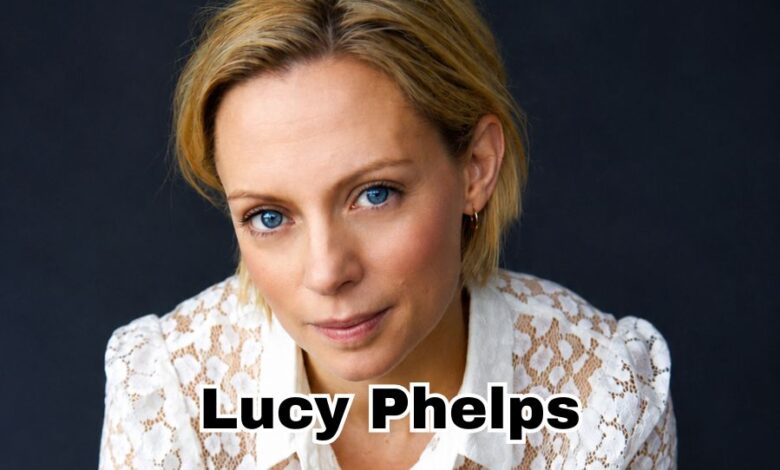
Lucy Phelps is one of those British actresses whose career has grown through real performance work rather than constant publicity. She is mainly known for her theatre background, especially her roles in Shakespearean plays and major stage productions. Her name is familiar to people who follow British theatre, classical drama, and serious acting. What makes her career interesting is the way she has moved between stage and screen while keeping her focus on quality roles.
Unlike many public figures who become known through online attention, Lucy Phelps has built her place through training, discipline, and consistent performances. Her acting journey shows how much effort goes into becoming a respected performer. She has worked in productions that require strong voice control, emotional depth, and a good understanding of language. This article takes a closer look at her career, acting style, theatre work, screen appearances, and why she continues to be noticed in British entertainment.
Early Training and Acting Background
Every strong acting career usually begins with proper training, and Lucy Phelps followed that path. She trained at the London Academy of Music and Dramatic Art, often known as LAMDA. This kind of training gives actors a serious base in stage performance, voice, movement, character work, and text understanding. For someone who later became linked with Shakespeare and classical theatre, this background was very important.
Acting may look simple from the outside, but it takes years of practice to perform naturally in front of an audience. Stage acting is especially demanding because there are no second chances during a live performance. An actor has to stay focused, remember long scenes, respond to other performers, and keep the audience connected from beginning to end. Lucy Phelps’ training helped her build the confidence and technique needed for this kind of work.
Her background also helped her develop flexibility. She did not become limited to one type of role. Instead, she became able to perform in comedy, drama, historical stories, and modern productions. This is one reason her career has remained strong and varied.
Growth in British Theatre
Theatre has been the main part of Lucy Phelps’ career. She has worked with respected British theatre companies and appeared in productions that require great acting skill. Her work with Shakespeare’s Globe and the Royal Shakespeare Company is especially important because both are connected with high-quality classical theatre. These stages are not easy places for any actor. They demand preparation, clear speech, and a deep understanding of the story.
Lucy Phelps has been part of productions such as Much Ado About Nothing, The Tempest, As You Like It, Measure for Measure, Julius Caesar, and Antony and Cleopatra. These plays are very different from each other. Some are full of humour and romance, while others deal with politics, power, justice, and tragedy. Performing in such different plays shows that Lucy Phelps can handle more than one acting style.
Her theatre work also shows her patience as an actress. Stage careers are often built slowly. They depend on rehearsals, teamwork, and the ability to perform with the same energy night after night. Lucy Phelps has shown that she can meet these demands. This is why her name is respected among people who follow British stage acting.
Lucy Phelps and Shakespeare
A major reason Lucy Phelps is admired is her work in Shakespearean drama. Shakespeare’s plays are famous, but they are also difficult to perform well. The language can be complex, and the characters often have many emotional layers. An actor must understand the meaning behind the words and make the audience feel that the story is still alive.
One of her notable roles was Rosalind in As You Like It. Rosalind is one of Shakespeare’s most interesting female characters because she is clever, brave, funny, and emotionally open. The role requires quick dialogue, confidence, and warmth. Playing Rosalind is a big responsibility because the character carries much of the play’s energy. Lucy Phelps’ work in this role showed her ability to lead a classical production with skill and confidence.
Her other Shakespearean work also proves her range. In plays like Measure for Measure and Antony and Cleopatra, the tone is more serious and morally complex. These productions require a different kind of emotional control. Lucy Phelps has shown that she can move between lighter and heavier Shakespearean roles without losing clarity.
Work in Modern and Contemporary Productions
Although many people connect Lucy Phelps with Shakespeare, her career is not only about classical plays. She has also performed in modern and contemporary theatre. This is important because it shows that she can adjust her acting style according to the needs of the story.
Her theatre credits include productions linked with respected venues such as Chichester Festival Theatre, Almeida Theatre, Hampstead Theatre, the Barbican, and the West End. These places are known for different kinds of theatre, from serious drama to commercial productions. Working across such venues shows that Lucy Phelps is not limited to one stage tradition.
She has appeared in productions such as The Other Boleyn Girl, King Charles III, Lay Down Your Cross, Earthquakes in London, and Witness for the Prosecution. Each of these works has a different mood and subject. Some focus on history, some on politics, and others on human conflict. Lucy Phelps’ involvement in these productions shows her ability to adapt to different writing styles and audience expectations.
This variety has helped her career feel balanced. She is not only a Shakespearean actress, but she is also a screen performer. She is a trained actor with experience in many forms of storytelling.
Screen and Television Work
Along with theatre, Lucy Phelps has also appeared on screen. Television and film acting require a different approach from stage acting. On stage, an actor must use voice and movement in a larger way so the whole audience can understand the performance. On screen, the camera catches small details, so the acting often needs to be more controlled and quiet.
Lucy Phelps’ screen work shows that she can make this shift. Her theatre background gives her strong discipline, while screen acting allows her to show more subtle expressions and reactions. This balance is useful in British drama, where many roles depend on emotional detail rather than loud performance.
Her television appearances have also helped more people discover her. Not everyone can attend theatre productions, but television gives actors a wider audience. Even though her strongest reputation remains connected to the stage, her screen work adds another important side to her career.
Acting Style and Strengths
The acting style of Lucy Phelps feels thoughtful, clear, and emotionally grounded. She does not rely on overacting. Instead, her performances often show control and understanding of the character. This is especially useful in classical theatre, where the language itself carries a lot of meaning.
One of her strengths is her ability to make difficult text feel natural. Shakespeare can sound distant if it is performed without understanding, but a skilled actor can make the words feel fresh and human. Lucy Phelps has shown this ability in several stage roles. She pays attention to rhythm, emotion, and the flow of a scene.
Another strength is her range. She can perform comedy, serious drama, historical work, and modern stories. This kind of range is important because it allows an actor to keep growing. It also gives directors more reasons to cast her in different kinds of productions.
Public Image and Private Life
Lucy Phelps keeps her personal life mostly private, and this has shaped her public image in a positive way. She does not appear to chase attention through personal headlines. Instead, most of the public interest around her comes from her acting work.
This kind of privacy is common among many theatre actors. Their careers are based more on performance than celebrity culture. For Lucy Phelps, this has helped create an image of professionalism. Audiences know her because of what she does on stage and screen, not because of unnecessary public drama.
In a time when many entertainers share every detail online, her quieter approach feels different. It allows people to focus on her talent, training, and career achievements. That is also why writing about her should stay focused on verified work and professional contributions.
Why Lucy Phelps Stands Out
Lucy Phelps stands out because she represents a serious and steady kind of acting career. She has not become known through one viral moment or a short wave of fame. Instead, she has built her career through repeated work in respected productions. That kind of journey takes patience and real commitment.
Her theatre background gives her strong credibility, especially among audiences who value stage acting. At the same time, her screen work shows that she can reach viewers in different ways. This combination makes her an interesting performer in modern British entertainment.
She also stands out because of her connection with classical theatre. Shakespearean roles are still seen as a major test for actors, and Lucy Phelps has taken on several of them with confidence. Her career proves that traditional acting skills still matter, even in a media world that changes quickly.
Future Career Possibilities
The future looks open for Lucy Phelps because her experience gives her many options. She can continue working in classical theatre, take on more contemporary stage roles, appear in television dramas, or move further into film. Her range makes her suitable for many types of characters.
Actors with strong theatre backgrounds often have long careers because they understand the basics of performance deeply. Lucy Phelps has already shown that she can handle demanding material, work with major companies, and adapt to different formats. These qualities can support her future growth.
As more audiences discover her through theatre and screen, her name may become even more recognised. Whether she appears in another Shakespeare production, a television drama, or a new stage project, Lucy Phelps has the skills to continue building a respected career.
Conclusion
Lucy Phelps has built her acting career through hard work, strong training, and serious performance choices. Her work in British theatre, especially in Shakespearean productions, shows her command of language, emotion, and character. She has also appeared in modern theatre and screen projects, proving that she is not limited to one type of role.
What makes Lucy Phelps interesting is her steady and professional journey. She has not relied on constant publicity. Instead, she has earned attention through her craft. Her career is a good example of how an actor can grow through discipline, patience, and meaningful roles.
For theatre lovers and viewers of British drama, Lucy Phelps remains a talented actress worth following. Her work reflects the strength of British acting traditions while also showing her ability to adapt to modern storytelling.
(FAQs)
Who is Lucy Phelps?
Lucy Phelps is a British actress known for her work in theatre, television, and film. She is especially recognised for her performances in Shakespearean and classical stage productions.
What is Lucy Phelps famous for?
Lucy Phelps is famous for her theatre work, especially in plays such as As You Like It, Measure for Measure, Much Ado About Nothing, and The Tempest.
Did Lucy Phelps study acting?
Yes, Lucy Phelps trained at LAMDA, the London Academy of Music and Dramatic Art, where she developed skills in voice, movement, text, and stage performance.
Has Lucy Phelps worked on television?
Yes, Lucy Phelps has appeared in screen and television projects. Her screen work shows her ability to move from live theatre to camera-based acting.
Why is Lucy Phelps respected?
Lucy Phelps is respected because of her strong theatre background, Shakespearean roles, professional training, and ability to perform in both classical and modern productions.