How Do Braces Help Fix Bite Problems and Improve Oral Health?

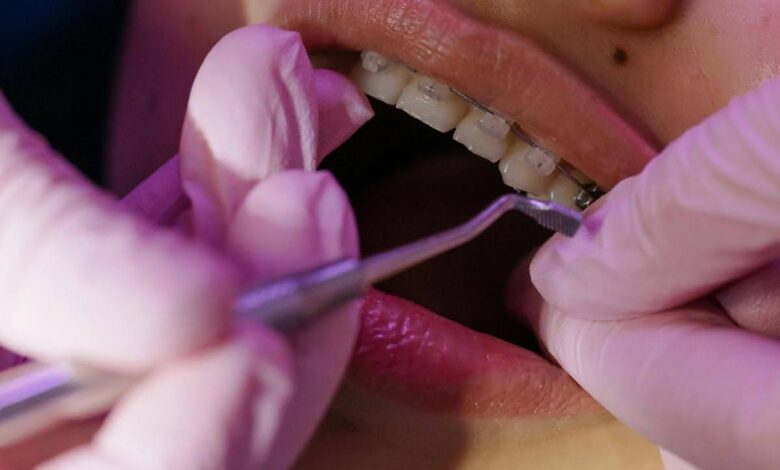
Many people believe crooked teeth are only a cosmetic concern, but bite problems can affect everyday life in several ways. A poor bite may make it difficult to chew food properly, speak clearly, or even smile with confidence. Some people also experience jaw discomfort, headaches, or uneven tooth wear because their teeth do not fit together correctly. In cities like Delhi, where awareness about dental care is growing, more people are visiting orthodontists to understand how bite correction can improve oral health.
This is where braces play an important role. Braces slowly move the teeth into better positions and improve the way the upper and lower jaws work together. Over time, this treatment can help improve chewing, speech, comfort, and dental hygiene. At Dental, many patients learn that orthodontic treatment is about more than straight teeth. It also supports healthier gums, stronger teeth, and better long-term oral health.
What Are Bite Problems?
A bite problem happens when the upper and lower teeth do not align properly when the mouth closes. Dentists often refer to this condition as malocclusion. Bite issues can develop because of genetics, thumb sucking during childhood, early tooth loss, injuries, or jaw growth differences.
Some bite problems are mild and may not seem serious at first. However, untreated alignment issues can lead to pain, difficulty eating, and dental damage over time. Many teenagers and adults in Zirakpur and nearby areas now seek orthodontic treatment early to avoid future complications.
Common Types of Bite Issues
There are several kinds of bite problems that orthodontists commonly treat using braces.
An overbite occurs when the upper front teeth extend too far over the lower teeth. A small overbite is normal, but a deep overbite can place extra pressure on teeth and jaw joints.
An underbite happens when the lower teeth sit in front of the upper teeth. This can affect facial balance and make chewing more difficult.
A crossbite develops when some upper teeth fit behind the lower teeth while biting down. This condition may lead to uneven tooth wear and gum irritation.
An open bite occurs when the front teeth do not touch after the mouth closes. This can make biting foods like sandwiches or fruits harder and may also affect speech.
Crowded teeth happen when there is not enough room in the mouth for teeth to grow properly. Teeth may overlap, twist, or become difficult to clean.
Signs That You May Have a Bite Problem
Some people notice bite problems easily, while others may only discover them during a dental visit. Common signs include jaw pain, difficulty chewing, frequent cheek biting, crowded teeth, speech issues, uneven tooth wear, and mouth breathing.
Dentists may use X-rays, digital scans, and dental impressions to study the bite carefully. In many dental clinics across Delhi, orthodontists now use modern imaging tools to create detailed treatment plans for patients with bite concerns.
How Do Braces Work?
Braces use gentle and steady pressure to move teeth into healthier positions over time. The treatment usually includes small brackets attached to the teeth and wires that guide the movement of the teeth gradually.
Teeth are supported by bone and surrounding tissues. When pressure is applied through orthodontic treatment, the bone around the teeth slowly changes shape. This process allows teeth to move safely without harming the gums or jawbone.
Gentle Pressure That Moves Teeth
Orthodontists adjust the wires during regular appointments to continue the movement of the teeth. These adjustments are planned carefully to help teeth shift in the correct direction. Some patients may feel mild soreness after an adjustment, but this usually improves within a few days.
In some cases, rubber bands or additional appliances are used along with braces to improve jaw alignment. These tools help guide the upper and lower teeth into a healthier bite position, supporting more effective and comfortable treatment with braces in Delhi.
How Jaw Alignment Improves Over Time
As the teeth begin to move, the jaws also start working together more smoothly. This improves chewing, speaking, and overall comfort. Proper jaw alignment can also reduce pressure on certain teeth and help prevent long-term wear.
The treatment time depends on the severity of the bite issue. Some patients wear braces for one to two years, while others may need treatment for a longer period. Many teenagers start orthodontic care early because younger teeth and jaws often respond more quickly to treatment.
How Braces Fix Different Bite Problems
Different bite problems require different treatment methods. Orthodontists study each patient’s teeth and jaw structure carefully before creating a treatment plan.
Overbite
For people with an overbite, braces help move the upper teeth backward and guide the lower teeth into a better position. Orthodontists may also use rubber bands to improve how the teeth fit together.
Correcting an overbite can reduce stress on the jaw and help protect teeth from excessive wear.
Underbite
An underbite often requires a combination of orthodontic tools. In younger patients, early treatment may help guide jaw growth properly. Severe cases may sometimes require surgery along with orthodontic care.
Fixing an underbite can improve speech clarity, facial appearance, and chewing ability.
Crossbite
A crossbite may place uneven pressure on certain teeth and gums. Braces gradually move the teeth into the correct alignment and help reduce damage caused by uneven biting forces.
Many patients notice improved comfort and better jaw movement after treatment for a crossbite.
Open Bite
Patients with an open bite often struggle to bite foods properly because their front teeth do not meet. Braces help close this gap and improve the ability to chew food comfortably.
This treatment can also improve speech by helping the tongue and teeth work together more effectively.
Crowded Teeth and Spacing Issues
Crowded teeth create tight spaces where food and plaque can collect easily. This makes brushing and flossing more difficult. By straightening the teeth, braces create better spacing and improve oral hygiene.
Some patients may need tooth extraction to create enough room for proper alignment. Orthodontists carefully study the mouth before making this decision.
How Braces Improve Oral Health
Straight teeth are easier to clean and maintain. Orthodontic treatment can lower the risk of cavities, gum disease, and tooth damage in the future.
Easier Cleaning
When teeth overlap, toothbrushes and floss may not reach every area properly. Food particles and plaque can collect in hidden spaces between teeth.
After treatment with braces, many patients find it easier to clean their teeth thoroughly. Better cleaning habits help lower the risk of cavities and gum infections.
Lower Risk of Tooth Damage
Poor bite alignment can place too much pressure on certain teeth. Over time, this pressure may cause chipped teeth, worn enamel, or small cracks.
By improving bite balance, braces help spread pressure evenly across the mouth. This protects teeth from unnecessary stress.
Better Gum Health
Crooked teeth may irritate the gums and make inflammation worse. When teeth are aligned correctly, the gums fit around them more naturally.
Healthy gums are important because they support the teeth and help prevent periodontal disease later in life.
Improved Speech and Chewing
Some bite problems affect speech and make chewing uncomfortable. Patients with severe crowding or open bites may struggle to pronounce certain words clearly.
After orthodontic treatment, many people notice smoother chewing and clearer speech. This can improve comfort and confidence during everyday conversations.
What to Expect During Treatment
Orthodontic treatment requires patience and regular care. Understanding the process can make patients feel more comfortable during treatment.
Regular Checkups
Patients usually visit the orthodontist every few weeks for adjustments and progress checks. These appointments help monitor tooth movement and allow the orthodontist to make necessary changes.
Regular visits are important because missing appointments may slow the treatment process.
Oral Care Tips During Treatment
Good oral hygiene is very important while wearing braces because food can become trapped around brackets and wires. Patients are usually advised to brush carefully after meals and clean between the teeth properly.
Orthodontists may also recommend avoiding sticky or hard foods because they can damage the brackets or wires. Wearing retainers after treatment is equally important because retainers help keep the teeth in their new positions.
Conclusion
Bite problems can affect much more than appearance. They may cause jaw discomfort, speech issues, chewing problems, and difficulty cleaning the teeth properly. Braces help correct these problems by improving tooth alignment and creating a healthier bite.
From fixing overbites and crossbites to improving crowded teeth, braces support better oral health in many ways. They can help reduce tooth damage, improve gum health, and make everyday activities like speaking and eating more comfortable.
Early dental checkups can help identify bite problems before they become more serious. With proper orthodontic care and regular dental visits, patients can enjoy healthier teeth, stronger gums, and a more confident smile for years to come.